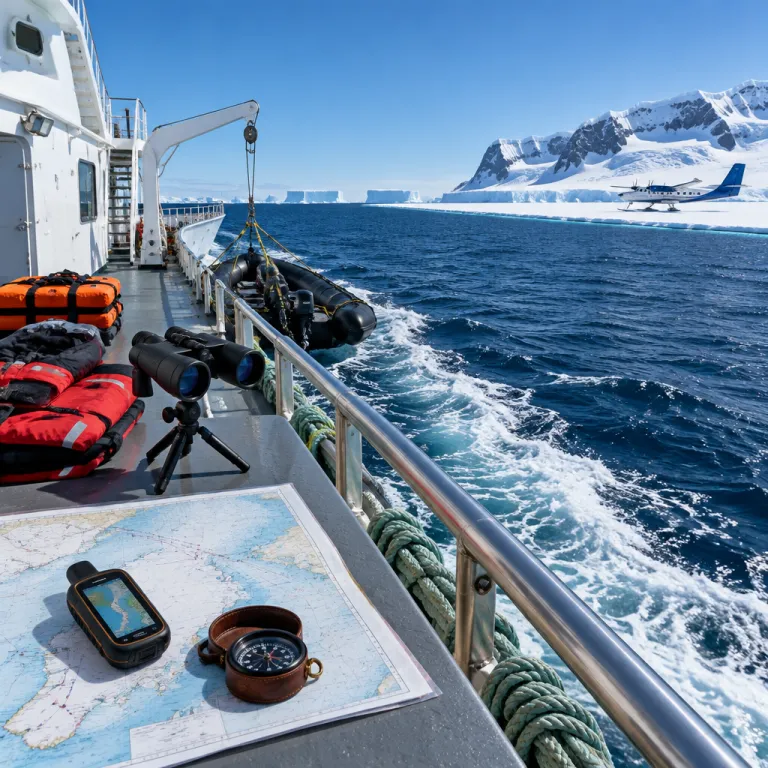
Understanding how to get to Antarctica from the south of the world
Most travelers asking how to get to Antarctica are really asking where in the south of the world they should start their journey. The classic gateway is Ushuaia in the far south of Argentina, where the majority of Antarctica cruise departures begin and where the atmosphere of expedition travel fills the port. From this small city at the tip of South America, you will board a polar ship and sail south across the Drake Passage toward the Antarctic Peninsula and the wider white continent.
Reaching Ushuaia Argentina usually involves long haul flights to Buenos Aires, followed by a domestic flight of around three and a half hours to the south. Some travelers instead route through Punta Arenas in the Magallanes region of southern Chile, especially if they plan to fly Antarctica on an air cruise that skips the Drake Passage entirely. Whether you choose Ushuaia or Punta Arenas, you will typically spend at least one or two days in the gateway city before your trip to allow for flight delays and to adjust to the pace of polar travel; many operators such as Quark Expeditions or Hurtigruten Svalbard even recommend arriving two nights early.
There are other southern gateways to Antarctica, though they serve fewer cruises and expeditions. From Cape Town in South Africa, a small number of specialist operators fly to blue ice runways in the interior and then continue by smaller aircraft toward the South Pole or to remote field camps on the Antarctic Plateau. A handful of expedition cruises also include the Falkland Islands and South Georgia on longer itineraries that start in South America and then sweep east across the South Atlantic toward the Antarctic Peninsula, sometimes marketed as “Falklands, South Georgia and Antarctic Peninsula” grand voyages.
Choosing between ship voyages and fly Antarctica options
Once you know how to get to Antarctica geographically, the next decision is whether to sail the whole way by ship or to fly part of the route. Traditional Antarctica cruise itineraries depart by ship from Ushuaia and spend around two days each way crossing the Drake Passage before reaching the first icebergs of the Antarctic Peninsula. These classic Antarctic cruise routes remain the most affordable way to visit Antarctica and offer a strong sense of journey as you move from the green slopes of South America to the stark white continent.
Travelers who are short on time or nervous about rough seas often choose a fly cruise or full air cruise instead. On these hybrid fly Antarctica itineraries, you will take a flight from Punta Arenas to King George Island in the South Shetlands, then board your ship already within the Antarctic region and begin cruising the peninsula without sailing the Drake Passage. For a deeper look at how changing ice conditions affect these routes, you can read about hidden channels beneath the ice shelf and faster melting in Antarctica, which increasingly shapes when and where ships and flights can safely operate.
A smaller group of travelers chooses pure flight based expeditions that never involve a cruise ship at all. These programs usually operate from Punta Arenas or South Africa and use ski equipped aircraft to land on prepared ice runways in the interior of Antarctica, sometimes continuing by smaller plane to the geographic South Pole. Such expeditions are expensive and weather dependent, but they offer a very different perspective on the Antarctic environment compared with coastal cruises around the Antarctic Peninsula. As one expedition leader put it, “Flying into the interior feels like stepping onto another planet, even for guides who have spent years at sea,” recalling a landing where the only sounds were the wind and the crunch of boots on dry snow.
What to expect on an Antarctica cruise or air cruise itinerary
Understanding how to get to Antarctica also means understanding what your days will look like once you are underway. On a classic Antarctica cruise from Ushuaia, you will spend the first two days at sea crossing the Drake Passage, attending briefings about Antarctic wildlife and safety, and watching albatrosses follow the ship. After that, most itineraries spend four to seven days exploring the Antarctic Peninsula, with two or three landings or Zodiac cruises each day when weather and ice allow.
Fly cruise and air cruise itineraries compress the same Antarctic Peninsula highlights into fewer days by removing the long sea crossing. You will usually fly from Punta Arenas to King George Island, walk across the airstrip to your waiting ship, and begin your Antarctic cruise program almost immediately. For travelers who want to maximize their time in Antarctica itself and minimize transit, the growth of these fly Antarctica options has been significant, as shown by the expansion of new Antarctic fly cruise departures for Drake free travelers.
Longer expeditions that include the Falkland Islands and South Georgia add extra days at sea but reward you with some of the richest wildlife encounters on Earth. You might spend two or three days among the cliffs and penguin colonies of the Falkland Islands, then four or five days in South Georgia among vast king penguin rookeries before continuing to the Antarctic Peninsula. These extended cruises require more time and budget, yet they offer a more complete sense of the wider Antarctic and subantarctic ecosystem that surrounds the white continent, and they are often chosen by photographers or repeat visitors who want a deeper immersion.
Planning time, budget and logistics for an Antarctic expedition
Anyone researching how to get to Antarctica needs a realistic sense of time and cost. A standard trip from Ushuaia to the Antarctic Peninsula usually lasts ten to twelve days, including roughly four days at sea crossing the Drake Passage in both directions and six to eight days exploring Antarctica itself. Fly cruise itineraries that use a flight between Punta Arenas and King George Island often last seven or eight days, while complex expeditions including South Georgia and the Falkland Islands can extend to three weeks or more.
Budget varies widely depending on cabin type, ship size and whether you choose a cruise, a fly cruise or a full air cruise. Entry level berths on larger ships sailing from Ushuaia Argentina are generally the most economical way to visit Antarctica, sometimes starting around the mid four figures in US dollars, while small ship luxury cruises and interior flights to the South Pole or remote Antarctic camps command premium prices that can reach tens of thousands per person. When planning, you will also need to factor in the cost of international flights to Buenos Aires or South Africa, domestic flights to Ushuaia or Punta Arenas, and at least one or two hotel nights on each end of your trip.
Logistics extend beyond money and days on the calendar. You must allow buffer time in Buenos Aires, Santiago or other hubs in South America in case of delayed flights, and you should be prepared for weather related changes once you are in the Antarctic. Operators build flexibility into their itineraries because sea ice, wind and visibility can alter landing plans at short notice, which is part of the reality of expedition travel in Antarctica and the wider Antarctic Peninsula region; many travelers return saying that embracing this uncertainty was part of the adventure.
Environmental considerations when you visit Antarctica by ship or flight
Understanding how to get to Antarctica responsibly is as important as choosing the right ship or flight. All reputable Antarctica cruise and Antarctic cruise operators follow the guidelines of the International Association of Antarctica Tour Operators (IAATO), which limits the number of people ashore at any one time and regulates wildlife distances. Ships that visit Antarctica must meet strict standards for fuel, waste management and emergency preparedness, especially when operating in the fragile waters of the Antarctic Peninsula and around King George Island.
Fly Antarctica and air cruise programs reduce time at sea but introduce different environmental questions related to aviation emissions and the impact of maintaining ice runways. Many operators now offset emissions, invest in cleaner technologies and support scientific research stations on the white continent, particularly around King George Island and other key logistics hubs. Travelers can support these efforts by choosing modern ships with efficient engines, respecting all landing protocols and learning about the changing Antarctic climate through reputable reporting such as the analysis of ice shelf melting that is reshaping parts of the peninsula.
Longer itineraries that include South Georgia and the Falkland Islands also highlight the broader Southern Ocean ecosystem that supports Antarctic wildlife. Visiting these islands by cruise ship allows you to see how albatrosses, seals and penguins depend on healthy krill stocks and cold currents that flow around South America and toward the south polar regions. By understanding these connections, you will return from your trip with a deeper appreciation of why strict environmental rules govern every visit to Antarctica, whether you arrive by ship, by cruise and flight combination or by specialist aircraft from South Africa.
Advanced routes, future seasons and evolving Antarctic access
Once you grasp the basics of how to get to Antarctica, you may start to look at more advanced routes and future seasons. Some expedition cruises now combine the Antarctic Peninsula with remote corners of the subantarctic, or even with exploratory voyages in the Arctic during the opposite polar season. Operators are opening new itineraries that link the south polar regions with the Northwest Passage and other high latitude routes, as highlighted in this overview of seventy new polar departures and evolving expedition seasons.
These developments matter because they influence ship availability, pricing and the variety of Antarctica cruise options on the market. As more travelers seek to visit Antarctica, operators are investing in new polar class ships with advanced stabilizers for the Drake Passage and better ice capabilities for the fringes of the Antarctic Peninsula. At the same time, the growth of fly cruise and air cruise programs from Punta Arenas and other hubs is reshaping how many people choose to reach the white continent each season.
Future access will also depend on how environmental regulations evolve in response to scientific data from Antarctica and the Southern Ocean. Research stations on King George Island, the Antarctic Peninsula and the interior continue to monitor ice loss, wildlife populations and ocean temperatures, and their findings may lead to tighter controls on where and when ships and flights can operate. Travelers who plan their trip with reputable operators, stay informed about these changes and remain flexible with routes and dates will be best placed to experience Antarctica in a way that respects both the environment and the spirit of polar exploration.
Key statistics about Antarctic travel and access
- The International Association of Antarctica Tour Operators (IAATO) reported that just under 75 000 people visited Antarctica in the most recent pre pandemic season (2019–2020), with around 90 percent arriving by ship based cruise from South America.
- Fly cruise and air cruise programs still represent a minority of Antarctic trips, but their share has grown to more than 10 percent of visitors, reflecting demand from travelers who want to avoid the Drake Passage.
- Typical voyages from Ushuaia to the Antarctic Peninsula cover roughly 1 000 kilometres each way, with about two days at sea in each direction depending on weather and sea conditions.
- Longer expeditions that include the Falkland Islands and South Georgia can last 18 to 23 days, adding more than 3 000 kilometres of sailing through the South Atlantic and Southern Ocean.
- Most Antarctic gateway cities such as Ushuaia and Punta Arenas sit at latitudes around 54 to 55 degrees south, while the Antarctic Circle lies at approximately 66 degrees south, illustrating the significant distance ships and flights must cover to reach the white continent.
FAQ about how to get to Antarctica
What is the most common way to get to Antarctica ?
The most common way to reach Antarctica is by expedition cruise ship from Ushuaia in southern Argentina, sailing across the Drake Passage to the Antarctic Peninsula over about two days at sea in each direction. This route offers the widest choice of ships, dates and price points for travelers.
Can you fly directly to Antarctica from South America ?
You cannot take regular commercial flights directly to Antarctica, but specialist operators run charter flights from Punta Arenas in Chile to King George Island in the South Shetlands. These flights are usually part of a fly cruise or air cruise package that combines the flight with an Antarctic Peninsula voyage.
How long does a typical Antarctica trip last ?
A standard Antarctica cruise from Ushuaia to the Antarctic Peninsula usually lasts around ten to twelve days, including four days crossing the Drake Passage and six to eight days exploring the region. Fly cruise itineraries that use flights between Punta Arenas and King George Island often last seven or eight days in total.
Is it possible to visit the South Pole as a tourist ?
It is possible to visit the geographic South Pole as a tourist, but only through highly specialized expeditions that use ski equipped aircraft from hubs such as Punta Arenas or South Africa. These trips are expensive, weather dependent and limited to small groups, so they are very different from standard Antarctic Peninsula cruises.
When is the best time to visit Antarctica ?
The best time to visit Antarctica is during the austral summer from late spring to early autumn in the Southern Hemisphere, when sea ice retreats and conditions allow ships and flights to operate. Early season offers dramatic ice and snow, mid season brings peak wildlife activity and late season can feature more whales and softer light.
Trusted sources for further reading include the International Association of Antarctica Tour Operators (IAATO), the British Antarctic Survey and the National Science Foundation’s United States Antarctic Program.