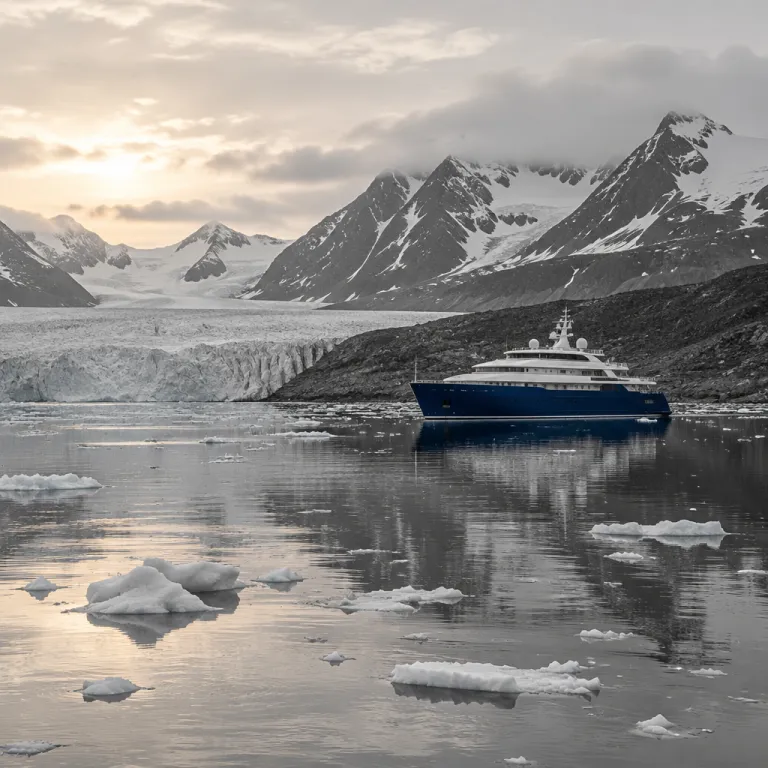
Tours to Spitsbergen: how to choose a small-ship Svalbard cruise
Why refined tours to Spitsbergen belong on your Arctic shortlist
Spitsbergen sits at the heart of Svalbard and offers one of the most accessible gateways into the high Arctic. This Norwegian island group lies between mainland Norway and the North Pole, wrapped by the Arctic Ocean and sculpted by sea ice and glaciers. Any carefully planned trip here becomes a rare chance to step into true wilderness while still benefiting from reliable logistics, professional guidance and clear regulations from the Governor of Svalbard.
Most travellers begin their travel in Longyearbyen, the small capital of the Svalbard archipelago and the operational hub for tours to Spitsbergen. From this compact town, you board a ship or small ship for an expedition cruise that threads between fjords, sea ice and drifting pack ice. Over several days, you move steadily away from the last road and into a realm where polar bears, walrus and other Arctic wildlife set the rhythm of each day.
Thoughtful tours to Spitsbergen balance comfort and authenticity, using ice-strengthened vessels designed for polar navigation. A typical expedition will last from 7 to 12 days, with prices usually quoted in USD and tiered by cabin category and season. Whether you choose a classic Svalbard cruise or a more specialised Svalbard odyssey, the focus remains on flexible routing, expert interpretation and maximising wildlife viewing opportunities.
Choosing the right style of Spitsbergen expedition for your travel goals
When comparing tours to Spitsbergen, start by deciding how active and immersive you want your trip to be. Some expedition cruise itineraries emphasise Zodiac cruising and gentle shore walks, while others prioritise longer hikes, kayaking or even ski touring in the polar spring. Matching the style of expedition to your expectations will shape how you experience both the wilderness and the wildlife.
Small ship voyages, often carrying fewer than 150 guests, offer the most agile approach to the Svalbard archipelago. With a compact group size, the expedition team can adjust landing plans in real time, following leads in the pack ice or shifting course when sea ice closes a fjord. If you are planning an advanced Svalbard expedition, resources such as this guide to building your own Arctic travel pipeline on planning complex Svalbard logistics help you understand how operators design these flexible routes.
Ships like Sylvia Earle and Greg Mortimer, purpose-built for polar navigation, have reshaped what modern tours to Spitsbergen can offer. Their X-BOW hulls, a design promoted by Ulstein Group and now widely adopted in the expedition cruise sector, cut more smoothly through the Arctic Ocean, reducing motion and noise, which benefits both guests and nearby Arctic wildlife. On board, lecture theatres, science centres and observation lounges turn sea days into rich learning experiences rather than simple transit time between landings. As one expedition leader put it during a late-season voyage, “The ship becomes your floating field station, not just a hotel between landings.”
Key routes: from classic Spitsbergen circuits to Jan Mayen extensions
Classic tours to Spitsbergen usually focus on the western and northern coasts of the island, where sea ice conditions often allow a semi-circumnavigation. These trips explore deep fjords, glacier fronts and wildlife-rich bays, with Longyearbyen serving as both embarkation and disembarkation port. Over 9 to 11 days, you gain a broad overview of what Svalbard offers, from historic trapping sites to modern scientific stations.
More ambitious itineraries extend beyond Spitsbergen Svalbard towards remote Jan Mayen, a volcanic island rising steeply from the Arctic Ocean. These longer trips often combine a Svalbard cruise with segments along the coast of Greenland or Iceland, creating a multi-region Arctic expedition. For travellers comparing peak season departures, curated overviews such as this analysis of defining Svalbard, Greenland and Iceland sailings on key Arctic departures can clarify which route best matches your priorities.
Some itineraries market themselves explicitly as a Svalbard odyssey, signalling a slower pace and deeper exploration of the Svalbard archipelago. These voyages may include extra days in the high Arctic, pushing further into the pack ice in search of polar bears and other Arctic wildlife. A sample 9-day Svalbard odyssey might include embarkation in Longyearbyen, two days exploring Isfjorden, three days along the north-west coast and pack ice edge, a day in the Hinlopen Strait and a final day in southern Spitsbergen before disembarkation. Travellers often recall a single moment from these longer routes, such as drifting in silence beside a blue-tinged glacier while kittiwakes circle overhead and the only sound is ice cracking beside the hull.
Wildlife, sea ice and the changing rhythm of the polar seasons
Wildlife viewing is the central promise of most tours to Spitsbergen, yet it always unfolds on nature’s terms. The presence and movement of sea ice and pack ice shape where ships can travel and where animals choose to hunt or rest. Operators build flexibility into each expedition cruise, allowing the captain and expedition leader to adjust the route daily in response to changing conditions.
Polar bears remain the emblematic species of Svalbard, and responsible guides treat every polar bear encounter with strict safety and ethical protocols. From the deck of a small ship or a Zodiac, you may watch a bear patrolling the sea ice edge, scanning for seals hauled out on floes. Other highlights of Arctic wildlife include walrus hauled out on low beaches, bearded seals resting on ice pans, and tens of thousands of nesting seabirds swirling above cliffs.
The timing of your trip strongly influences what you will enjoy and photograph during your travel. Early season tours to Spitsbergen often feature more extensive sea ice, which can increase chances of polar bear sightings but may limit landings. Late season voyages, especially in autumn, trade some ice for the possibility of northern lights displays arching above the ship during long polar nights.
Life on board: what to expect from a modern Svalbard cruise
Daily life on board during tours to Spitsbergen follows a rhythm shaped by light, weather and wildlife. Mornings often begin with a wake-up call announcing conditions outside, followed by a briefing on the day’s planned landings or Zodiac cruises. Throughout the day, the expedition team delivers short talks on Svalbard history, polar science and Arctic wildlife, deepening your understanding of each landing site.
On ships such as Sylvia Earle and Greg Mortimer, public spaces are designed to keep you connected to the surrounding wilderness. Floor-to-ceiling windows in lounges and dining rooms frame the sea and sea ice, while outer decks provide sheltered vantage points for wildlife viewing. When the bridge is open, spending time there offers a fascinating view of navigation decisions as the ship threads between floes and along glacier fronts.
Financial planning for a Svalbard cruise usually starts with the base fare, quoted in USD and varying by cabin category, ship and number of days. To compare trips accurately, examine what each fare includes, from charter flights to Longyearbyen to gear rental and gratuities. A typical day on board might include breakfast and a morning landing, lunch back on the ship, an afternoon Zodiac cruise or hike, followed by recap, dinner and optional evening lectures or northern lights watching when conditions allow.
Planning timelines, safety standards and how to read “view details” pages
Serious tours to Spitsbergen require early planning, especially if you prefer a specific ship, cabin type or departure window. Booking 12 to 18 months ahead is common for peak season trips, while shoulder season departures sometimes offer more flexibility. When comparing options, do not rely solely on headline prices or glossy images; instead, read each itinerary’s “view details” section carefully.
Those “view details” pages reveal crucial information about safety standards, staffing ratios and time spent off the ship. Look for clear explanations of polar bear safety protocols, Zodiac operations and contingency plans if sea ice blocks the intended route. Operators with strong Arctic experience will explain how they balance guest expectations with the realities of the polar environment, rather than promising fixed landings in a region where conditions change daily.
Responsible travel in Svalbard also means understanding the regulatory framework that governs the Svalbard archipelago and the wider Arctic Ocean. Norway enforces strict environmental rules through agencies such as the Governor of Svalbard and the Norwegian Environment Agency, and reputable companies design their expedition cruise operations to meet or exceed these requirements. When you see transparent information about emissions, waste management and guidelines for approaching wildlife, you can book your trip with greater confidence that your presence supports, rather than harms, this fragile wilderness.
Beyond Spitsbergen: connecting Svalbard to wider polar journeys
For some travellers, tours to Spitsbergen become the starting point for a broader polar travel portfolio. After experiencing the Svalbard archipelago, many guests look towards the Antarctic Peninsula, the Weddell Sea or even more remote sectors of the Arctic Ocean. Understanding how pack ice shapes landings in both hemispheres is essential, and resources such as this analysis of where pack ice decides whether you land on Weddell Sea expedition planning provide valuable context.
Ambitious itineraries sometimes market themselves as stepping stones towards the geographic North Pole, even if they do not actually reach 90° north. A carefully chosen Svalbard odyssey can serve as a realistic first step, allowing you to test your comfort with remote travel, long days at sea and the unpredictability of sea ice. Over time, you may build a sequence of trips that includes Svalbard cruise experiences, Greenland’s east coast and perhaps a voyage that approaches the North Pole via the high Arctic.
Whether you travel once or return for multiple trips, the combination of wilderness, wildlife and high-latitude light leaves a lasting impression. Tours to Spitsbergen offer a rare blend of accessibility and remoteness, with Longyearbyen providing a practical base and the surrounding sea delivering genuine expedition conditions. By choosing a small ship, reading each “view details” section closely and aligning your expectations with the realities of polar travel, you give yourself the best chance to enjoy a safe, enriching and ethically grounded Arctic journey.
Key figures for tours to Spitsbergen and Svalbard travel
- Passenger numbers on most small ship tours to Spitsbergen range from about 70 to 150 guests, which allows multiple daily landings while staying within Svalbard’s site-specific visitor limits (Governor of Svalbard guidelines and AECO field protocols, last updated in the early 2020s).
- Typical Svalbard cruise itineraries last between 7 and 12 days, with longer Svalbard odyssey routes extending to around 14 days when combined with Jan Mayen or Greenland segments (operator brochures and published schedules from major polar cruise companies).
- Base fares for mainstream expedition cruise trips around Spitsbergen usually start near USD 6,000 to 7,000 per person in shared cabins, rising significantly for suites and specialist departures focused on photography or science (price ranges compiled from leading expedition operators and recent season catalogues).
- More than half of Svalbard’s land area and large parts of its surrounding sea are protected as national parks and nature reserves, creating one of the largest continuous Arctic wilderness regions under formal conservation (Norwegian environmental authorities and the Svalbard Environmental Protection Act).
- Estimates suggest that several thousand polar bears inhabit the Barents Sea population, which includes Svalbard and the adjacent Arctic Ocean, and strict regulations govern all polar bear interactions during tourism activities (Norwegian Polar Institute assessments and Governor of Svalbard safety rules, based on the latest publicly available summaries).
FAQ about tours to Spitsbergen and Svalbard expeditions
What is the best time of year for tours to Spitsbergen?
The main season for tours to Spitsbergen runs from late spring to early autumn, with each period offering distinct conditions. Early season brings extensive sea ice and strong chances of polar bear sightings, while mid-season offers milder temperatures and more open water for Zodiac cruising. Late season can feature darker nights and a higher chance of seeing the northern lights from the ship.
How much does a typical Svalbard cruise cost in USD?
Prices for a standard Svalbard cruise usually start around USD 6,000 to 7,000 per person in a shared cabin on a small ship. Premium ships, longer itineraries and specialist themes such as photography or science can push costs well above USD 10,000. Always check what is included in the fare, such as charter flights to Longyearbyen, gear rental and gratuities, to compare trips accurately.
Will I definitely see polar bears on an expedition cruise around Spitsbergen?
No operator can guarantee polar bear sightings on tours to Spitsbergen, because wildlife viewing always depends on sea ice, weather and animal behaviour. That said, the Svalbard archipelago lies within an important polar bear range, and many expeditions do record multiple sightings from the ship or Zodiacs. Choosing itineraries that spend more time near the pack ice edge generally increases your chances, but ethical operators will never chase or disturb bears for closer views.
Do I need previous expedition experience to join a Svalbard odyssey?
Most tours to Spitsbergen are designed for travellers without prior polar experience, provided you have a reasonable level of mobility and can manage ship staircases and Zodiac transfers. Expedition teams give detailed briefings and provide support during landings, offering options from gentle walks to more demanding hikes. If you are unsure, discuss your fitness and expectations with the operator before booking, and review the “view details” section for each itinerary.
How environmentally responsible are modern tours to Spitsbergen?
Reputable operators in Svalbard follow strict Norwegian regulations on emissions, waste and wildlife disturbance, and many go beyond the minimum requirements. Membership in organisations such as AECO (Association of Arctic Expedition Cruise Operators) signals a commitment to best practice guidelines for Arctic travel. When evaluating trips, look for transparent information on fuel type, waste management, landing protocols and how the company supports conservation and local communities in Longyearbyen and the wider Svalbard archipelago.