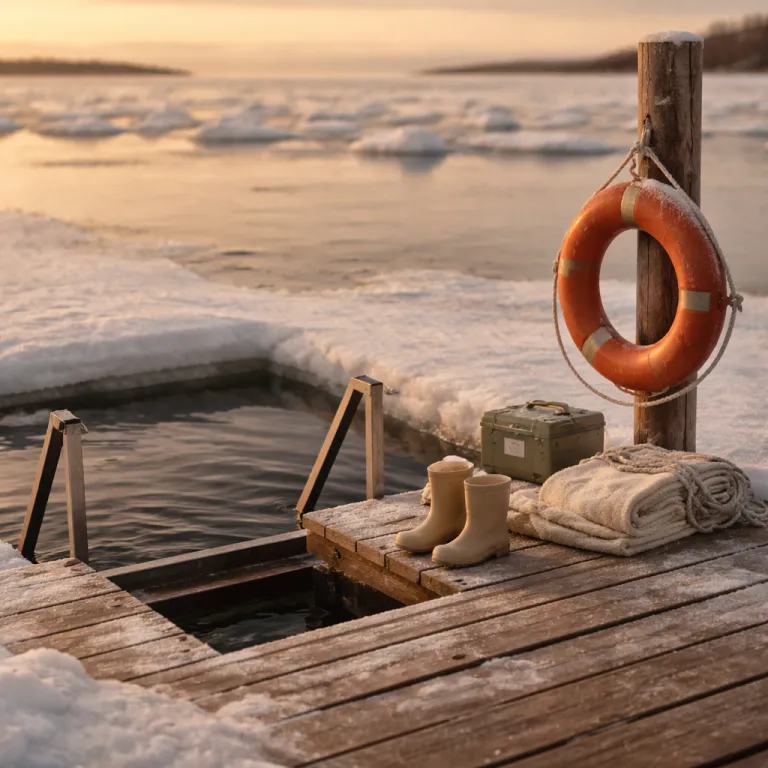
Why the polar plunge with children has become the defining family moment
On an Antarctica family expedition, the polar plunge with kids is rarely about bravado. It becomes the moment when the whole family steps to the edge of the ship together, weighs the cold water against the story they will tell for decades, and decides whether to jump. For many parents, that shared decision is more powerful than any penguin colony or iceberg sail past on the wider Antarctic voyage.
Operators now understand that families travel with a different emotional calculus, especially when children are involved in something as intense as a polar plunge. Expedition leaders brief parents carefully, explain the exact water temperature range from about −1.8 to 2 degrees Celsius, and outline how long kids will actually stay in the water. That clarity transforms a vague fear into a defined experience that feels like a controlled adventure rather than a stunt during an otherwise thoughtful Antarctic cruise.
On a well run expedition cruise, the plunge with children is framed as optional, structured, and short. Parents hear that exposure to cold water is typically under 30 seconds, that medical professionals are standing by, and that warming stations are set up just steps from the ladder. When a family steps forward together, the polar plunge on an Antarctica family expedition suddenly shifts from a brochure highlight to a lived, shared moment that anchors family memories to this remote continent.
Age restrictions, safety protocols, and how operators manage risk
Not every ship handles the polar plunge with kids in the same way, and age restrictions are where the differences start. Most serious Antarctic cruises set a minimum age of around eight to ten years for children who want to jump, while some expedition cruise ships quietly nudge that higher when the wind bites harder or the swell builds. The best family-focused Antarctica programs treat these limits not as fine print but as part of a wider conversation about what an Antarctica family expedition should feel like for each child.
On board, event organizers act as supervisors and ensure safety protocols are followed, while medical professionals provide on site support and immediate medical assistance if needed. Before anyone goes near the water, there is a safety briefing that mirrors the structure of charity polar plunge events at home, where participants immerse in cold water for a brief immersion, with supervised entry and exit, and immediate warming post plunge. The same logic applies here on the continent, only with more layers, more data, and a medical team that has already read every health form twice.
Parents sometimes worry that a polar plunge with kids on an Antarctica family expedition is inherently reckless, but the reality on a well run Antarctic expedition is methodical. Exposure time is capped, often under 30 seconds, and staff position thermal blankets, hot drinks, and heated tents just beyond the gangway. On routes that push deeper, such as voyages toward the Ross Sea that echo the spirit of the new East Antarctic voyages described in this analysis of the Ross Sea returns, expedition leaders may even cancel the plunge if katabatic winds or sea ice make the water entry unsafe for a trip with children.
Choosing the right expedition cruise ship for a family polar plunge
For a polar plunge with kids on an Antarctica family expedition, the choice of ship matters as much as the choice of itinerary. Large cruise ships can feel like floating resorts, but they sometimes treat the plunge as a mass participation event rather than a carefully curated family experience. Smaller expedition cruise vessels, by contrast, usually limit numbers, stagger the plunge with family groups, and give guides time to talk each child through the moment.
When you read brochures for Antarctica cruises, look beyond the headline promise of a polar plunge and ask how the team handles younger travellers specifically. Do they brief parents separately, and do they have clear age restrictions for each activity, not just the plunge itself? The most family-focused Antarctic operators will explain how they integrate citizen science sessions, wildlife briefings, and gentle zodiac rides so that the plunge becomes one thread in a wider tapestry of polar adventure rather than the only adrenaline spike.
Capacity also shapes the atmosphere, especially on the busy Antarctic Peninsula where many expedition ships now converge. As explored in this report on whether Antarctic expedition cruising is approaching a ceiling, more vessels chasing the same landing sites can dilute the sense of solitude that defines the continent. For a trip with kids, a smaller expedition cruise ship with fewer passengers often means shorter queues on the gangway, more time for staff to help each family with the harness and robe, and a calmer, more controlled environment when the cold water finally hits.
Preparing children mentally and physically for the cold water leap
Preparation for a polar plunge with kids on an Antarctica family expedition starts long before anyone stands barefoot on the steel deck. At home, talk openly with children about what cold water feels like, how the body reacts, and why immersion will be brief and supervised. Some families even use short, cool showers to help kids understand the shock response, turning it into a game that builds confidence before the trip.
On board the ship, good expedition teams treat young travellers as participants rather than spectators. Guides invite kids to read the thermometer together, compare the water temperature to a winter lake at home, and understand why the Southern Ocean can sit close to −1.8 degrees Celsius even when the sun feels gentle on deck. When children feel informed, the polar plunge stops being a mysterious ordeal and becomes a defined experience within the wider Antarctic expedition narrative.
Parents should also manage their own nerves, because kids read adult body language instantly. Wear the recommended loose fitting layers over swimwear, use waterproof footwear until the last possible moment, and have warm, dry clothes ready for the post plunge dash. As one safety guideline from cold water events puts it without drama, “Children under 18 require parental consent and supervision,” and that mindset translates perfectly to an Antarctica family expedition where every decision with family is deliberate, not impulsive.
From family photo to lifelong story: making the plunge part of the journey
When families talk about their polar plunge with kids on an Antarctica family expedition years later, they rarely focus on the exact water temperature or the length of the ladder. They remember the countdown on deck, the way the continent loomed in the background, and the moment the expedition photographer caught all of them mid air, suspended between ship and sea. That single frame often becomes the defining image of the trip, printed large at home and quietly referenced every time someone in the family faces a new challenge.
Operators understand this, which is why many Antarctic cruises now choreograph the plunge with almost theatrical precision. A staff member manages the queue, another handles the safety line, and a photographer positions themselves to capture both the leap and the instant resurfacing when the cold water steals everyone’s breath. For younger children who are below the age restrictions, teams often create alternatives such as zodiac side splashing, ice touching on a calm beach, or a family Antarctic photo session in expedition parkas with the ship anchored against a wall of blue ice.
Families who weave the plunge into a broader narrative of polar travel often link it to other extraordinary moments, such as watching a total solar eclipse from the ice edge as described in this feature on why Greenland became the expedition ticket of the year. In that context, the polar plunge with kids becomes one chapter in a wider adventure that includes citizen science projects, quiet wildlife encounters, and late night talks on deck about what it means to stand on a continent that feels almost outside time. The result is a set of family memories that stretch far beyond fifteen seconds in the Southern Ocean and shape how children think about courage, risk, and shared experience.
FAQ
Is a polar plunge safe for children on an Antarctica family expedition
On reputable Antarctic cruises, the polar plunge with kids is designed around strict safety protocols. Medical staff are on standby, immersion times are kept under about 30 seconds, and children are only allowed to jump when they meet age restrictions and health criteria. The structure mirrors well regulated charity events, where brief immersion, supervised entry and exit, and immediate warming are non negotiable.
What should children wear for the polar plunge on a ship
Most expedition cruise teams recommend swimwear covered by a quick change layer such as a loose T shirt and shorts, with waterproof footwear worn until the last moment. Kids should have a warm robe or parka ready at the ladder, plus a full change of dry clothes and a hat for the post plunge recovery. The aim is to minimize time in wet fabrics so that the cold water shock does not linger once they are back on deck.
How can families prepare kids mentally for the cold water experience
Parents can help by explaining in simple terms what the polar plunge will feel like and emphasizing how short the immersion will be. Practicing brief cool showers at home, talking through breathing techniques, and agreeing in advance that any child can step back at the last second all build trust. On board, involving kids in safety briefings and letting them read the water temperature display turns the unknown into something measurable and less intimidating.
Are there alternatives for younger children who cannot do the plunge
Yes, most family focused Antarctic cruises offer gentler cold water encounters for younger children who fall below the age restrictions. These can include supervised zodiac rides where kids trail a gloved hand in the water, carefully managed ice touching on shore, or helping with citizen science activities that involve sampling sea water from a bucket rather than from the ladder. The goal is to give every child a tactile sense of the polar environment without forcing a full plunge.
How cold is the water during a polar plunge in Antarctica
During an Antarctica family expedition, water temperatures for a polar plunge typically range from about −1.8 to 2 degrees Celsius depending on season and location. That is significantly colder than most winter lakes, which is why immersion times are kept very short and warming stations are placed close to the entry point. Expedition staff monitor conditions constantly and will cancel the plunge if wind, swell, or ice make the water entry unsafe for families.