Antarctica overnight camping on the ice: promise versus reality
Antarctica overnight camping on the ice: promise versus reality
On most Antarctic Peninsula voyages, the much advertised Antarctica overnight camping experience is sold as the ultimate add on. Operators frame this camping activity as a rare chance to spend a night on the actual continent, while the fine print quietly reminds you that weather, ice and expedition team logistics will decide whether it happens at all. Before you book a cruise and mentally script your polar explorers moment, it helps to read what the night camping actually feels like when the ship’s floodlights vanish behind a headland.
The set up is deceptively simple, and that is part of the appeal. After dinner on the ship, you layer up, grab your issued sleeping bag and waterproof bag liner, then step into a Zodiac for the short shuttle to a pre scouted camp on the Antarctic Peninsula. Expedition guides will already have checked the snow, wind and night ice conditions, because camping Antarctica is tightly regulated under the Antarctic Treaty and every camping activity must leave no trace.
Group size is usually capped, often around thirty to forty people, even when the cruise carries far more guests. Under current IAATO guidance, no more than 40 campers are typically ashore at one site, and many ships limit it further. That means not everyone on board will secure a camping experience, and some expeditions run a lottery system across multiple nights to spread the opportunity. The austral summer window for Antarctic camping is short, and many expeditions only offer one or two possible nights, so a cancelled night sleep because of weather can end your camping Antarctic ambitions for that trip.
What actually happens when you camp on the Antarctic Peninsula
Once ashore, the romance of camping in Antarctica meets the choreography of risk management. You follow a flagged route from the landing site, supervised by the expedition team, to a marked camp area where you will either dig a shallow snow trench for your bivouac or help pitch low profile tents designed for night camping on exposed ice. This is not a relaxed campsite stroll; every step is controlled to protect fragile terrain and nearby wildlife.
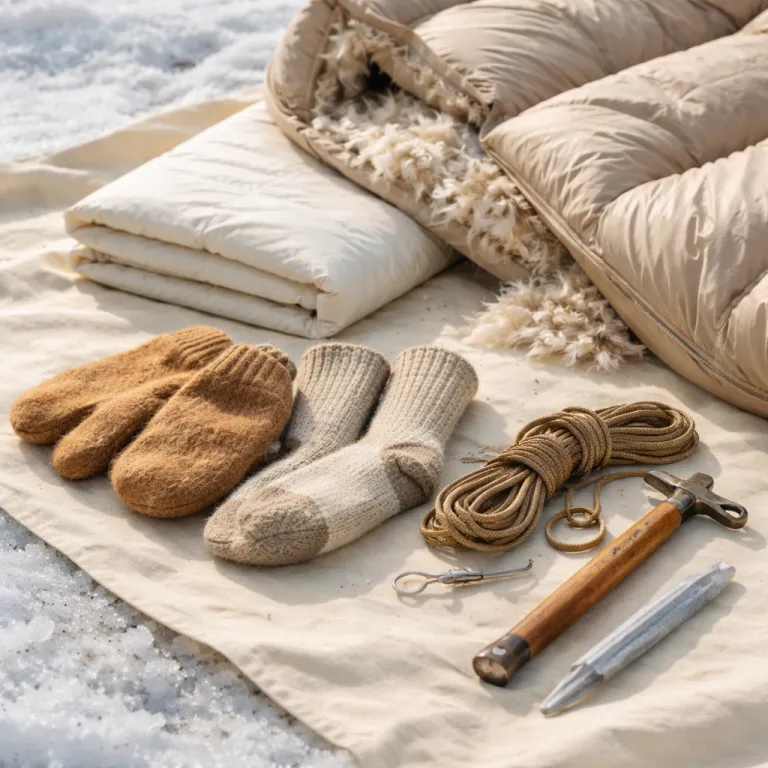
Most operators now favour bivy style Antarctic camping rather than tall tents, because a bivouac keeps you closer to the snow and reduces wind exposure. You unroll thick sleeping mats, then slide your sleeping bag into a weatherproof outer bag, creating a cocoon that traps warm air even when the air temperature hovers near 0 °C. Many companies issue bags rated to roughly minus 15 to minus 20 °C, similar to a three season expedition bag. For many solo travellers, that first moment of zipping yourself into sleeping bags on the continent is the emotional peak of the entire trip.
Facilities are intentionally minimal, and that is where the reality check begins. There is no open fire, no cooking, no hot drink station; meals are taken on the ship before and after, so the camping experience is about immersion rather than comfort. Waste protocols are strict under the Antarctic Treaty, which means there is no going ashore for anything, and the expedition guides will explain exactly how the group manages several hours on land without leaving biological traces.
For readers who have already explored Arctic camping adventures, the contrast is striking. In the high Arctic you might camp with views towards polar bears and drifting pack ice, while on the Antarctic Peninsula you are more likely to share the shore with penguin colonies and sculpted bergs. If you want to compare this southern night on the ice with northern hemisphere options, our guide to Arctic camping adventures in the polar wilderness offers a useful counterpoint.

The soundscape, cold and sleep you actually get at night
The first surprise of an Antarctica overnight camping experience is the sound. Around 2 am, when the ship is a dark silhouette offshore and the last whispers in camp fade, you start to hear the continent breathe through shifting ice, distant katabatic wind and the occasional bark of a seal hauled out on a floe. It is not silence; it is a layered polar soundscape that makes many campers sit up inside their sleeping bag just to listen.
Average overnight temperatures on the Peninsula hover around freezing in austral summer, typically between −5 °C and +2 °C, and operator grade sleeping bags rated to roughly minus 18 °C keep most people safe but rarely cosy. The cold creeps in from the snowpack through any gap in your mat, and even with a full set of thermal layers you will probably cycle between dozing and wakefulness rather than achieving deep night sleep. This is where the romantic idea of camping Antarctic style collides with the physiological reality of trying to spend night hours horizontal while your body fights conductive heat loss.
Wind is the real arbiter of comfort, more than the headline weather forecast. A still night on compacted snow can feel almost gentle, while a breezy night ice session funnels gusts across the camp and rattles every bivy. Clothing strategy matters as much as the bag; think of the detailed layering advice you would use for an unforgettable whale watching experience in polar waters, then add an extra mid layer for the hours of inactivity.
Operators are transparent that “Are meals provided during camping?” is answered with “No, meals are consumed on the ship before and after camping.”, and that “Is prior camping experience required?” is answered with “No, guides provide necessary instruction.”. Those real verified notes underline the point; this is a managed camping activity, not an unsupported expedition, and the expedition team will monitor guests throughout the night. As one Quark Expeditions guide likes to tell guests, “If you are uncomfortable, tell us early, not heroically at dawn.” If the weather deteriorates or the guides will detect unsafe conditions, a recall to the ship can happen even at 3 am, turning your camping Antarctica story into a short but intense chapter.
Regulations, wildlife and the ethics of sleeping on the ice
Every Antarctica overnight camping experience sits inside a strict regulatory frame. The Antarctic Treaty system, supported by IAATO guidelines, dictates where ships can land, how many people can be ashore and what kind of camping activity is acceptable on the Antarctic Peninsula. That is why you will often hear operators talk about minimal impact techniques, from using existing snowfields to banning any food or drink outside sealed containers.
Wildlife encounters are a major draw, but they are never guaranteed and should never be engineered. Penguins, seals and seabirds are common in many landing zones, yet the expedition team will enforce buffer distances and route markers so that the camp does not intersect with nesting sites or haul out areas. You might spend night hours listening to penguin calls drifting over the ice, or you might camp in a quieter bay where the only wildlife you see is a skua patrolling the shoreline.
Ethically, the question is whether the value of that night camping outweighs the footprint of getting you there by ship. For some travellers, especially those who have already taken a high latitude trip to see polar bears in Canada via our guide to where to see polar bears in Canada, one polar voyage may be the lifetime limit. In that context, a single camping Antarctic night, carefully managed and fully briefed, can deepen respect for the region and turn a cruise into something closer to an educational field visit.
Operators emphasise that “What wildlife might be encountered?” is answered with “Penguins, seals, and seabirds are common.”, but they also stress that sightings are never staged. The best expeditions treat the camping experience as one of several adventure activities, alongside kayaking, snowshoeing and extended shore walks, rather than as a stunt. When you read any glossy review that frames camping Antarctica as a luxury sleepover, remember that the real luxury is being allowed to lie on the ice at all.
Who should book, how often it cancels and whether once is enough
Not every traveller is a good match for an Antarctica overnight camping experience, despite the marketing. Solo explorers who are comfortable with broken sleep, basic facilities and a degree of cold management tend to thrive, while very light sleepers, young children and couples who need to chat through the night may find the shared quiet of camp challenging. If you know you struggle with confined spaces or with the idea of a several hour gap before you can return to a toilet on the ship, then this camping experience may not be the right activity.
Weather cancellations are common, and any honest review will say so plainly. Strong wind, heavy snow, unstable night ice or a swell that makes Zodiac operations unsafe can all trigger a no go call from the expedition team, sometimes at the last minute. IAATO operator reports suggest that on some seasons roughly one in three planned camping nights is cancelled somewhere along the Peninsula. On some expeditions, especially those that also explore the Weddell Sea or push towards the South Pole region on longer itineraries, the schedule is tight enough that a lost night cannot be replaced, so you should never book the cruise solely for camping Antarctic options.
Is it worth the cost as an add on to a Peninsula trip? For many, yes, but usually once. The memory of lying in a bivy while the guides will pace the perimeter, listening to the continent shift under the weight of ancient ice, tends to lodge deeper than another comfortable night sleep in a cabin. Most travellers who have done both Arctic and Antarctic camping say they would repeat a multi night Arctic camp, but that one carefully executed spend night on the White Continent feels complete, a full stop rather than a comma in their polar story.
Quick packing checklist for an Antarctica overnight camping experience
- Base layers: moisture wicking thermal top and leggings
- Mid layers: fleece or light insulated jacket and trousers
- Outer shell: waterproof, windproof jacket and pants
- Accessories: warm hat, neck gaiter, liner gloves and insulated over gloves
- Feet: thick wool socks and a spare dry pair for sleeping
- Extras: small dry bag, headlamp with red light mode, spare batteries
FAQ about Antarctica overnight camping on the Peninsula
Is prior camping experience necessary for Antarctic camping?
Prior camping experience is not required for an Antarctica overnight camping experience on the Peninsula. Operators provide a full briefing, and guides will supervise every camping activity from landing to return to the ship. If you can follow instructions, manage your layers and respect wildlife, you are generally ready for this level of trip.
How cold does it get during a night on the ice?
During austral summer, average overnight temperatures on common camping sites sit close to 0 °C, though wind chill can make it feel significantly colder. You will be issued a sleeping bag and insulated mat designed for sub zero conditions, but expect a series of short naps rather than a long, uninterrupted night sleep. Dressing in layers and keeping your bag dry are more important than chasing a perfectly warm camp.
What happens if the weather turns bad after we land?
If the weather deteriorates after the group has gone ashore, the expedition team will reassess conditions and can recall everyone to the ship at any time. Strong wind, blowing snow or shifting night ice can all trigger an early extraction, even in the middle of the night. Safety always overrides the desire to complete the camping experience as planned.
Are there toilets or shelter at the camping site?
There are no permanent facilities at Peninsula camping sites, and waste management follows strict Antarctic Treaty rules. In most cases, guests are briefed to use the ship before and after the night camping session, with emergency solutions managed under tight protocols by the guides. This minimal infrastructure is deliberate, keeping the footprint of camping Antarctica as low as possible.
Can I choose where on the Antarctic Peninsula we camp?
Guests do not choose specific locations; the expedition team selects sites based on weather, ice, wildlife presence and regulatory permissions. Some voyages may offer multiple potential camping Antarctic nights in different bays, while others have only one planned opportunity. Flexibility is essential, because the continent, not the brochure, decides where you will sleep.
