How Arctic cruise shoulder season deals really work
Arctic cruise shoulder season deals sit in that narrow band between frozen silence and peak season crowds. In practice, the shoulder season in the Arctic means late spring and early autumn, when cruise lines quietly adjust cruise prices to keep ships full without shouting about discounts. For a couple weighing romance against risk, this is the moment when an expedition can shift from fantasy to financially realistic.
Operators and travel agencies use off-peak Arctic offers to fill cabins during periods of lower demand, and the result is often a 15 to 30 percent reduction on comparable Arctic voyages. Sample price grids from specialist agencies such as Polar Routes, Swoop Arctic, and Oceanwide’s own published tariffs commonly show average savings in the 20 to 25 percent range, with some premium expedition cruises discounting several thousand USD per person on selected departures. For example, Oceanwide’s 10 day “Basecamp Plancius” Svalbard voyage in late May 2025 is listed at roughly 6,000 to 6,500 USD per person in a twin cabin, compared with 7,500 USD or more for similar July sailings on newer ships. These are not abstract numbers; they are the difference between a standard cabin on a short Arctic expedition and a balcony cabin on a longer expedition cruise with more days inside the Arctic Circle.
To understand whether cruise deals in the shoulder season are genuine value, you need to track four variables that actually move the cost of an Arctic cruise. Month is the first lever, because May and September departures usually carry the strongest deals Arctic wide, while July departures near the North Pole often hold firm. Operator, cabin grade, and single supplement are the other three variables, and together they dictate whether you are looking at a smart early booking opportunity or a marketing line wrapped around full cruise prices.
Late May departures: the Arctic start of the season
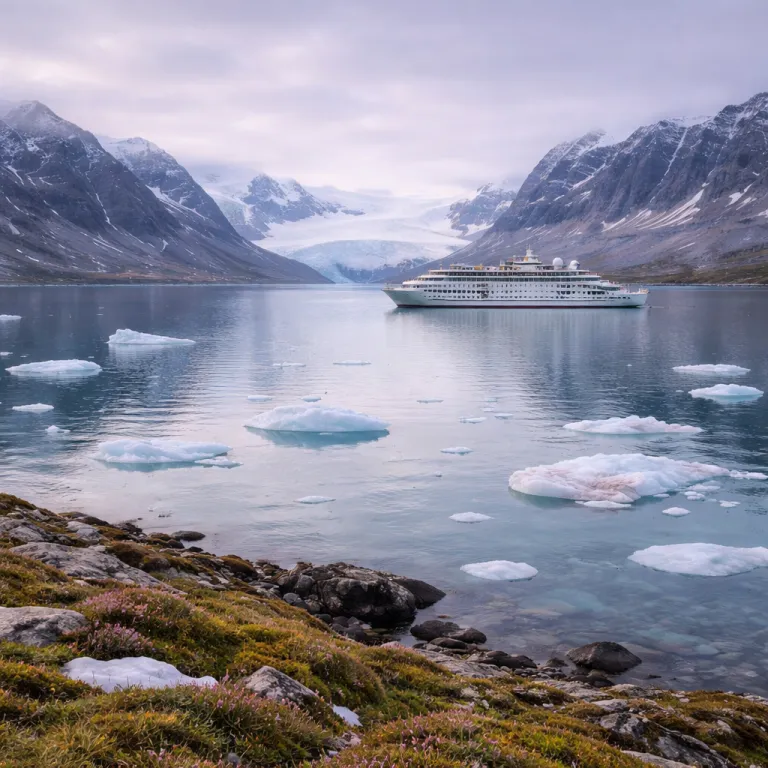
Late May is the quiet Arctic start, when the ice still frames the coastline and the light stays low and silvery. On a May expedition cruise around Svalbard, you often view sculpted sea ice and snow covered ridges, with fewer ships competing for the same landing sites. For couples who value atmosphere over a packed programme of activities, this is a deeply rewarding time to travel.
Because demand is lower, cruise lines frequently release some of their best early season Arctic cruise deals on these departures, especially when they want to secure cash flow through early bird and early booking campaigns. Hurtigruten’s 11 day “Svalbard Express” in late May, for instance, has recently been advertised from around 5,500 USD per person in a standard cabin, while similar itineraries in July on upgraded ships can exceed 7,000 USD. You might find a 10 day Arctic expedition priced several thousand USD per person below peak, with the same ship, the same polar guides, and the same safety standards. The trade off is that some zodiac tours may be ice limited, and certain fjords in Greenland or the Northwest Passage may not yet be reliably accessible.
Photography couples tend to love this shoulder season timing, because the low sun angle gives long blue hours and soft contrast that flatter every view. Wildlife is present but less predictable; polar bears can be seen hunting on the ice, yet some migratory whales have not fully arrived, so you should not treat May as a whale watching guarantee. If you are pairing your polar travel with other scenic rail journeys, such as a transfer similar in spirit to the Whittier to Anchorage train guide, May’s quieter airports and lower hotel cost on the mainland can further enhance the overall value of your cruise deals.
September voyages: autumn colour, whales and northern lights
By September, the Arctic has shifted into a different mood, with tundra turning rust red and gold beneath a darker sky. The midnight sun has gone, which means your time on deck may include genuine night, and with that comes the possibility of northern lights above the ship. For many couples, this combination of soft autumn colour and aurora potential makes September the most romantic month for Arctic cruises.
From a pricing perspective, September sits firmly in the shoulder season, and many cruise lines quietly reduce cruise prices to keep expedition ships close to full. You often see attractive late season Arctic cruise promotions on Greenland and Svalbard itineraries of 8 to 12 days, where the per person cost in USD can be 15 to 25 percent lower than high summer. Quark Expeditions, for example, has historically priced some 10 day “Spitsbergen Explorer” departures in early September from around 8,000 to 8,500 USD per person, compared with 10,000 USD or more for peak July sailings on similar routes. Whale migration is in full swing along some Greenland coasts, and reindeer rutting around Svalbard adds drama to shore activities, though some higher latitude tours toward the North Pole may already be off the schedule.
There is a trade off; some landings that were easy in July may be weather challenged in September, and sea conditions can be more changeable around the Arctic Circle. However, the payoff is fewer ships at anchor, more space in zodiacs, and a stronger sense of polar wilderness once you step off the gangway. If you enjoy planning multi stop journeys, you can even frame a September expedition cruise between elegant city breaks, using resources like this 10 day refined Scotland itinerary as inspiration for pre or post cruise time in Europe.
What shoulder season savings really buy you
When you strip away the marketing, Arctic cruise shoulder season deals are about reallocating your budget, not just trimming it. For a couple, the choice is often between one fewer day, one cabin grade down, or one month off peak, and each option changes the feel of your expedition. The art is to find the combination that preserves the romance and the polar intensity while keeping the total cost in a range that feels comfortable.
Dropping one cabin category on an expedition cruise can save several thousand USD per person, especially on premium ships where balcony cabins command a serious premium. Moving your travel dates from July to late May or September can deliver similar savings without sacrificing cabin comfort, because the ship hardware and core activities remain the same. In many cases, the most efficient strategy is to keep the cabin you want, accept a voyage of 9 or 10 days instead of 12, and lean hard into shoulder season cruise offers that reward early bird bookings.
To make the value concrete, imagine a 10 day peak season itinerary priced at 12,000 USD per person, including charter flights and excursions, which works out at 1,200 USD per day. A comparable late May or September voyage discounted by 20 percent would cost 9,600 USD per person, or 960 USD per day, leaving 2,400 USD in your budget that could fund upgraded flights, extra hotel nights, or specialist photography workshops without increasing your overall spend.
You should also budget for every additional cost that sits outside the headline cruise prices, because these extras can quietly erode the value of even the best deals Arctic wide. Charter flights to remote embarkation ports often add 600 to 1,200 USD per person, specialist gear rental such as waterproof boots and parkas can run 150 to 300 USD, and optional kayaking or photography tours may add 100 to 250 USD per excursion. Single supplements for solo travelers commonly range from 25 to 75 percent of the per person cruise fare, which can mean 2,000 to 5,000 USD on higher end voyages. To avoid surprises, read the inclusions line by line, ask your travel agency to clarify what is not covered, and use a detailed packing guide such as our polar expedition packing checklist to minimise last minute purchases.
Operators and itineraries that genuinely discount
Not every Arctic cruise operator plays the same game with pricing, and that matters when you are chasing real value. Some cruise lines hold their cruise prices almost flat across the season, preferring to compete on inclusions and ship design rather than headline deals. Others use targeted Arctic cruise shoulder season promotions to stimulate early booking, especially on less familiar itineraries such as the Northwest Passage or remote Greenland fjords.
From the data we have, Arctic cruise operators and travel agencies collaborate closely during shoulder season to increase bookings and maximise occupancy, using discounted pricing and promotional offers as their main tools. The event type is essentially a structured travel deals campaign, with objectives to attract travelers, fill cabins, and increase revenue during spring and fall. Online booking platforms and specialist agencies act as intermediaries, helping couples find the specific expedition cruises where the per person USD rate has quietly dropped without any reduction in safety or core activities.
When you compare cruise deals, focus less on the percentage discount and more on the absolute cost per day inside the Arctic Circle, including any additional cost such as charter flights or gear rental. A modest 15 percent reduction on a high quality 10 day Arctic expedition around Svalbard or Greenland can be better value than a louder 30 percent offer on a shorter, less immersive cruise. Ask operators directly which departures are considered shoulder season, and do not hesitate to request clarity on whether a specific ship is being discounted because of timing, itinerary, or because it is an older vessel in the fleet.
Weather, wildlife and the real trade offs of shoulder season
Every Arctic cruise shoulder season deal carries a weather clause, even if it is not written on the brochure. Spring and autumn in the polar regions are more unpredictable than high summer, and you must be comfortable with that before you commit your travel budget. The reward is a wilder, less choreographed experience, where the ship feels like an expedition vessel rather than a floating resort.
In late May, you gain snow covered landscapes, dramatic sea ice, and fewer mosquitos, but you may lose access to some narrow channels or high latitude tours if the ice has not yet broken. In September, you gain autumn colour, whale rich waters, and a genuine chance of northern lights above the ship, but you trade away the 24 hour daylight that defines June and July. Wildlife is present in both shoulder seasons; polar bears, whales, and seabirds remain key sightings, but their behaviour and location shift with the season, so you should choose your time based on which species and activities matter most to you.
One summarised FAQ from a verified industry dataset captures the key questions many travelers ask in a simple way: "What are Arctic cruise shoulder seasons?" "Spring and fall periods with fewer travelers." "How much can I save on shoulder season deals?" "Up to around 35% off regular prices on some departures." "Are shoulder season cruises less crowded?" "Yes, fewer passengers onboard." "What wildlife can be seen during shoulder seasons?" "Polar bears, whales, and seabirds." "Is the weather harsher during shoulder seasons?" "Yes, conditions can be more unpredictable." Those answers are blunt, but they are accurate, and they capture the balance between value and volatility that defines this style of polar travel.
How to choose your perfect shoulder season Arctic cruise
Choosing the right Arctic cruise shoulder season deal as a couple starts with an honest conversation about comfort, romance, and risk. If northern lights and autumn colour are your shared priorities, then a September expedition cruise around Greenland or Svalbard will probably suit you better than a bright but colder May voyage. If you dream of vast white landscapes and the feeling of an early season Arctic start, then late May inside the Arctic Circle will feel closer to the classic polar expedition image.
Next, decide how you want to trade time, space, and budget, because those three elements define the feel of your cruise. A slightly smaller cabin on a newer ship with excellent stabilisers can be more pleasant than a larger cabin on an older ship, especially in shoulder season seas, so do not obsess over square metres alone. Look at the cost per person in USD for the full package, including flights and any additional cost such as pre cruise hotels, and then compare that across several cruises and cruise lines rather than fixating on a single headline discount.
Finally, use specialist travel agencies who understand expedition cruises rather than generic mass market sellers, because they know which tours and ships perform best in shoulder season. Ask them to help you find itineraries that match your appetite for activities, from gentle zodiac cruises to more active hikes, and to flag any departures where the deals Arctic wide are driven by weaker demand rather than weaker product. With that level of curation, Arctic cruise shoulder season deals stop being a gamble and become a precise tool for crafting a polar journey that feels both indulgent and intelligently priced.
Key figures on Arctic cruise shoulder season deals
- Average discount levels on Arctic cruise shoulder season deals often sit around 20 to 25 percent according to sample pricing from specialist agencies and operator brochures, which typically translates into several thousand USD per person saved on premium expedition itineraries.
- On some higher end voyages, total savings per person can reach well over 5,000 USD when shoulder season discounts are combined with early booking incentives, a figure that can fund business class flights or a significant cabin upgrade for a couple.
- Shoulder season in the Arctic generally covers late spring and early autumn, when lower demand allows cruise lines to reduce cruise prices without compromising safety or core activities.
- Discounts on Arctic cruise shoulder season deals can reach up to roughly 35 percent off regular prices on selected departures, especially when combined with early bird or early booking promotions.
- Lower passenger numbers during shoulder season mean that ships and zodiacs are less crowded, which enhances the sense of space and access during landings and wildlife viewing.
FAQ about Arctic cruise shoulder season deals
When exactly are Arctic cruise shoulder seasons?
Arctic cruise shoulder seasons fall in late spring and early autumn, typically from late May into early June and again from mid August through September, when there are fewer travelers and more variable conditions.
How much can a couple realistically save in shoulder season?
Most Arctic cruise shoulder season deals offer 15 to 30 percent off peak season cruise prices, and some itineraries reach up to about 35 percent, which can mean savings of several thousand USD per person on high end expedition cruises.
Will we still see wildlife such as polar bears and whales?
Yes, shoulder season voyages still offer strong wildlife opportunities, with polar bears, whales, and seabirds regularly seen, although exact sightings vary by month, region, and ice conditions.
Are shoulder season cruises much rougher or riskier?
Weather in spring and autumn is more unpredictable than in midsummer, so you should expect a higher chance of wind, swell, or itinerary changes, but reputable operators manage this with robust ships, experienced crews, and flexible routing.
Is shoulder season a good choice for a first time Arctic traveler?
For many first time travelers, shoulder season offers an excellent balance of lower cost, fewer crowds, and strong scenery, provided you are comfortable with some uncertainty and choose an operator with solid expedition experience.