New polar ships 2026 summer season: what is genuinely new
The line up of new polar ships for the 2026 summer season is finally clear. For business leisure travelers used to reading between brochure lines, this is the moment to separate serious polar expedition hardware from pretty renderings and recycled cruises. Think of it as an annual audit of which ship, vessel and operator will actually change how you experience ice, wildlife and the long austral or Arctic light.
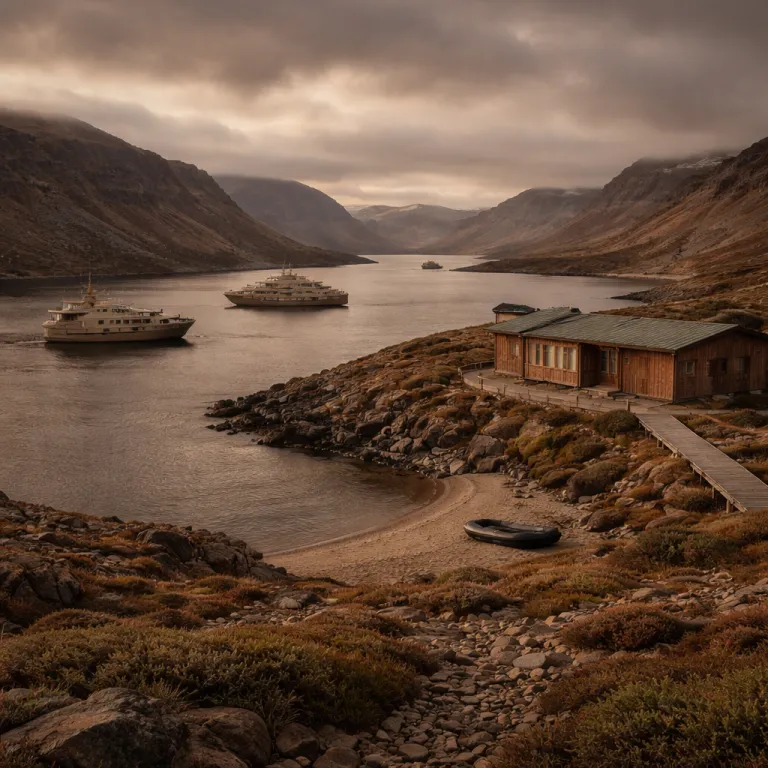
Six headline ships and refits define the 2026 story, and each approaches Antarctica and the Arctic with a different philosophy. Aqua Expeditions plans to introduce Aqua Lares to high latitudes with around 30 guests in roughly 15 suites, while the small operator Captain Arctic is preparing the near seventy metre Selar for eco focused Arctic expeditions using solar assisted systems and low impact operations. Polar Latitudes is moving its first owned vessel, the Discoverer, into Antarctic service with about 140 guests, and Poseidon Expeditions is adding a new ice strengthened ship alongside its existing fleet, reshaping where small vessels can go and how long they can stay in remote bays or along the Antarctic Peninsula.
These launches sit within a wider shift toward purpose built, ice strengthened expedition vessels rather than repurposed cruise ships. Travelers now compare public spaces, dining venues and fitness center design with the same scrutiny they once reserved for cabin categories. The best itineraries still hinge on ice, weather and wildlife, but the right ship can mean quieter shore operations, more flexible excursions and a level of luxury cruise comfort that does not blunt the edge of real exploration.
Ownership, design and the quiet revolution in small ships
The most interesting change in the 2026 polar fleet is not a waterslide or a new spa, but who actually owns the hardware. Polar Latitudes is moving from chartering to owning its first vessel, the Discoverer, and that shift matters for anyone booking Antarctic cruises or an extended Antarctica voyage. When an operator owns the ship, it can align expedition operations, public spaces and shore excursions with its own polar ethos rather than a generic cruise template.
Across the new builds and refits, you see a convergence around purpose built, ice class hulls and low guest counts that keep the feel of small ships. Aqua Lares, Discoverer and Captain Arctic’s Selar are all described by their operators as prioritising efficient hull forms, advanced navigation in ice and generous deck space for wildlife watching. Inside, the language is about calm public spaces, flexible dining venues and a fitness center that actually works for guests returning from a long shore hike rather than a token treadmill facing a bulkhead.
For the business leisure traveler, the question is how these design choices translate into real days on the ice during the 2026 season. A purpose built vessel with strong ice class can push deeper into early or late shoulder dates, when Antarctica cruises and Arctic voyages often see better light and fewer ships. If you are weighing a luxury cruise with Explora Journeys or Swan Hellenic against a more focused expedition operator, look closely at how many zodiacs they carry, how they staff their expedition team and how often they plan to get you ashore rather than in lectures.
Land based options are also evolving in parallel with the latest ships. In Svalbard and Greenland, a new generation of high latitude lodges now competes with vessels for the attention of travelers who prefer a fixed base and day long expeditions by boat or helicopter. If you are considering an Arctic lodge with high service standards, start with a specialist overview such as this guide to Arctic frontier hosting for discerning polar travellers and then compare it directly with your preferred Antarctica cruise or Arctic cruise plan.
Where the new ships actually go: Ross Sea, south Georgia and beyond
Hardware only matters if it opens new doors, and the 2026 deployments finally bring credible access back to the Ross Sea and East Antarctica. Aurora Expeditions positions the Douglas Mawson, a modern ice class vessel, on itineraries that reach the Ross Sea with enough time in hand for weather and ice delays. Aurora describes Douglas Mawson as Polar Class 6, designed for extended operations in medium first year ice, which matters because this part of Antarctica is unforgiving and only a handful of ships and expeditions can operate here without cutting corners on safety or wildlife time.
In parallel, operators are refining classic South Georgia and Antarctic Peninsula routes rather than simply adding more cruises. Expect more itineraries that combine South Georgia, the Peninsula and less visited subantarctic islands, using small ships to access narrow bays and wildlife rich beaches where larger vessels cannot land. Poseidon Expeditions, for example, uses late season positioning voyages to offer summer Greenland cruises that dovetail with its Antarctic programs, giving frequent travelers a way to link Arctic and Antarctic seasons in a single planning cycle.
If you are specifically interested in the Ross Sea and East Antarctica in 2026, pay attention to how long each cruise allocates south of the polar circle. A serious polar expedition will build in buffer days for ice and weather, while a more commercial Antarctica cruise may promise the Ross Sea but retreat early if conditions tighten. Some Ross Sea itineraries now advertise 10–12 full days in the region, a useful benchmark when comparing brochures. For a deeper look at why this area is so complex and why only a few vessels are truly suited to it, read our detailed analysis of the Ross Sea’s return and East Antarctic voyages before you commit.
Not every new itinerary in the 2026 brochure deserves its premium price. Some heavily marketed routes simply repackage existing Antarctica cruises with a single extra landing or a themed lecture series branded by National Geographic or another media partner. When you see a price jump justified by a logo rather than by more days in the ice, more shore excursions or a better ice class vessel, you are paying for marketing rather than for meaningful time with penguins, seals and the silence of the pack.
How to choose: operations, hype and the routes to skip this season
Choosing among the latest polar ships is less about the gloss of luxury and more about operations. Ask how many landings per day the expedition team aims for, how they handle wildlife viewing protocols and what happens when ice closes a primary landing site. The best operators treat the daily plan as a living document, adjusting quickly to light, wind and wildlife rather than clinging to a brochure promise. As one senior guide for a major operator put it recently, “Our job is to maximise safe time off the ship, not to defend yesterday’s schedule.”
One route that does not justify its premium in 2026 is the short Antarctic Peninsula fly cruise that compresses everything into less than a week. These itineraries often market themselves as the best way to cruise Antarctica for busy professionals, but the reality is a rushed sequence of landings with little flexibility for weather or ice. When a ship must meet a fixed flight window, shore excursions become a checklist, and you lose the unhurried hours among wildlife that define a true Antarctic or polar cruise experience.
By contrast, longer expeditions that link the Antarctic Peninsula with South Georgia or the subantarctic islands, or Arctic voyages that combine Greenland with high latitude fjords, make better use of the 2026 polar season. They leverage purpose built vessels, strong ice class and well trained expedition teams to keep you on the water and ashore rather than in transit. If you are weighing a luxury cruise with Swan Hellenic, Explora Journeys or another brand against a more focused expedition ship, prioritise time in the field over spa menus and count how many days are actually spent in polar regions.
For travelers who like to pair polar expeditions with other remote adventures, the timing of the 2026 sailings also aligns neatly with late summer fly in experiences in the north. Many guests now combine an Arctic voyage with a high latitude fishing or river journey, using hubs like Anchorage or Reykjavik as pivots. If that sounds like you, our guide to flying into Alaska’s wild rivers for fishing adventures offers a useful template for thinking about logistics, charter aircraft and how to keep your polar gear working across very different environments.
As you refine your plans for the coming polar summer, remember that eco credentials now matter as much as thread count. Aqua Expeditions, Poseidon Expeditions, Polar Latitudes and Captain Arctic are all leaning into lower emission technologies, from solar assisted systems to more efficient hulls. As one recent briefing from operators’ press materials put it without fanfare, “What are the new polar ships launching in 2026? Aqua Lares, Discoverer, Selar, Douglas Mawson, and Poseidon Expeditions' new vessels.”
FAQ
Which new ships are entering polar service for the upcoming summer season ?
The key new ships for the 2026 polar season are Aqua Lares from Aqua Expeditions, the Discoverer operated by Polar Latitudes and the Selar operated by Captain Arctic. Poseidon Expeditions also introduces additional vessels into its Arctic and Antarctic programs, expanding both Antarctic cruises and Arctic cruises. Together with Aurora Expeditions’ Douglas Mawson, these ships and vessels increase capacity in Antarctica and the Arctic while focusing on smaller guest numbers and stronger ice class capabilities.
Is it worth paying extra for a Ross Sea or East Antarctica itinerary ?
For experienced travelers, a Ross Sea or East Antarctica voyage in 2026 can justify its premium if the vessel is genuinely ice capable and the itinerary allows enough buffer days. These regions of Antarctica are remote, heavily influenced by ice and weather and only suitable for a limited number of ships and expeditions. If a cruise offers the Ross Sea with minimal time in the area or relies on a vessel without strong ice class, the premium is harder to defend.
How do the new ships balance luxury and real expedition experience ?
The latest polar vessels generally blend luxury cruise comforts with serious expedition operations. Expect well designed public spaces, multiple dining venues and a functional fitness center, but also strong zodiac capacity, experienced guides and flexible shore excursions. The best balance comes from purpose built small ships that keep guest numbers low while maintaining high standards of safety and environmental practice.
When should I book for the late summer polar season ?
Because capacity on the new generation of polar ships is limited, booking several months ahead is prudent, especially for cabins on small ships and for itineraries that include South Georgia or the Ross Sea. Business leisure travelers aiming for late summer often secure space once their work calendar is clear, typically eight to twelve weeks before departure. Waiting longer risks losing the best cabin categories and the most interesting itineraries.
Are eco friendly polar cruises really different in practice ?
Eco focused operators in the 2026 season, such as Captain Arctic and Aqua Expeditions, use more efficient engines, sometimes solar assisted systems and strict environmental protocols ashore. While no polar expedition is impact free, these ships and expeditions generally burn less fuel per guest and enforce tighter wildlife and waste guidelines. For travelers who care about footprint, choosing such a vessel and avoiding unnecessarily short fly in itineraries is a meaningful step.