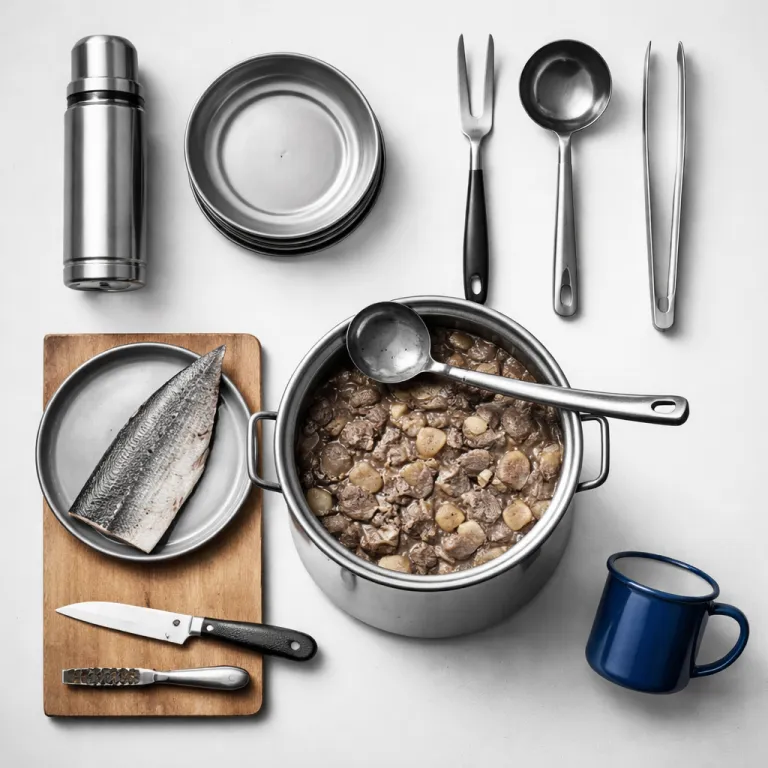
When polar cruise gastronomy becomes a reason to book
Polar cruise gastronomy has shifted from afterthought to booking filter. Travelers now compare expedition ships not only by ice class and cabins, but by how the main dining room handles reindeer, Arctic char and cloudberries. On the right ships, guests enjoy a multi-course dinner that feels anchored in the high latitudes rather than flown in from a hotel loading bay.
The three ships where the dining room seriously influences booking are Silversea’s Silver Endeavour, Scenic Eclipse and Ponant’s Le Commandant Charcot. Each one treats the expedition cruise as a moving restaurant with credible local ingredients, rather than a voyage where the restaurant is a floating compromise. For couples planning an anniversary meal or travelers marking a milestone, these ships turn every day at sea into a fine dining adventure that can stand beside serious land based restaurants.
Silver Endeavour uses the S.A.L.T. (Sea And Land Taste) programme to tie every polar expedition to regional food stories. Scenic Eclipse leans into variety, with up to ten restaurants and dining options that range from sushi counters to a chef’s table, which keeps longer expeditions fresh. Le Commandant Charcot brings French fine dining discipline to the Arctic island world, with a main restaurant that can plate muskox and sea buckthorn with the same precision as a Paris address.
Across these ships, the main dining spaces are designed like modern city restaurants, not banquet halls. The main dining room on Silver Endeavour feels intimate, with tables for two placed to frame the ocean rather than the buffet. On Scenic Eclipse, guests can move from a relaxed multi-course dinner in the main restaurant to a more theatrical tasting menu in the degustation venue, which makes a seven day itinerary feel like a rolling restaurant week.
For travelers comparing cruise lines, this is where the gap opens. Traditional cruise ships still treat the dining room as a volume problem, while newer expedition ships treat dining as part of the expedition itself. When regional tasting menus and Arctic dining are done well, the restaurant becomes another lens on the ice, as revealing as a lecture or a zodiac landing.
Silversea S.A.L.T. in the Arctic: regional sourcing that actually works
Silversea’s S.A.L.T. concept is one of the clearest cases of place driven cuisine in Arctic dining that genuinely respects local culture. On Silver Endeavour, the programme turns each expedition into a moving culinary workshop, where ingredients from Svalbard, Greenland and coastal Norway shape both menus and stories. It is not the expedition brochure, but the plate of Arctic char with sea buckthorn that tells you where you are between land sea and ice.
The S.A.L.T. Lab and S.A.L.T. Kitchen function as more than themed restaurants. They are dedicated dining options where Inuit chefs and visiting guest chefs share the same counter, and where guests enjoy hands on sessions that explain why muskox tastes different when it has grazed on coastal tundra. One of the most compelling events is the Tundra to Table experience, described by Silversea’s culinary team as “a dining event featuring Inuit cuisine prepared by local chefs.”
On a typical day, you might spend the morning on a zodiac expedition near an Arctic island, then return to a multi-course dinner built around Greenlandic lamb or reindeer from Svalbard. The main restaurant will offer a fine dining interpretation, while S.A.L.T. Kitchen serves a more direct, family style version of the same dishes. This dual approach lets guests move between refined tasting menu presentations and more rustic plates that feel closer to a home kitchen in Nuuk.
Silversea’s partnership with organisations such as Polar Table and local Inuit communities matters here. It means the expedition ships are not just importing recipes, but paying for knowledge and access to local ingredients that are genuinely hard to source. Polar Table, for example, works with small scale suppliers in Greenland and northern Norway, helping ships secure Arctic char from specific fjords or cloudberries from named valleys, details that usually hold up under questioning.
For couples, this creates a different kind of anniversary dinner. Instead of generic lobster, you might share a reindeer stew that echoes a meal you tasted during a shore visit, served in a dining room where the chef has just explained the migration routes that shaped the meat. If you want to understand how tableware and context can elevate these moments, look at how a polar bear bowl can elevate polar expedition dining, which shows how design and cuisine can work together on a serious expedition cruise.
From kaffemik to foraging walks: when shore time feeds the plate
The most convincing polar cruise gastronomy always extends beyond the ships. A kaffemik in Nuuk, a foraging walk near Longyearbyen or a dog sledder lunch in Ittoqqortoormiit can do more for your understanding of Arctic food than any number of tasting menus. The best expeditions weave these experiences back into the dining room, so that what you eat on board reflects what you have smelled in a village kitchen or picked from the tundra.
On some itineraries, expedition leaders schedule a kaffemik style visit in Greenland, where guests enjoy coffee, cake and savoury dishes in a local home. The article on the Greenlandic coffee ritual worth arranging an afternoon for explains how this social format works, and why it matters for understanding hospitality in the polar regions. When you return to the main dining room that evening, a multi-course dinner featuring Greenlandic lamb or mattak feels less like a novelty and more like a respectful echo of the afternoon.
In Svalbard, foraging walks around Longyearbyen introduce guests to Arctic herbs, seaweed and berries that rarely appear on standard cruise menus. Expedition guides and culinary équipe often collaborate, turning these walks into informal workshops where local ingredients are identified, tasted and then folded into dishes on the ships. A simple dessert of yoghurt, cloudberries and honey in the main restaurant can suddenly carry the memory of a windy ridge and a handful of berries eaten straight from the plant.
Dog sledder meals in remote settlements such as Ittoqqortoormiit add another layer to the expedition experience. Here, food is fuel first, with hearty stews and flatbreads designed for brutal weather rather than fine dining theatre. When chefs on expedition ships reinterpret these dishes as part of a tasting menu, the best ones keep the honesty of the original, resisting the urge to turn everything into a delicate plate.
For couples, these land sea connections are where romance and authenticity meet. Sharing a simple plate of reindeer stew after a day of ice navigation can feel more intimate than any elaborate tasting menu, especially when you know the story behind the ingredients. Look for itineraries that name specific experiences such as kaffemik, foraging walks or Tundra to Table in their expedition descriptions, because those details usually signal a deeper commitment to regional dining options.
Reading the menu: real regional sourcing versus props
Not every claim of Arctic inspired cuisine on a cruise ship stands up to scrutiny. The phrase “reindeer stew” appears on many menus across the polar regions, but its meaning shifts dramatically between Svalbard, Greenland and a generic cruise ship crossing the open ocean. Travelers who care about food can learn to read these signals quickly, and to separate genuine regional sourcing from theatrical props.
On itineraries that actually visit Svalbard or Greenland, reindeer stew can be a defensible signature dish. In these places, local ingredients such as reindeer, muskox and Arctic char are part of the existing food system, and expedition ships can source them through established suppliers. When a menu lists the origin of the meat and the chef can explain the supply chain in the dining room, you are usually on solid ground.
When the same dish appears on a ship that has not been near an Arctic island for days, caution is warranted. If the restaurant team cannot say where the meat came from, or if the menu leans heavily on generic “Nordic” descriptors without naming ports, you are probably looking at a theme night rather than a true polar expedition plate. The same logic applies to fish: if the catch of the day has no species or location attached, it is unlikely to be from the waters you sailed that morning.
There are other tells. Menus that feature cloudberries, sea buckthorn and Greenlandic lamb only once on a long expedition, while repeating international classics every day, are not built around the polar regions. By contrast, ships that rotate local ingredients through breakfast, lunch and multi-course dinner services, and that offer multiple dining options for tasting them, are usually doing the work behind the scenes.
For couples and small groups, the test is simple and does not need to be repeated often. Ask one pointed question in the main dining room about where a specific ingredient was loaded, and listen carefully to the answer. If the response is as precise as a good Washington Post restaurant review, naming ports and suppliers, you are in safe hands; if it drifts into vague marketing language, treat the menu as theatre and adjust your expectations.
Comparing cruise lines: where couples actually eat better
Once you start comparing polar cruise gastronomy and Arctic dining across cruise lines, patterns emerge quickly. Silversea, Scenic and Ponant sit at the top for travelers who care about both expedition and dining, with HX Hurtigruten and Oceanwide Expeditions offering a more restrained but honest approach. Quark Expeditions focuses on the expedition experience first, but has been steadily improving its dining rooms and main restaurant concepts on newer ships.
On Silversea, the combination of S.A.L.T., multiple restaurants and a high staff to guest ratio creates a consistently strong experience. Scenic Eclipse stands out for sheer variety, with up to ten restaurants and dining options that let guests enjoy everything from sushi to fine dining tasting menus during a single expedition cruise. Ponant’s Le Commandant Charcot brings French fine dining standards to the polar regions, with a main dining room that would not feel out of place in a serious city restaurant.
HX Hurtigruten leans into its Scandinavian roots, offering clean, ingredient led dishes that feel appropriate to the landscapes outside. Oceanwide Expeditions keeps things simpler, with fewer restaurants but a focus on hearty, well executed food that supports long days on the ice. Quark Expeditions has historically prioritised expedition logistics and science, but its newer expedition ships now feature more flexible dining rooms and better handled local ingredients, especially on itineraries that include Svalbard and Greenland.
For couples planning a special occasion, the anniversary dinner question is crucial. On Silversea and Scenic, you can expect a multi-course meal with wine pairings, a quiet table for two and a level of service that justifies the premium fare. On Ponant, the romance comes from the combination of French technique, low lighting and the sense that you are eating in a serious restaurant while the ship edges past an ice floe.
Whichever line you choose, remember that comfort at the table starts with comfort on deck. Before you think about dinner reservations, make sure your layering system can handle a windy zodiac ride by reading guidance on how to build an Alaska winter clothing system that truly keeps you warm. When you are not shivering, you can pay proper attention to the way a chef has handled Arctic char, or to the quiet pleasure of a simple dessert eaten while the midnight sun brushes the horizon.
FAQ
How important is food when choosing an Arctic or Antarctic expedition cruise ?
Food has become a major differentiator in polar expedition travel, especially for couples and food focused travelers. On newer expedition ships, dining is integrated into the overall experience, with menus that reflect local ingredients and shore activities. If you care about cuisine, prioritise ships where the dining room and restaurants are mentioned as key features, not just as logistics.
Can expedition ships really source local ingredients in remote polar regions ?
Serious operators can and do source local ingredients such as Arctic char, reindeer, muskox, cloudberries and Greenlandic lamb through established suppliers in ports like Longyearbyen and Nuuk. Programmes such as Silversea’s S.A.L.T. and partnerships with organisations like Polar Table help structure this sourcing. That said, not every dish can be local, so look for menus where regional products appear regularly and are clearly identified.
What is the Tundra to Table experience on polar cruises ?
Tundra to Table is a curated dining event that brings Inuit cuisine and Arctic ingredients into the ship’s dining room. It is often led by Inuit chefs or visiting world class chefs who explain the cultural context of each dish. Silversea describes it as “a dining event featuring Inuit cuisine prepared by local chefs,” and it has become a reference point for serious regional sourcing on polar itineraries.
Which polar cruise lines are best for a romantic anniversary dinner ?
Silversea, Scenic and Ponant currently offer some of the strongest fine dining experiences for special occasions in the polar regions. Their expedition ships feature multiple restaurants, attentive service and menus that integrate local ingredients into multi-course meals. For a quieter but still thoughtful experience, HX Hurtigruten and Oceanwide Expeditions provide solid, less theatrical dining rooms that suit travelers who prioritise landscape over luxury.
How can I tell if a ship’s "Arctic" menu is authentic or just themed ?
Authentic Arctic menus usually name specific ingredients, regions and ports, such as Svalbard reindeer or Greenlandic halibut. Staff in the main restaurant should be able to explain where key products were loaded and how they connect to shore experiences. If descriptions stay vague and the same “Arctic” dishes appear regardless of the day’s location, you are likely looking at a theme night rather than true regional sourcing.