Planning what to do in Fairbanks Alaska for an Arctic city stay
Working out what to do in Fairbanks Alaska starts with understanding its rhythm. This northern city in Alaska sits under a vast sky where daylight and darkness shape every stay, and where each season offers different things for curious travellers. Fairbanks feels both frontier and refined, with museums, riverside trails, and winter streets that still hum softly in the cold.
Begin in downtown Fairbanks, where you can walk along the Chena River and feel how the water has guided life here. The University of Alaska Museum of the North presents Alaska through art, science, and culture, and it anchors any thoughtful visit with context and quiet authority. Its galleries help you frame later tours into the surrounding landscapes, from the national park wilderness to the Arctic Circle corridor.
Many visitors ask about the best time to visit Fairbanks and how to plan their day. Summer brings long light and warm temperatures, while a Fairbanks winter offers the northern lights and crisp air that suits snow based tours. Whatever the time of year, dress in layers, plan what pack carefully, and allow space in your schedule for weather and serendipity.
As you refine your list of things Fairbanks can offer, think in themes rather than checklists. Combine cultural stops, a national park excursion, and an evening focused on the aurora or local food for balance. This approach turns a simple visit into a richer journey through Alaska, where each day feels complete yet leaves you wanting to stay longer.
Arctic light, northern nights, and the magic of Fairbanks winter
For many travellers, what to do in Fairbanks Alaska is inseparable from the northern lights. The city lies under a broad auroral oval, and from mid August to mid April the sky often shimmers with colour. “When is the best time to see the northern lights in Fairbanks? Mid-August to mid-April.”
During a Fairbanks winter, the long nights and dry air create ideal conditions for aurora tours. You can book a northern lights tour that drives beyond downtown Fairbanks to darker viewpoints, or stay at lodges such as borealis basecamp that specialise in sky watching. Guided tours help you read the forecasts, manage the cold, and choose the best night time locations.
Daylight hours in winter still offer many things Fairbanks does beautifully. Cross country skiing trails lace the forests, and you can try dog sledding with experienced mushers who explain how sled dogs shaped Alaska travel. Some tours combine dog sledding by day with northern lights viewing at night, turning one long day into a layered Arctic experience.
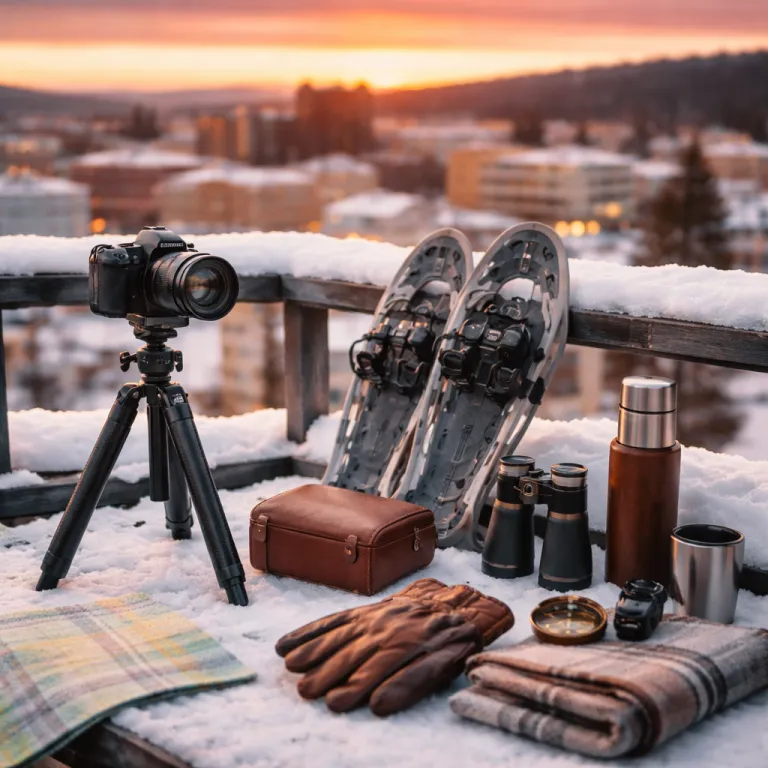
Planning what pack for a Fairbanks winter is essential for comfort and safety. Bring insulated boots, windproof outer layers, and thin gloves under thicker mittens for handling cameras during northern lights photography. If you are combining Fairbanks with other northern journeys, resources such as this essential guide to Haines and wider Alaska routes can help you align timings, routes, and expectations.
Hot springs, ice, and the soothing side of the subarctic
Balancing cold air with warm water is one of the most satisfying answers to what to do in Fairbanks Alaska. Many travellers plan a day or overnight stay at Chena Hot Springs Resort, where natural hot springs steam beneath the northern sky. The contrast between the hot water and the surrounding ice feels almost theatrical, especially during a Fairbanks winter night.
Chena hot springs sit along the Chena River corridor, a scenic drive from Fairbanks that passes forest, frozen wetlands, and occasional wildlife. At the resort, you can soak in the hot springs pool, then step into the ice museum where sculpted ice glows under coloured light. This pairing of hot and ice captures the essence of interior Alaska, where extremes coexist in a surprisingly gentle way.
Many visitors choose to stay overnight at Chena hot springs to increase their chances of seeing the northern lights. The resort offers aurora wake up calls, so you can rest between sky shows and still enjoy the best viewing times. When planning what pack for this part of your visit, include a swimsuit, sandals for walking on cold surfaces, and a warm hat you do not mind getting damp.
Those drawn to polar landscapes often combine Fairbanks with other high latitude journeys. For broader inspiration, you might explore a refined guide to beautiful Iceland for polar minded travellers, then compare geothermal pools there with the hot springs near Fairbanks. This wider perspective deepens your appreciation of how water, heat, and ice shape life across the Arctic regions.
National parks, the Arctic Circle, and day tours into Alaska’s wild
When you ask what to do in Fairbanks Alaska beyond the city, the answer often leads toward national park landscapes and Arctic highways. Denali National Park lies within reach for ambitious day tours in summer, or as an overnight side trip from a longer stay. Travellers speak of Denali as a place where scale resets, with broad valleys, braided rivers, and the distant mass of North America’s highest peak.
Organised tours from Fairbanks to Denali national park vary by season and style. In summer, you might join a day tour that combines scenic driving with short hikes and wildlife viewing, while in shoulder seasons some operators focus on photography and cultural history. Winter brings a quieter Denali, where snowshoeing and cross country skiing replace busier summer activities, and the park feels contemplative.
Another classic excursion from Fairbanks is the journey toward the Arctic Circle along the Dalton Highway. These tours often cross the Yukon River, explain the trans Alaska pipeline, and pause at the Arctic Circle sign for photographs and reflection. The road can be demanding, so guided tours are strongly recommended, especially in winter when ice and limited daylight add complexity.
Closer to Fairbanks, you can fill a day with gentler nature based things. Try ice fishing on a frozen lake with a local guide, learning how to drill through ice and manage lines in subzero air. If you are planning a broader polar itinerary that includes South American fjords, this Patagonia voyage from Buenos Aires to Cape Horn offers a useful contrast to Alaska’s interior landscapes.
Culture, downtown Fairbanks, and the character of the far north
Not every answer to what to do in Fairbanks Alaska involves snow or remote wilderness. The city’s cultural life, especially around downtown Fairbanks and the university, reveals how people have adapted to this northern environment. Galleries, performance spaces, and community events give structure to the long winter and celebrate the intense summer light.
The University of Alaska Museum of the North is a cornerstone of any cultural visit. Its collections trace Alaska’s natural history, Indigenous cultures, and contemporary art, helping you interpret everything from national park geology to northern lights lore. Spend a few hours here early in your stay, then let those insights inform later tours into the surrounding landscapes.
In and around downtown Fairbanks, you will find restaurants, cafés, and small shops that reflect both Alaska traditions and newer influences. Many travellers enjoy combining a day of cross country skiing or dog sledding with an evening tasting local seafood, game, or creative vegetarian dishes. This rhythm of outdoor exertion followed by warm interiors feels particularly satisfying during a Fairbanks winter, when the contrast between hot dining rooms and icy streets is pronounced.
Family friendly attractions add further depth to the list of things Fairbanks offers. The nearby North Pole community embraces its festive name with year round decorations, while the reindeer ranch at Running Reindeer provides intimate encounters with these Arctic animals. A guided walk at Running Reindeer Ranch, where you move quietly among the herd, can be as memorable as any national park tour or northern lights chase.
Animal encounters, snow adventures, and the joy of movement
For many visitors, what to do in Fairbanks Alaska centres on movement through snow and ice. Dog sledding remains one of the most evocative experiences, connecting you directly with a mode of travel that shaped Alaska’s history. Under the guidance of professional mushers, you learn how sled dogs work as a team, how to stand on the runners, and how to read the trail ahead.
Cross country skiing offers a quieter, more meditative way to explore the Fairbanks winter landscape. Groomed trails wind through birch and spruce forests, and rental equipment makes the sport accessible even for beginners. Local guides can design tours that match your fitness and interests, whether you prefer a short day outing or a longer glide under a pale northern sun.
Animal focused experiences extend beyond sled dogs. At the reindeer ranch near Fairbanks, often known as Running Reindeer Ranch, you can walk among reindeer while learning about their ecology and cultural significance across the Arctic. These tours feel both intimate and educational, and they complement more dramatic national park excursions or Arctic Circle drives.
Ice fishing adds another dimension to your stay, especially if you enjoy slow, contemplative activities. Guides provide heated shelters, equipment, and instruction, so you can focus on the rhythm of watching the line against the ice. When planning what pack for these days, include warm socks, spare gloves, and a thermos for hot drinks, as staying comfortable allows you to appreciate every subtle detail of the Fairbanks winter environment.
Practical planning for your Fairbanks stay and wider Arctic journeys
Thoughtful preparation turns the question of what to do in Fairbanks Alaska into a well paced itinerary. Start by deciding how many day tours you want to include, balancing national park excursions, hot springs visits, and cultural time in downtown Fairbanks. Then consider your priorities among northern lights viewing, snow based activities, and quieter pursuits such as museums or cafés.
Clothing is central to any Fairbanks winter plan, so think carefully about what pack. Use a layering system with moisture wicking base layers, insulating mid layers, and a windproof outer shell, then add insulated boots and a warm hat. This approach keeps you comfortable whether you are watching the northern lights, soaking in hot springs, or standing on a frozen lake for ice fishing.
Booking key elements in advance is wise, especially during peak northern lights season. Reserve aurora tours, dog sledding outings, and Chena hot springs stays early, and consult resources such as Explore Fairbanks for current events and local updates. Guided tours not only manage logistics but also deepen your understanding of Alaska’s ecology, culture, and safety considerations.
Finally, think of Fairbanks as part of a wider network of polar experiences, from Iceland’s geothermal fields to Antarctic voyages. Each region offers its own version of hot and ice, of national park wilderness and compact city life, and of northern or southern lights. By approaching your Fairbanks stay with curiosity and respect, you contribute to a style of travel that values both adventure and responsibility across the world’s coldest places.
Key statistics for planning a Fairbanks itinerary
- Average summer temperature in Fairbanks is around 21 °C, which supports comfortable hiking, river tours, and long daylight explorations.
- The northern lights viewing season in the Fairbanks region extends for about eight months, from late summer through spring, offering many chances to see aurora displays.
Essential questions about what to do in Fairbanks Alaska
When is the best time to see the northern lights in Fairbanks?
The best time to see the northern lights in Fairbanks runs from mid August to mid April, when nights are dark enough for aurora viewing. Within this broad window, equinox periods often bring more geomagnetic activity, though clear skies matter more than specific dates. Plan several nights focused on aurora tours or independent viewing to increase your chances.
What are popular summer activities in Fairbanks?
Popular summer activities in Fairbanks include hiking on nearby trails, joining river tours on the Chena River or other waterways, and attending cultural festivals that celebrate Alaska’s art, music, and heritage. Long daylight hours allow you to combine several things in one day, such as a museum visit followed by an evening river cruise. Many travellers also use Fairbanks as a base for summer trips to Denali National Park or other parts of interior Alaska.
