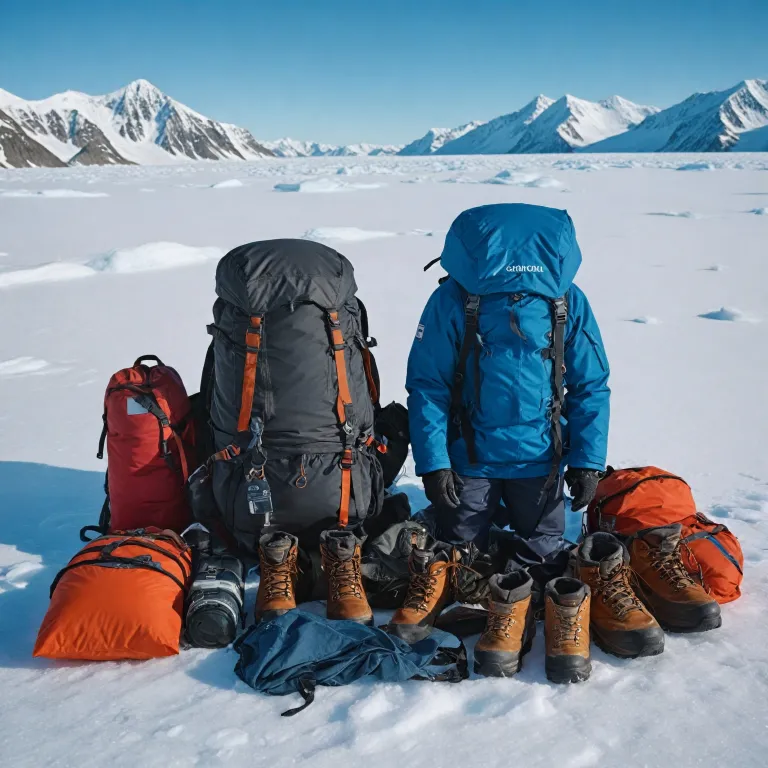
Understanding the essentials: Why your arctic expedition gear list matters
Embarking on an arctic expedition demands meticulous preparation, especially when it comes to your gear list. The Arctic and Antarctic environments are among the most extreme on the planet, with average winter temperatures dropping to -30°C. The right clothing and equipment are not just about comfort—they are essential for survival and enjoyment. Your arctic expedition gear list must prioritize warmth, layering, and waterproof protection to withstand the polar climate. Whether you are venturing to the Arctic Circle, exploring northeast Greenland, or preparing for an Antarctic cruise, the right gear will keep you safe and comfortable throughout your journey.
Layering is the foundation of any effective arctic expedition gear list. Start with base layers made of merino wool or wool synthetic blends, which wick moisture away from the skin and provide insulation. Add insulating layers for warmth, such as fleece or down, and finish with an outer shell that is both windproof and waterproof. This system allows you to adapt to changing conditions, whether you are on the ship or heading ashore. Remember to bring extra base layers and a full set of waterproof clothing, including waterproof pants and a jacket, to ensure you stay dry during polar activities.
Gloves are another critical component. Pack both lightweight liners and waterproof gloves to keep your hands warm and dry. A good pair of rubber boots is essential for ship-to-shore excursions, especially in wet or icy conditions. Do not forget to include a sleeping bag rated for extreme cold, as well as a packing list that covers all essentials, from headwear to socks. As Arctic Wilderness Guide Erä-Oula advises, "Ensure all gear is tested before departure." This practical step will help you identify any issues before you are in the field.
Layering strategies: Building warmth and flexibility for polar climates
Effective layering is the cornerstone of any arctic expedition gear list. Begin with a base layer that fits snugly against the skin, using merino wool or wool synthetic fabrics for optimal moisture management. These materials keep you dry and help regulate body temperature, which is vital in the polar regions. Over your base layers, add an insulating layer—such as a fleece or lightweight down jacket—to trap body heat and provide additional warmth.
The outer shell is your primary defense against wind, snow, and moisture. Choose a jacket and waterproof pants that are both breathable and fully waterproof. This combination will shield you from the elements while allowing sweat to escape, preventing you from becoming chilled. For those heading to Antarctica or the south pole, layering is especially important, as weather conditions can shift rapidly. Always pack extra layers in case your clothing becomes wet or damaged during your expedition.
Accessories are just as important as core clothing. Bring a full set of waterproof gloves, a warm hat, and a neck gaiter to protect exposed skin. For your feet, pack arctic-specific socks and a good pair of rubber boots designed for ship shore landings. If you are planning to wear arctic clothing for extended periods, consider bringing multiple pairs of gloves and socks to rotate throughout the day. For more detailed advice on layering and gear selection, consult our comprehensive polar clothing guide.
Footwear and hand protection: Keeping extremities warm and dry
Cold, wet extremities can quickly ruin an arctic expedition. Your arctic expedition gear list should include a good pair of waterproof rubber boots, which are essential for ship-to-shore transfers and walking on icy or slushy terrain. Look for boots with high insulation ratings and non-slip soles to ensure safety and warmth. Bring at least one extra pair in case your primary boots become wet or damaged.
Gloves are equally critical. Pack arctic-specific waterproof gloves for wet conditions, as well as insulated gloves for dry, cold days. Layering gloves—using a thin liner under a thicker, waterproof shell—offers flexibility and allows you to adjust to changing temperatures. Do not forget to bring extra pairs, as gloves can become damp from sweat or snow. For those traveling to northeast Greenland or the Antarctic, hand protection is especially important due to the risk of frostbite.
Consider the importance of base layers for your hands and feet. Merino wool or wool synthetic socks provide warmth and wick moisture away, keeping your feet dry during long days on the ice. Always pack arctic-specific socks in multiples, and rotate them regularly. For more tips on choosing the right footwear and gloves, visit our arctic gear essentials page.
Outerwear and insulation: Selecting jackets, pants, and sleeping bags
Choosing the right outerwear is a pivotal part of your arctic expedition gear list. A high-quality outer shell jacket and waterproof pants are non-negotiable for polar expeditions. These garments must be both windproof and waterproof to protect against snow, sleet, and icy winds. Look for features such as adjustable hoods, sealed seams, and ventilation zippers for added comfort and adaptability.
Insulation is equally important. Down jackets offer excellent warmth-to-weight ratios, but synthetic insulation can perform better in wet conditions. Consider packing both types if space allows. For those planning to wear antarctica-specific clothing, ensure your outerwear is rated for extreme cold and has enough room for multiple layers underneath. Bring extra insulation pieces, such as vests or mid-layer jackets, to adapt to varying temperatures throughout your journey.
Sleeping arrangements require special attention. Pack a sleeping bag rated for temperatures well below freezing, ideally with a full-length zipper and a hood for maximum warmth. If you are participating in a polar expedition that involves camping, bring a sleeping pad for insulation from the ground. Always include a packing list to check off each item before departure.
Packing tips and essential extras for your arctic expedition
Beyond clothing, your arctic expedition gear list should include a range of essential extras. Pack arctic-specific accessories such as sunglasses with UV protection, sunscreen, and lip balm to guard against sun and wind exposure. Bring extra batteries for all electronic devices, as cold temperatures can rapidly drain battery life. A durable, waterproof backpack is vital for carrying gear during daily excursions.
Personal hygiene items, such as biodegradable soap and quick-dry towels, are important for maintaining comfort and cleanliness. Include a basic first aid kit with supplies for blisters, minor injuries, and common ailments. For those traveling to the arctic circle or embarking on an arctic cruise, consider bringing motion sickness medication and sea bands for ship travel. Always pack extra clothing, including base layers and socks, to ensure you have dry options available at all times.
Navigation tools, such as a compass and GPS device, are essential for self-guided expeditions. For guided tours, your expedition company will often provide detailed packing lists and may supply certain items, such as rubber boots or waterproof gloves. As Quark Expeditions recommends, "Pack extra batteries as cold reduces battery life." This advice is especially relevant for those relying on electronic devices in remote areas.
Preparing for ship and shore: Adapting your gear for every environment
Arctic expeditions often involve a combination of shipboard living and shore excursions. Your arctic expedition gear list should be versatile enough to handle both environments. Onboard the ship, wear comfortable, warm clothing in layers, and keep a pair of slip-resistant shoes for moving around safely. For shore landings, switch to waterproof pants, a full outer shell, and rubber boots to handle wet, icy, or muddy conditions.
Pack arctic-specific clothing in a way that allows for quick changes between ship and shore. Use dry bags to keep extra clothing and electronics protected from moisture. Bring a compact daypack for carrying essentials during excursions, such as snacks, water, and a camera. For those participating in a polar expedition or traveling to the south pole, adaptability is key, as weather and terrain can change rapidly.
Ship shore operations may require additional gear, such as trekking poles or crampons, depending on the itinerary. Always consult your expedition company’s packing list and ask about gear provided on board. As Arctic Adventures suggests, "Stay hydrated and maintain calorie intake to combat cold." This practical tip will help you maintain energy and warmth during both ship and shore activities.
Expert advice and innovations: Staying safe and comfortable on polar journeys
Expert guidance is invaluable when assembling your arctic expedition gear list. Expedition organizers and guides, such as Arctic Adventures and Arctic Wilderness Guide Erä-Oula, offer detailed packing lists and advice tailored to specific routes and activities. Their expertise ensures you bring the right combination of warm layers, waterproof clothing, and essential extras for your journey.
Recent innovations in gear materials have enhanced safety and comfort for polar travelers. Lightweight, high-insulation fabrics, such as advanced merino wool and synthetic blends, provide superior warmth without bulk. Waterproof gloves and outer shells now offer improved breathability, reducing the risk of overheating during strenuous activities. For those planning to wear arctic or wear antarctica gear, these advancements make it easier to pack efficiently while staying protected.
Safety and preparedness are top priorities for any polar expedition. Training in cold-weather survival, navigation, and first aid is increasingly emphasized by expedition companies. As interest in eco-friendly expeditions grows, many travelers are choosing gear made from sustainable materials. For more information on preparing for a polar journey, consult the resources provided by experienced partners and research institutions.
Key statistics for arctic expedition gear preparation
- Average Arctic winter temperature: -30°C
- Number of Arctic expeditions annually: 500 expeditions
Frequently asked questions about arctic expedition gear lists
What is the best time of year for an Arctic expedition?
The best time is typically late winter to early spring when conditions are more stable.
How do I prepare physically for an Arctic expedition?
Engage in cardiovascular and strength training, focusing on endurance and cold-weather acclimatization.
What are the risks associated with Arctic expeditions?
Risks include extreme cold, unpredictable weather, and potential encounters with wildlife.
Trusted sources: Arctic Adventures, Arctic Wilderness Guide Erä-Oula, Quark Expeditions
