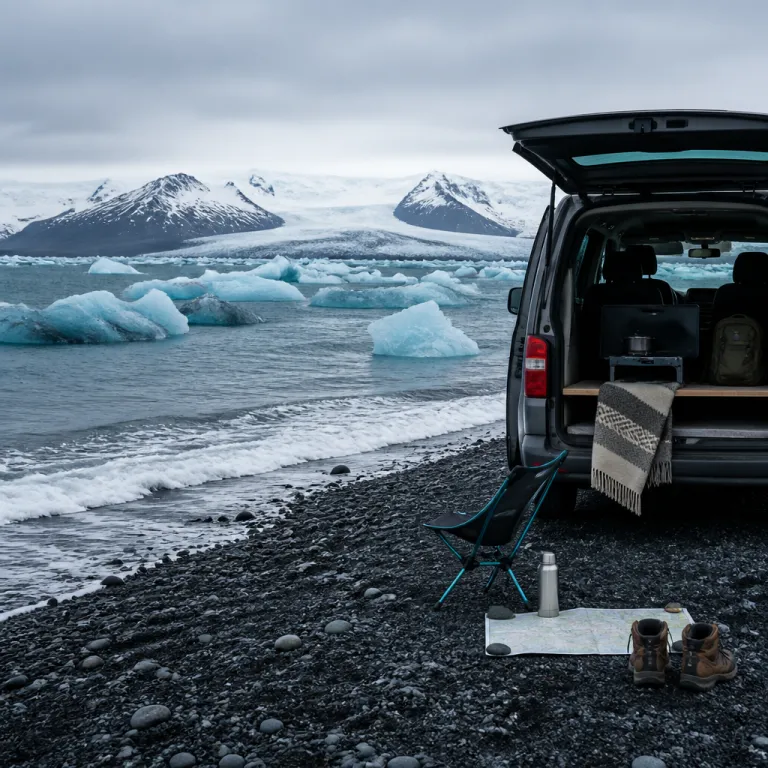
Why Iceland on a budget matters for polar minded travelers
Iceland sits between the Arctic and your Antarctic dreams, making it a smart testing ground for polar travel skills. If you can manage a tightly planned Iceland budget, you will handle the higher cost and logistics of an Arctic cruise or a future Antarctic trip with far more confidence. With Icelandic prices often feeling expensive, learning to track every cost in ISK prepares you for the realities of remote regions where a single day can reshape your entire budget.
Many travelers planning to visit Iceland also hope to travel further north to Svalbard or south to the Antarctic Peninsula, so this first trip becomes a financial dress rehearsal. You learn how much gas a rental car really uses on a long road trip, how to find free experiences that still feel luxurious, and how to judge when a paid tour is worth the money. Those same instincts will guide you when you compare the cost ISK equivalent of a zodiac excursion in Greenland or a kayaking add on in Antarctica.
For budget travelers, the key question is not whether Iceland is expensive, but how to shape spending so it reflects polar priorities. Do you allocate more money to a northern lights excursion or to a guided hike on the south coast that teaches skills useful on icy Antarctic landings? Do you choose a shorter stay focused on the Golden Circle, or a longer ring road journey that mirrors the rhythm of a full polar expedition? Thinking this way turns every Iceland travel choice into training for the wider Arctic and Antarctic world.
Building a realistic Iceland budget using polar style planning
Planning Iceland on a budget starts with accepting that the average daily budget for budget travelers is around 20 000 ISK, which already feels high compared with many destinations. That figure, drawn from practical Icelandic travel guides, recent price snapshots from cost of living databases such as Numbeo, and current campsite and hostel price lists, includes basic food, simple accommodation, and local transport, and it mirrors the disciplined cost tracking you will later need for Arctic and Antarctic voyages. When you frame each trip Iceland decision against that 20 000 ISK benchmark, you quickly see which things Iceland offers for free and which experiences demand serious money.
To save money, think like an expedition planner and separate fixed and variable costs in your Iceland trip. Fixed costs include flights to Reykjavík, core travel Iceland insurance, and any essential gear that will later serve you in polar regions, such as a waterproof shell or thermal layers. Variable costs cover food, gas for a rental car, optional tours to hot springs or the Blue Lagoon, and extra nights along the south coast or the Snæfellsnes Peninsula, and these are where you can adjust your budget in real time.
Camping and self catering are the two most powerful levers for anyone managing Iceland on a budget. A campsite might cost around 2 000 ISK per night in low season and 2 500–3 000 ISK in summer, according to published price lists from popular sites such as Reykjavík Campsite and Vík Camping, while a hot dog at Bæjarins Beztu in Reykjavík can be about 500–700 ISK depending on the year, and those numbers anchor your sense of cost ISK when you later compare shipboard prices in the Arctic. If you want a deeper breakdown of how to save money across multiple polar regions, the guide on smart budgeting for Arctic and Antarctic travel shows how the same principles apply from Iceland to the Ross Sea.
To make these numbers more concrete, imagine a sample five day shoulder season budget for one traveler: 20 000 ISK per day for food, fuel, and local transport (100 000 ISK total), 3 000 ISK per night for five nights of camping (15 000 ISK), 10 000 ISK for one carefully chosen paid activity such as a glacier hike, and 5 000 ISK for parking fees and small extras. That adds up to roughly 130 000 ISK on the ground, excluding flights and major gear, and gives you a realistic template for comparing future Arctic and Antarctic itineraries.
Timing your Iceland trip and choosing routes that echo polar expeditions
The best time to visit Iceland on a budget is usually the shoulder seasons, when the cost of flights and accommodation drops but the weather still allows flexible travel. Planning your trip three to six months ahead often secures lower ISK rates, and that same early booking habit will later reduce the cost of Arctic cruises or Antarctic voyages. Shoulder season light also gives you a better chance to see the northern lights without peak season crowds, which is ideal if you want to test your night photography skills before heading deeper into the polar regions.
Route choice in Iceland can mirror the structure of a polar expedition, helping you refine your travel style. A short Reykjavík based stay with day trips to the Golden Circle works like a compact Arctic cruise, with a fixed base and curated excursions to waterfalls, geysers, and nearby hot springs. A full ring road road trip, by contrast, feels closer to a long Antarctic voyage, where each day brings new black sand beaches, south coast cliffs, or the wild landscapes of the Snæfellsnes Peninsula, and your budget must stretch across many remote stops.
To make this more concrete, imagine a five day shoulder season itinerary for Iceland on a budget: day one in Reykjavík using airport buses and walking tours; day two on a self driven Golden Circle loop; day three and four exploring the south coast with one night at a simple guesthouse near Vík; and day five returning via the Reykjanes Peninsula. Early booking patterns matter for Iceland on a budget just as they do for polar voyages. Studying how expedition companies structure offers, such as those highlighted in analyses of early booking windows for polar expeditions, teaches you when to commit and when to wait. Apply that same mindset to Icelandic car rental deals, ring road guesthouses, and guided northern lights tours, and your Iceland budget will feel far more controlled.
Transport choices in Iceland that prepare you for remote polar logistics
Transport is where many travelers see how Iceland expensive realities can quickly erode a budget, especially when they underestimate gas prices or overestimate how far they can drive in a day. Choosing between a rental car, a campervan, or public buses is not only a financial decision but also a rehearsal for the logistical trade offs you will face in the Arctic and Antarctic. Ask yourself how much independence you really need on this Iceland trip, and how that preference will translate to zodiac landings or shore excursions in polar regions.
For maximum flexibility on Iceland on a budget, a small rental car often beats larger vehicles, because it uses less gas and fits easily into tight parking spots near popular things Iceland is famous for, such as black sand beaches or geothermal hot springs. Public buses can be cheaper in pure cost ISK terms, but they limit your ability to chase clear skies for the northern lights or to linger on the south coast when the light turns perfect. Many budget travelers now choose campervans, blending car rental and accommodation, yet you must factor in campsite fees, extra fuel, and the wear of long ring road days.
Whatever you choose, track every travel cost in a simple spreadsheet or notebook, just as you would on a ship based Arctic or Antarctic itinerary. Note how much money you spend on gas per 100 kilometres, how often tolls or parking fees appear, and how weather changes your daily plan and your budget. One traveler, Anna, described writing down every fuel stop and campsite fee during a ten day loop and later using those notes to compare the cost ISK equivalent of different Arctic cruise itineraries. Those habits will prove invaluable when you read about new polar regulations on emissions and black carbon, such as the analysis of what black carbon rules mean for your next booking, and need to judge whether a slightly higher ticket price reflects more sustainable travel.
Food, activities, and free experiences that stretch your Iceland budget
Food is often the line where visitors feel that Iceland expensive reputation is fully justified, yet it is also where you can save money most effectively. Shopping at budget supermarkets such as Bónus or Krónan, cooking simple Icelandic inspired meals, and carrying snacks on every day trip can cut your daily cost in ISK dramatically. Eating one hot meal out in Reykjavík or along the ring road and self catering the rest keeps your Iceland on a budget plan intact without sacrificing the pleasure of local food.
When it comes to activities, remember that many of the best things Iceland offers are free or very low cost. Waterfalls, coastal hikes, black sand beaches on the south coast, and roadside hot springs often require only a parking fee or nothing at all, which is ideal training for appreciating the non commercial richness of Arctic and Antarctic landscapes. Paid highlights such as the Blue Lagoon, guided northern lights tours, or glacier hikes should be chosen carefully, with each trip Iceland splurge weighed against what it teaches you about cold weather comfort, gear, and your own travel priorities.
To keep your Iceland budget aligned with future polar goals, treat every activity as a skills workshop. A simple hike on the Snæfellsnes Peninsula becomes practice in layering clothing and reading weather, while a long day of driving the ring road tests your stamina for extended travel days on an expedition ship. As one practical guide to the region puts it, "With careful planning, Iceland can be visited on a budget", and that same careful planning will later make your Arctic and Antarctic journeys both richer and more sustainable.
From Iceland on a budget to confident Arctic and Antarctic travel
Once you have managed Iceland on a budget successfully, you hold a realistic template for polar travel that goes far beyond this single island. You will know how much daily cost in ISK feels comfortable, how to balance free experiences with paid highlights, and how to adapt when weather reshapes your trip. That knowledge transfers directly to Arctic voyages around Svalbard or Greenland and to Antarctic expeditions along the Antarctic Peninsula or the Weddell Sea.
Think of your Iceland trip as a live training ground where every decision refines your polar travel instincts. Choosing whether to rent a car or rely on buses mirrors the choice between a small expedition ship and a larger vessel, each with different budget and experience implications. Deciding whether to chase the northern lights on a cloudy night or to rest for a long south coast drive the next day echoes the trade offs you will later make between back to back zodiac landings and quiet time on deck watching icebergs.
Over time, the habits you build while keeping an Iceland budget will shape a more thoughtful approach to all remote travel. You will question marketing claims more sharply, compare cost ISK equivalents across currencies, and ask how each expense supports local communities and fragile environments. That mindset not only helps you save money, it also aligns your Iceland trip and your future Arctic and Antarctic journeys with the values of responsible, low impact exploration that these regions urgently need.
Key figures for Iceland on a budget and polar planning
- Average daily budget for budget travelers in Iceland is around 20 000 ISK, which sets a realistic baseline for comparing the higher per day costs of Arctic and Antarctic voyages (data from specialized Iceland travel guides and recent cost of living databases such as Numbeo, checked for seasonal variation and updated against current Visit Iceland tourism statistics).
- Typical camping fees in Iceland can be about 2 000 ISK per night in spring and autumn and 2 500–3 000 ISK in peak summer, according to published price lists from major campsites, meaning that a ten night ring road road trip using campsites may cost the same in accommodation as only two or three nights in mid range city lodging.
- A classic Reykjavík street food option, the hot dog at Bæjarins Beztu, can cost around 500–700 ISK depending on the year and exchange rate, offering a benchmark for low cost meals when you calculate how often you can afford to eat out on a tight Iceland budget.
- Planning three to six months ahead for Iceland often secures noticeably lower prices on flights and accommodation, mirroring the early booking advantage seen on many Arctic and Antarctic expedition cruises and confirmed by fare comparison tools that track seasonal price swings.
- Many of Iceland’s headline natural attractions, including waterfalls, coastal viewpoints, and hiking trails, remain free to visit, which significantly reduces the overall cost of a trip compared with destinations where every major site charges an entrance fee; official tourism statistics from Visit Iceland regularly highlight this as a key advantage for budget conscious visitors.
FAQ about Iceland on a budget for polar focused travelers
Is Iceland affordable for budget travelers who love polar regions ?
With careful planning, Iceland can be visited on a budget, especially if you camp, self cater, and prioritize free natural attractions over costly tours. The country is still relatively expensive compared with many destinations, but disciplined choices around food, transport, and timing keep the overall cost manageable. Those same habits will help you handle the higher prices of Arctic and Antarctic expeditions later.
What is the cheapest way to travel around Iceland ?
The cheapest way to travel around Iceland is usually a mix of public buses and occasional shared car rental, although this limits flexibility for chasing the northern lights or exploring remote areas. Renting a small fuel efficient car and camping can be cost effective for two or more people who split gas and campsite fees. Some travelers also use hitchhiking in rural areas, but this requires caution and flexibility with time.
Are there free attractions in Iceland that feel as special as paid tours ?
Many natural attractions in Iceland are free to visit, including major waterfalls, coastal viewpoints, and numerous hiking trails. Black sand beaches on the south coast, geothermal areas along the Golden Circle, and dramatic cliffs on the Snæfellsnes Peninsula all offer world class scenery without entrance fees. You may pay for parking in some locations, but the overall cost remains low compared with guided excursions.
How far in advance should I plan an Iceland trip on a budget ?
Planning your Iceland trip three to six months in advance usually gives you the best balance between choice and price for flights, accommodation, and car rental. Early planning is especially important if you want to travel in peak northern lights season or to drive the full ring road. The same early booking discipline will later help you secure better cabin options and fares on Arctic and Antarctic voyages.
What skills from an Iceland budget trip help with Arctic and Antarctic travel ?
An Iceland budget trip teaches you to track daily costs, manage food and fuel efficiently, and adapt plans quickly to changing weather. You also gain experience with layering clothing, handling long travel days, and judging when a paid activity is worth the money. All these skills transfer directly to ship based expeditions in the Arctic and Antarctic, where conditions are harsher and financial stakes are higher.
