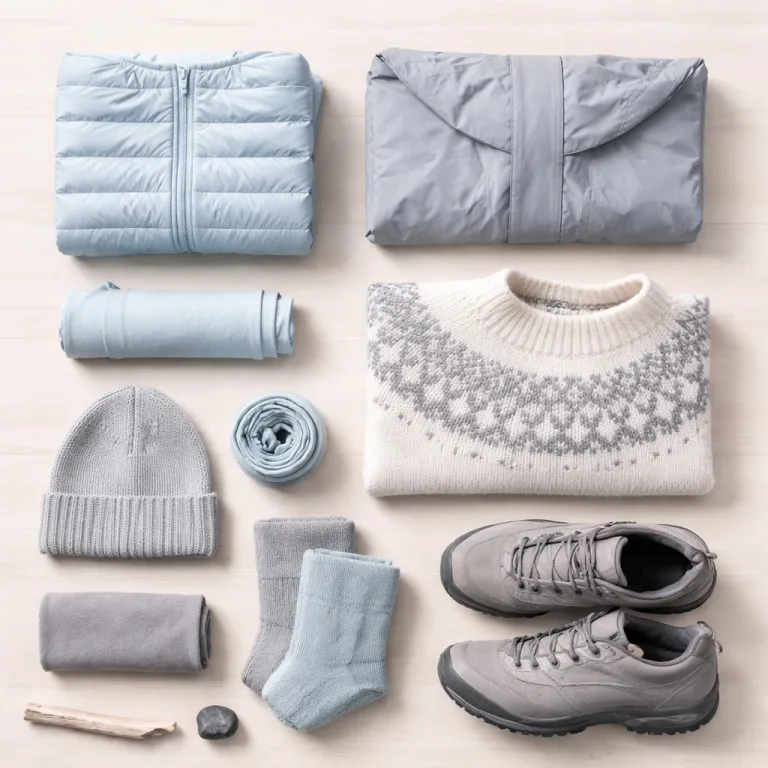
Understanding Iceland August weather and why layers matter
Planning what to wear in Iceland in August starts with understanding the weather. Average highs hover around 13 °C and lows around 8 °C, yet strong wind and sudden rain can make days feel cooler. Early Iceland summer days are milder, while late August brings more frequent showers and brisk evenings.
This is why every traveler should think in terms of one base layer, one insulating layer, and one protective outer layer. These layers let you adapt quickly when a sunny Reykjavik morning turns into sideways rain by afternoon, which often happens during Iceland August transitions. When you pack layers intelligently, you keep warm without overstuffing your luggage or sacrificing comfort during long days outside.
Your first priority is to bring clothing that is reliably waterproof and genuinely wind resistant. A high quality waterproof jacket, ideally both waterproof windproof and breathable, will shield you from rain and sea spray along the coast. Pair it with waterproof pants or at least water resistant over trousers, because volcanic gravel and wet grass can soak regular pants within minutes.
Underneath, focus on wool and technical fabrics rather than cotton, which stays damp and cold. A thin thermal base layer top and leggings help keep warm on cooler days, while a mid weight wool sweater or fleece adds adaptable insulation. With this system, what to wear in Iceland in August becomes less about single items and more about flexible layers that work together.
Building a practical packing list for Iceland summer
Creating a smart packing list for Iceland summer means balancing warmth, waterproof protection, and versatility. Start with two or three moisture wicking base layer tops and one pair of thermal leggings for chillier Iceland August evenings. Add two mid layers, such as a wool sweater and a technical fleece, so you can rotate pieces as they dry between rainy days.
For your outer layer, pack one robust waterproof jacket with a hood and sealed seams. This waterproof jacket should also be windproof, because windchill near waterfalls or on coastal walks can be intense even in summer. Complement it with waterproof pants or at least water resistant rain pants that you can pull over regular pants when showers arrive suddenly.
On your feet, waterproof hiking boots are essential for trails, lava fields, and wet mossy ground. Choose waterproof hiking boots with good ankle support and grippy soles, then add wool socks to keep warm even if your feet get damp. Many travelers also pack lightweight flip flops for hot springs, communal showers, and to give feet a break from boots in the evenings.
When you consider what pack for wear Iceland conditions, think about your planned activities. Birdwatchers heading to coastal cliffs or Svalbard style expeditions can benefit from guidance similar to this detailed advice for Arctic birding enthusiasts. Whatever your itinerary, what wear choices should always prioritise comfort, safety, and the ability to keep warm in unpredictable weather.
How to dress for rain, wind, and variable summer days
Even during Iceland summer, you should expect frequent rain and strong gusts of wind. Late Iceland August often brings increased rainfall, so waterproof and water resistant gear becomes non negotiable. Think of what to wear in Iceland in August as a weather management strategy rather than a simple outfit decision.
Start with a breathable base layer that moves sweat away from your skin. Add a warm mid layer, such as a wool sweater or insulated fleece, which you can remove quickly if the sun appears. Your outer layer should be a durable waterproof jacket paired with waterproof pants or at least reliable rain pants for longer hikes.
Waterproof hiking boots are crucial when trails turn muddy or when you approach waterfalls and glacial rivers. Many travelers underestimate how quickly spray and puddles can soak regular shoes, which then struggle to keep warm. Pack extra wool socks and consider a spare base layer top in your daypack, so you always have something dry to change into.
For coastal excursions or wildlife watching, a fully waterproof windproof shell will shield you from chill and spray. If your journey extends further south to sub Antarctic regions, clothing principles remain similar to those used by travelers exploring the windswept bird cliffs of Patagonia. In every case, what pack decisions should prioritise layers that keep warm, stay dry, and adapt gracefully to rapid weather shifts.
Footwear, accessories, and what to wear for hot springs
Choosing the right footwear is as important as deciding what to wear on top. For most travelers, one pair of sturdy waterproof hiking boots will cover city walks, coastal paths, and moderate trails. These waterproof hiking boots should fit well with thick wool socks, which help keep warm and reduce blisters on long days.
In addition to boots, pack lightweight flip flops for hot springs and geothermal pools. Walking around changing areas and rocky edges in flip flops keeps your feet clean and protects soles from rough ground. They also give your feet a welcome break from heavier boots after long Iceland August hikes.
Accessories complete your what to wear in Iceland in August strategy. A warm hat, thin gloves, and a neck gaiter or scarf can transform a chilly evening into a comfortable one. Even in Iceland summer, wind near waterfalls or on boat tours can bite, so these small items help keep warm without adding much weight to your packing list.
For evening strolls or potential northern lights outings later in the month, bring an extra base layer and your most reliable outer layer. While northern lights sightings in August are not guaranteed, darker nights towards the end of Iceland August make them slightly more plausible. Whatever the sky delivers, you will appreciate having clothing that lets you stand comfortably outside for extended periods.
Outfit planning for city days, road trips, and outdoor adventures
When you plan what to wear in Iceland in August, think in terms of scenarios. City days in Reykjavik call for comfortable pants or jeans, a wool sweater, and a water resistant jacket you can wear indoors and out. Add a compact waterproof jacket in your daypack, because showers can sweep across the capital with little warning.
For road trips around the Ring Road or into the Westfjords, layers become even more important. You might start the morning in mild Iceland summer sunshine, then face strong wind and rain at a waterfall by midday. Keep rain pants, an extra base layer, and a warm hat within reach in the car, so you can adjust quickly at each stop.
Outdoor adventures such as glacier walks, longer hikes, or boat tours demand a more technical packing list. Wear Iceland appropriate clothing by combining a moisture wicking base layer, insulating mid layer, and a robust waterproof windproof shell. Waterproof pants and waterproof hiking boots will help keep warm when you stand on wet ice or deck surfaces for extended periods.
Travelers heading onwards to polar wildlife voyages can apply similar principles, whether watching whales off the coast or planning an Antarctic cruise informed by this expert guidance on how to see penguins in Antarctica. In every context, what pack decisions should emphasise comfort, safety, and the ability to enjoy long days outdoors without worrying about the weather. With thoughtful layers, you will be ready for both relaxed city cafés and windswept viewpoints.
Sample packing list and expert backed essentials for Iceland August
To translate all this advice into practice, it helps to see a concise yet flexible packing list. For tops, bring two or three base layer shirts, two mid layers such as a fleece and a wool sweater, and one casual shirt for indoor wear. For bottoms, pack one pair of durable pants, one lighter pair for city days, and one set of waterproof pants or rain pants for outdoor excursions.
Your outer layer system should include one high quality waterproof jacket that is also windproof, plus a lighter water resistant jacket or shell for milder Iceland summer days. Footwear should cover waterproof hiking boots, casual shoes for evenings, and flip flops for hot springs and shared showers. Add three to four pairs of wool socks, one warm hat, thin gloves, and a neck gaiter to keep warm when temperatures dip.
For accessories, what pack choices might include a compact umbrella, though wind often makes umbrellas impractical. A dry bag or water resistant backpack cover helps protect cameras and phones during heavy rain. Remember that “Is it necessary to bring waterproof clothing to Iceland in August? Yes, due to unpredictable rain.”
Finally, keep in mind the key climate figures that shape what to wear in Iceland in August. “What is the average temperature in Iceland in August? Average highs around 13°C; lows around 8°C.” and “What type of footwear is recommended for Iceland in August? Waterproof hiking boots.” These expert backed numbers and recommendations underline why layers, waterproof protection, and thoughtful packing remain essential for a comfortable and rewarding journey.
Key Iceland August weather statistics for travelers
- Average daytime high temperature in Iceland August is around 13 °C, which can feel cooler in strong wind or coastal areas.
- Average nighttime low temperature in Iceland August is about 8 °C, making warm layers and a reliable base layer important for evenings.
- Average precipitation during Iceland August is approximately 60 mm, with increased rainfall more likely towards the end of the month.
- Early Iceland summer days in August tend to be milder, while mid to late month often brings cooler evenings and more frequent rain.
Essential questions about what to wear in Iceland in August
What is the average temperature in Iceland in August ?
The average temperature during Iceland August typically ranges from about 8 °C at night to around 13 °C during the day. Wind and humidity can make it feel cooler, especially near the coast or waterfalls. This is why travelers should focus on layers that help keep warm rather than relying on a single heavy jacket.
Is it necessary to bring waterproof clothing to Iceland in August ?
Yes, bringing waterproof clothing is strongly recommended for Iceland summer travel. Rain can arrive quickly, and showers are common, particularly in late August when overall precipitation increases. A waterproof jacket, waterproof pants or rain pants, and waterproof hiking boots will help you stay dry and comfortable throughout changing weather.
What type of footwear is recommended for Iceland in August ?
Waterproof hiking boots are the most practical choice for what to wear in Iceland in August. They provide grip on wet rocks, gravel, and muddy trails, while helping keep warm during long days outside. Pair them with wool socks and pack flip flops for hot springs and indoor areas to complete a versatile footwear strategy.
