What to wear in Alaska in July for variable coastal and inland weather
Planning what to wear in Alaska in July starts with understanding how quickly conditions shift between coast and interior. Daytime temperatures in many regions often range from about 13 °C to 21 °C (55 °F to 70 °F), so your clothing must adapt rather than aim for a single perfect outfit. Thinking in terms of flexible layers keeps you comfortable from misty mornings to bright, surprisingly warm afternoons.
When you pack for an Alaska summer trip, think in three layers that you can add or remove. A moisture wicking base layer regulates sweat, a light insulating mid layer adds warmth, and a windproof, waterproof shell protects you from rain and coastal wind, helping you stay dry during long days outside. This flexible system is the same principle used on polar expeditions and it works just as well for city strolls, national park visits, or shore excursions on an Alaska cruise.
Quick Alaska layering checklist
- Base: 1 breathable synthetic or merino top (no cotton)
- Mid: 1 thin fleece or light down / synthetic sweater
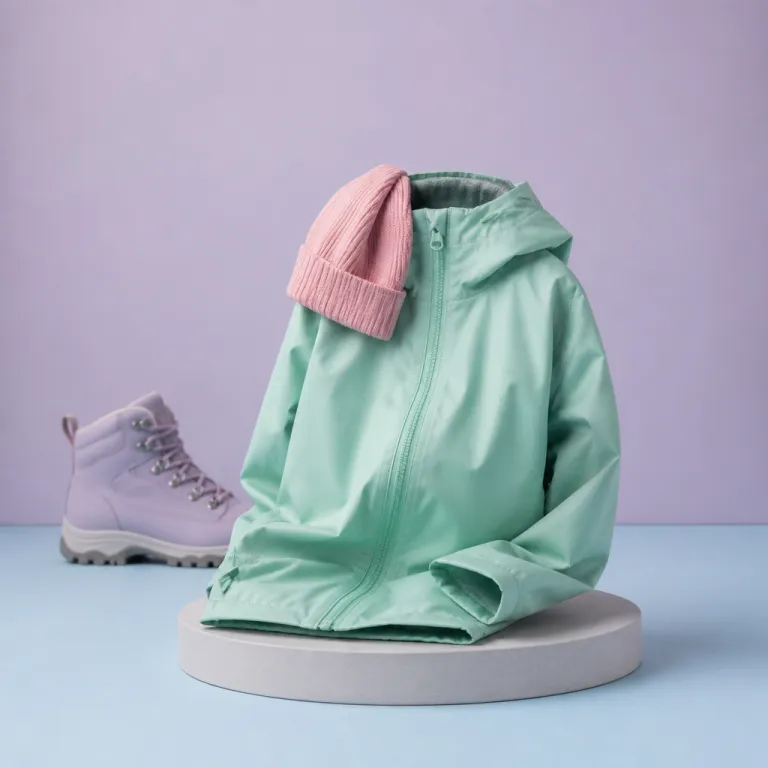
- Shell: 1 lightweight, fully waterproof rain jacket with hood
- Legs: quick drying hiking pants, optional thin thermal leggings
- Feet: wool or synthetic socks, waterproof hiking shoes
- Extras: warm hat, light gloves, neck gaiter or scarf
For your base layer, choose breathable synthetic or merino tops rather than cotton, because they dry faster and will keep you warm even when damp. Over that, pack a thin fleece or light down sweater, which you can wear Alaska style under a shell for early morning wildlife tours or glacier viewing. The outer shell should be a lightweight rain jacket with a hood, fully waterproof rather than only water resistant, since July showers in Alaska can be persistent and wind driven.
Building an Alaska packing list using the polar layering method
A smart Alaska packing list for July borrows heavily from Arctic expedition practice, where layering is non negotiable. The same method that keeps travelers comfortable in Zodiac spray in Antarctica translates beautifully to summer outfits for Alaska, especially on cruises and coastal tours. For a deeper breakdown of the layer system that actually works, see this detailed guide on the polar expedition packing layer system, then adapt it to milder Alaska summer conditions.
Start your Alaska packing with two or three moisture wicking base tops, one or two light long sleeve shirts, and at least one warm fleece or synthetic insulated jacket. This core set will help you adjust quickly when a sunny deck on an Alaskan cruise turns chilly as the ship enters a narrow fjord. For legs, your suitcase should include one pair of quick drying hiking trousers, one slightly warmer softshell pair, and perhaps lightweight thermal leggings for colder days in Denali National Park or other higher elevation national parks.
Outer layers are where many travelers under pack Alaska essentials, especially for rain and wind. A fully waterproof shell jacket with taped seams, plus waterproof over trousers, will keep you dry during long hiking days or while you view glaciers from a small boat. When you pack Alaska gear, do not forget a compact packable down or synthetic jacket, which you can compress into a daypack and bring on every excursion in case the temperature drops suddenly.
Footwear and accessories for Alaska cruises, tours, and shore excursions
Footwear often decides whether your Alaska trip feels effortless or exhausting, especially when you move between ship decks, forest trails, and wet docks. For what to wear in Alaska in July on your feet, prioritize waterproof hiking shoes or light boots with good grip, rather than heavy mountaineering boots that are unnecessary for most standard tours. As the expert guidance notes, “Waterproof, comfortable hiking shoes are ideal.”
For an Alaska cruise, pack one pair of sturdy hiking shoes for shore excursions and one pair of casual trainers or slip ons for time on board. This simple footwear packing list will help you stay comfortable whether you are walking around a national park visitor center, joining tours Alaska operators run to glaciers, or exploring small coastal towns. If your itinerary includes fishing or kayaking, bring water friendly shoes or sandals with secure straps, because flip flops will keep slipping and offer little protection on wet, uneven surfaces.
Accessories complete your July wardrobe for Alaska and often weigh very little in your luggage. A warm beanie, a light headband, and a pair of thin gloves can transform a chilly glacier viewing session into a pleasure, especially when the wind picks up on open decks during cruises. Sunglasses with strong UV protection, a sun hat with a brim, and high SPF sunscreen are essential too, because the long Alaska summer sun hours and reflective water surfaces can cause unexpected sunburn even when the air feels cool.
When you prepare what to pack for an Alaskan cruise, include a small dry bag or waterproof pouch for cameras and phones during shore excursions. This simple piece of gear will help protect electronics from spray and rain while you focus on the view. For evenings on board, outfit choices can stay relaxed but practical; a pair of dark jeans, a merino sweater, and a light scarf will keep you warm without feeling overdressed.
What to wear in Alaska in July for national parks, hiking, and fishing
Travelers often ask what to wear in Alaska in July when their itinerary focuses on hiking and national parks rather than cruises. The answer is to think like a light expedition traveler, balancing warmth, weather protection, and freedom of movement. When you pack Alaska clothing for trails, your goal is to stay warm without overheating as you climb, then avoid chilling when you stop to admire the view.
For day hikes in Denali National Park, Kenai Fjords National Park, or other national parks, wear Alaska appropriate layers starting with a breathable base top, hiking trousers, and wool or synthetic socks. Add a fleece or light insulated jacket, then carry a waterproof shell in your daypack, because mountain weather in Alaska will change quickly even in the height of summer. A simple hiking packing list might include two hiking outfits, one set of thermal leggings, a warm hat, gloves, and a neck gaiter, which will help you adapt to early morning chill or windy ridgelines.
If your Alaska trip includes fishing, what to wear shifts slightly toward water protection and warmth during long periods of low activity. Bring quick drying trousers, a thermal top, and a waterproof jacket, plus consider renting waders locally rather than trying to pack heavy gear. For both hiking and fishing, do not forget insect repellent and a light bug net hat, because Alaska summer mosquitoes can be intense near wetlands and lakes, and this small item will keep you far more comfortable.
Travelers sometimes hope to see the northern lights during an Alaska summer visit, but the long daylight hours in July mean aurora viewing is extremely unlikely. If you plan a later season return to chase the northern lights, you will need a much warmer packing list with heavier insulated layers and winter boots. For now, focus your July Alaska clothing planning on versatile three season gear that works from coastal rainforests to interior parks.
For more detail on expedition style clothing choices that also apply to Alaska, you can review this comprehensive guide to what to pack for an Antarctic cruise and then scale down insulation levels for milder Alaska conditions. The principles of layering, moisture management, and wind protection remain the same. Adapting those polar strategies will help you refine exactly what to pack for your own Alaska best adventure.
City days, Alaska cruises, and how to balance style with practicality
Not every day in Alaska in July is spent hiking or fishing, so your wardrobe must also cover city strolls, museum visits, and relaxed evenings on an Alaska cruise. In Anchorage, Juneau, or Ketchikan, you will want outfits that feel comfortable in cafés and galleries yet still handle sudden showers. A refined but practical capsule wardrobe will keep your luggage light while still offering enough variety for a longer trip.
For city days, pack one or two pairs of dark jeans or travel trousers, several breathable tops, and a smart casual sweater or cardigan that you can layer under your waterproof shell. This combination will help you move easily from a morning walk along the coastal trail to an afternoon in a museum, then to dinner with a harbor view. Footwear can be simpler than for hiking; one pair of waterproof trainers or leather walking shoes will keep your feet dry while still looking polished enough for most restaurants.
On an Alaska cruise, clothing choices should prioritize warmth on deck and comfort indoors, rather than formalwear. Many Alaskan cruise itineraries now lean toward relaxed dress codes, so a neat pair of trousers, a collared shirt or blouse, and a warm layer are usually sufficient even on special evenings. When you pack Alaska cruise outfits, do not forget a cozy lounge set or leggings and a long sleeve top for watching the scenery from your cabin balcony, because this is often when the landscape feels most intimate.
Shore excursions on cruises and day tours Alaska operators run to glaciers or wildlife areas demand a return to your functional gear. Always bring your waterproof jacket, a warm mid layer, and a hat in your daypack, even if the morning starts bright and calm. This habit will keep you ready for sudden wind or rain when the ship enters a narrow fjord or when a small boat tour lingers near a glacier face.
If you are planning far ahead, including for more remote Arctic or Antarctic voyages, it is worth reading about early booking patterns and how they shape expedition options in this analysis of expedition cruise booking trends. Understanding these patterns will help you align your Alaska cruise and wider polar travel plans with the best cabins, guides, and seasonal windows. Good planning pairs naturally with good packing, and both will help you get more from every day on the water.
Sun, rain, and temperature swings: managing comfort throughout an Alaska summer day
Weather is the quiet architect of every Alaska itinerary, so what to wear in Alaska in July must be built around managing sun, rain, and temperature swings. Coastal cities such as Juneau can see several centimetres of rain in July, while interior locations like Anchorage often sit around 15 °C to 18 °C during the day. These conditions mean that your clothing choices should anticipate change rather than chase a single forecast.
Alaska July weather snapshot
Juneau: average July temperature about 13 °C to 18 °C and roughly 11–12 cm of rain (NOAA NCEI climate normals 1991–2020; Alaska.org Juneau climate overview, 2023).
Anchorage: typical July daytime temperatures near 16 °C with moderate rainfall (NOAA NCEI 1991–2020 normals; Alaska.org Anchorage weather summary, 2023).
Many popular regions experience more than 16 hours of usable daylight in July (National Weather Service sunrise/sunset tables for Alaska, 2020 dataset).
Sun protection is often underestimated because the air feels cool, yet the long Alaska summer daylight and reflective surfaces amplify exposure. Always bring high SPF sunscreen, UV blocking sunglasses, and a brimmed hat, then keep them in your daypack so you do not forget them when a cloudy morning turns bright. Light long sleeve shirts and neck gaiters also help shield skin from both sun and insects, which will keep you more comfortable on long tours or while waiting quietly for wildlife sightings.
Rain management is where a thoughtful Alaska packing list really pays off. A fully waterproof shell jacket with a hood, combined with quick drying trousers and wool socks, will help you stay warm even when trails are wet and wind pushes drizzle sideways. If you expect frequent boat trips or open deck viewing, consider bringing lightweight waterproof over trousers, which you can pull on quickly over hiking pants when clouds gather.
Temperature swings between morning and afternoon are common, especially in interior valleys and near glaciers. Start the day wearing a base layer, mid layer, and shell, then remove the mid layer as you warm up during hiking or city walking, which will keep sweat under control and reduce chill when you pause. In the evening, when the sun dips and wind often strengthens, simply add back your warm layer and perhaps a hat, returning to the same Alaska outfit combination that worked at dawn.
For families, what to pack should include extra layers for children, who cool down faster than adults and may not notice early signs of discomfort. Pack Alaska outfits for younger travelers in bright colours, which make it easier to keep an eye on them in busy national park viewpoints or on crowded cruise decks. A small, shared dry bag for spare gloves, hats, and socks will help everyone stay warm and dry without overloading individual daypacks.
Sample Alaska packing list for July: from city stays to remote parks
Turning general advice into a concrete packing list makes it easier to visualise what to wear in Alaska in July for your own style of travel. The following outline assumes a ten day trip that combines an Alaska cruise, time in national parks, and a few city days. Adjust quantities up or down depending on access to laundry and how often you are comfortable repeating outfits.
Suggested clothing quantities for 10 days
- 3 moisture wicking base tops (short or long sleeve)
- 2 light long sleeve shirts for sun and insect protection
- 1 warm fleece or synthetic jacket for daily use
- 1 compact insulated jacket for colder outings and glacier days
- 2 pairs of hiking trousers (one lighter, one slightly warmer)
- 1 pair of casual trousers or dark jeans for towns and evenings
- 1 set of thermal leggings for chilly mornings or higher elevations
- 5–7 pairs of underwear and 5–7 pairs of wool or synthetic socks
- 1 casual dress or smart shirt if you enjoy dressing up slightly for dinners
Outerwear, footwear, and essential gear
- 1 fully waterproof shell jacket with a hood
- 1 pair of waterproof over trousers
- 1 warm hat, thin gloves, and a neck gaiter
- 1 pair of waterproof hiking shoes
- 1 pair of casual trainers or slip ons for ship and city use
- Optional water shoes or secure sandals for fishing or kayaking
- Daypack, small dry bag, refillable water bottle
- Sunglasses, sun hat, sunscreen, insect repellent, and personal medications
One-day Alaska outfit ideas
| Activity | Base | Mid layer | Shell | Legs & footwear |
|---|---|---|---|---|
| Cruise shore excursion | Moisture wicking top | Thin fleece | Waterproof jacket | Hiking trousers, waterproof shoes |
| Denali day hike | Breathable long sleeve | Insulated jacket in pack | Shell packed, used as needed | Hiking pants, wool socks, trail shoes |
| Anchorage or Juneau city day | Light top or shirt | Smart sweater or cardigan | Packable rain jacket | Dark jeans, waterproof trainers |
When you review what to pack Alaska wise before departure, lay everything out and ask what you will actually wear day by day. Remove obvious duplicates, but do not forget to keep at least one spare warm layer and extra socks, because these small items will keep you far more comfortable than an additional city outfit. A deliberate Alaska packing approach like this turns your luggage into a flexible toolkit, ready for everything from calm harbour cruises to windy viewpoints in Denali National Park and beyond.
Key figures for planning what to wear in Alaska in July
- Typical daytime temperatures in many Alaska regions in July range from about 13 °C to 21 °C, which supports a three layer clothing system rather than heavy winter gear (data referenced from Alaska.org climate summaries for Anchorage and Juneau, 2023, and NOAA National Centers for Environmental Information 1991–2020 climate normals).
- Average July rainfall in coastal hubs such as Juneau can exceed 11 centimetres, so a fully waterproof shell jacket and over trousers are justified even on short trips (based on Alaska.org precipitation records for Juneau, 2023, and NOAA NCEI climate normals 1991–2020).
- Anchorage often records average July temperatures close to 16 °C, meaning mornings and evenings can feel cool enough for a fleece or light insulated jacket while afternoons may be comfortable in a single long sleeve shirt (climate data from Alaska.org Anchorage overview, 2023, and National Weather Service summaries).
- Daylight in much of Alaska in July can extend well beyond 16 hours, increasing cumulative sun exposure and reinforcing the need for sunglasses, hats, and sunscreen even when skies look overcast (derived from National Weather Service Alaska daylight tables, 2020 dataset).
FAQ: practical questions about what to wear in Alaska in July
What is the average temperature in Alaska in July?
Across many popular regions of Alaska, July temperatures often sit between roughly 13 °C and 21 °C during the day. Coastal areas can feel cooler in wind and rain, while interior valleys may feel warmer in direct sun. This range supports a flexible layering system rather than heavy winter clothing.
Is it necessary to bring rain gear to Alaska in July?
Yes, you should always bring proper rain gear for Alaska in July, especially for coastal itineraries and cruises. July can be one of the wetter months in cities such as Juneau, with frequent showers and low cloud. A fully waterproof jacket with a hood and, ideally, waterproof over trousers will keep you comfortable during tours and shore excursions.
What type of footwear is suitable for Alaska in July?
Waterproof hiking shoes or light boots are the most versatile choice for July travel in Alaska. They provide enough support for moderate hiking in national parks while still working well on city streets and cruise ship decks. Pair them with wool or synthetic socks to maintain warmth even if your feet get damp.
Do I need heavy winter clothing to see glaciers in July?
Heavy winter parkas are usually unnecessary for standard glacier viewing in July, whether from a cruise ship or a day tour. Instead, wear a moisture wicking base layer, a warm fleece or light insulated jacket, and a waterproof shell, then add a hat and gloves if the wind picks up. This combination offers plenty of warmth while remaining easy to adjust as conditions change.
Can I see the northern lights in Alaska during July?
In most of Alaska, it is extremely difficult to see the northern lights in July because daylight lasts for many hours and nights remain bright. Aurora viewing generally requires dark, clear skies, which are rare in midsummer. If seeing the northern lights is a priority, plan a separate trip for late autumn, winter, or early spring instead of relying on a July visit.
