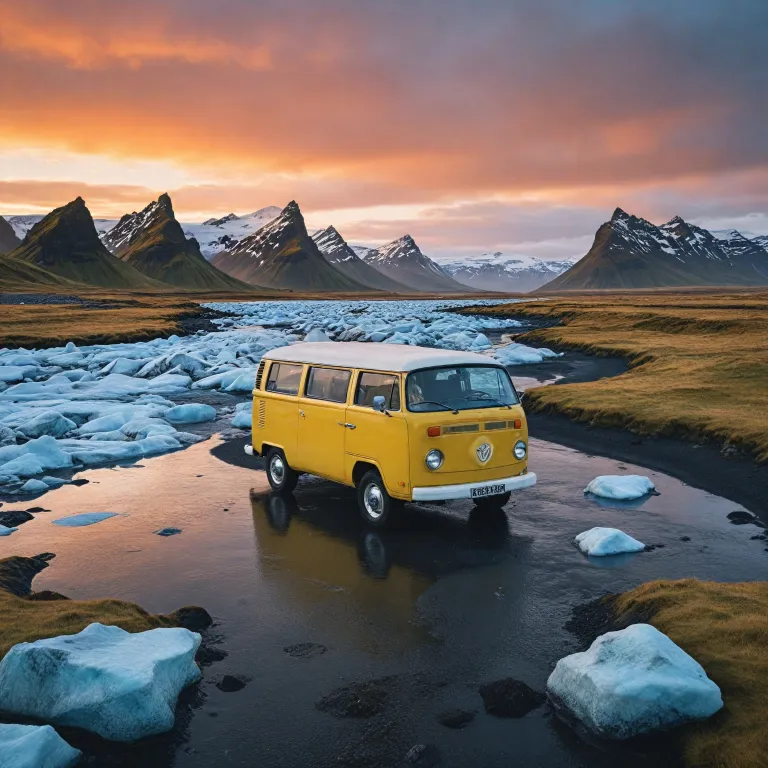
Planning an iceland 10 day itinerary for the ring road
Designing an iceland 10 day itinerary starts with understanding distance and time. The ring road, officially Route 1, traces 1 322 km around Iceland and rewards patient pacing. With ten days you can balance each long drive with unhurried stops at a waterfall, a glacier lagoon, or a quiet fishing harbour.
Begin and end your trip in Reykjavik, which anchors most international flights and offers a gentle first day. Spend your initial hours adjusting to local time, collecting your rental car, and walking the compact city centre. This first day sets the tone for a road trip that prizes safety, flexibility, and respect for Iceland’s fragile landscapes.
When mapping your iceland itinerary, divide the circle into manageable days of four to five time hours of driving. This allows generous pauses at major sites such as Þingvellir National Park, the south coast waterfalls, and the glacier lagoon near Vatnajökull. The Icelandic Road Administration (Vegagerðin) maintains the ring road, yet conditions still change quickly in wind, rain, or snow.
Check road conditions daily before you drive, especially outside the Reykjavik area where services thin out. A standard car usually suffices in summer, but a 4x4 becomes wise if you travel in shoulder seasons or plan detours beyond the main iceland road. A standard vehicle is sufficient for the Ring Road during summer. A 4x4 is recommended in winter or if planning to explore off-road areas.
Book accommodation and key activities before your trip iceland, particularly along the popular south coast. This is essential if you want guided glacier hike departures, whale watching seats, or timed entry to the Blue Lagoon near Reykjavik. Early planning preserves spontaneity on the road while protecting you from last minute stress.
Golden circle, blue lagoon, and Reykjavik on days 1–3
Your iceland 10 day itinerary naturally begins with Reykjavik and the nearby golden circle. On day one, stroll the harbour, visit Hallgrímskirkja, and sample Icelandic cuisine before an early night. This first day in Reykjavik keeps jet lag manageable and positions you for an efficient start on the golden circle loop.
On day two, drive the classic golden circle route that the Icelandic Tourism Board helped popularise. The circle links Þingvellir National Park, the Geysir geothermal area, and Gullfoss waterfall in a compact yet varied day. Allocate enough time hours at Þingvellir to walk between tectonic plates and appreciate its role in Iceland’s political history.
Continue to Gullfoss, where the waterfall car park sits close to dramatic viewpoints over the Hvítá river canyon. Paths can be wet from spray, so wear waterproof layers even in hot summer sunshine. End your golden circle day with a relaxed drive back toward Reykjavik or onward to a countryside guesthouse.
On day three, many travellers highly recommend a soothing visit to the Blue Lagoon before heading south. The lagoon’s mineral rich water, framed by black sand lava fields, offers a striking contrast to the previous day’s national park landscapes. Pre booking is essential, as this geothermal lagoon near the main road to Keflavík can sell out.
If you are fascinated by maritime culture, consider reading about immersive Bering Sea adventures and the legacy of crab fishing before or after your Iceland trip. An article on Aleutian Ballad style expeditions offers useful context on North Atlantic and Arctic seafaring traditions. This broader perspective enriches your appreciation of Iceland’s own working harbours and whale watching ports.
South coast, black sand beaches, and glacier lagoons on days 4–5
The next stage of your iceland 10 day itinerary follows the south coast, where waterfalls and black sand beaches dominate. Start day four with a drive from Reykjavik toward Seljalandsfoss and Skógafoss, two of Iceland’s most photogenic cascades. Each waterfall sits close to the main road, yet both reward extra time for walking paths and quieter viewpoints.
Continue your road trip to the Reynisfjara black sand beach near Vík, taking great care with sneaker waves. The combination of basalt columns, roaring surf, and offshore stacks makes this beach unforgettable, but safety briefings deserve full attention. Many travellers highly recommend limiting your time near the waterline and following all posted warnings.
On day five, the landscape shifts as you approach Skaftafell and the vast Vatnajökull glacier area. Here, a guided glacier hike offers a controlled way to step onto the ice with proper equipment and instruction. Local operators provide crampons, helmets, and expert guidance, which is strongly recommend for anyone without glacier experience.
Later that day, continue along the ring road to the famous glacier lagoon at Jökulsárlón. Icebergs drift from the glacier tongue toward the sea, sometimes washing back onto a neighbouring black sand shore nicknamed Diamond Beach. Allow several time hours here to walk, photograph, or join a boat tour among the ice.
Nearby, another glacier lagoon and smaller ponds create a quieter atmosphere away from the main car park. This part of the iceland road feels remote, so refuel whenever you pass a service station. Careful planning of days and distances keeps this dramatic stretch both safe and deeply rewarding.
East side fjords, Lake Mývatn, and north Iceland on days 6–7
By day six, your iceland 10 day itinerary reaches the sculpted coastline of the east side. Here, the ring road weaves between steep mountains and narrow fjords, passing small villages that still rely on fishing. This is an ideal day to slow your drive, pause at viewpoints, and appreciate how road building reshaped access to once isolated communities.
Continue inland toward the Lake Mývatn area, a geothermal and volcanic landscape that contrasts sharply with the south coast. Allocate several time hours for pseudocraters, lava fields, and hot spring zones where steam vents punctuate the earth. The combination of birdlife, volcanic forms, and accessible walking paths makes this area a highlight of many Iceland itineraries.
On day seven, drive west toward Akureyri, often called the capital of north Iceland. En route, consider a detour to whale watching hubs such as Húsavík, where sheltered bays host frequent sightings in season. Guided whale watching trips typically last a few hours, so plan your day to reach Akureyri before late evening.
Akureyri itself offers museums, a graceful church, and botanical gardens that thrive despite the latitude. This city day balances the wilder sections of your trip iceland, giving you time to rest and enjoy cafés. Many travellers highly recommend an overnight stay here rather than rushing directly toward the Snæfellsnes Peninsula.
As you continue, remember that weather in this area can shift quickly even in seemingly hot sunshine. Check forecasts and road updates before you drive, especially in shoulder seasons when snow can still affect higher passes. Thoughtful pacing of your days ensures you arrive at each stop with energy to explore.
Snæfellsnes peninsula, shark museum, and cultural context on days 8–9
The Snæfellsnes Peninsula often feels like a compact sample of the entire ring road, making it ideal for day eight. Your iceland 10 day itinerary now turns toward lava fields, fishing villages, and the glacier crowned Snæfellsjökull National Park. Many visitors highly recommend at least one full day here to appreciate the peninsula’s varied coastline and walking trails.
Drive slowly along the north and south shores of the peninsula, stopping at viewpoints, small harbours, and black sand coves. The road offers frequent access to sea cliffs, arches, and beaches where birdlife thrives in summer. Allocate time hours for short hikes within the national park, where clear days reveal the glacier dominating the skyline.
A distinctive cultural stop in this area is the shark museum dedicated to traditional hákarl preparation. Visiting the shark museum provides insight into how Icelandic communities once preserved food in a harsh climate. This museum day adds depth to your trip iceland, linking landscapes with the resourcefulness of people who lived from sea and land.
On day nine, begin your drive back toward Reykjavik, completing your circle around Iceland. Depending on your schedule, you may revisit a favourite hot spring, pause at a lesser known waterfall, or simply enjoy the changing light over the lava fields. This is also a good time to reflect on responsible travel choices, from staying on marked paths to supporting local guides.
If Arctic culture and remote hospitality interest you, explore an article on locally guided wilderness lodges. The parallels between Alaskan and Icelandic communities highlight shared challenges of isolation, weather, and sustainable tourism. Such context enriches your understanding of the human stories behind every road, harbour, and national park.
Practical tips, safety, and timing your iceland 10 day itinerary
Thoughtful logistics transform an iceland 10 day itinerary from a simple road trip into a comfortable, safe journey. Weather can be unpredictable; pack layers and waterproof clothing for every season. The summer months (June to August) offer milder weather and longer daylight hours, making them ideal for travel. However, winter months provide opportunities to see the Northern Lights.
Plan your days with realistic drive times, allowing for slower speeds in rain, wind, or snow. Be aware of road conditions and closures, especially in remote areas where the next fuel stop may be far. Online maps, GPS, and mobile apps for real time weather updates are invaluable tools on any iceland road journey.
When choosing activities, prioritise safety focused operators for glacier hike excursions, whale watching, and visits to remote hot spring sites. Local guides understand how fast conditions can change around a glacier, a lagoon, or a cliff lined beach. Their expertise also helps you allocate time hours efficiently, ensuring you reach each overnight stop before dark.
Sustainable choices matter along the ring road, where increased travel can strain delicate ecosystems. Stay on marked paths near every waterfall, lagoon, and national park, and avoid driving off road at all times. Support local businesses in small towns on the east side and north coast, where your spending directly sustains communities.
Finally, remember that a flexible mindset is as important as any packing list for your trip iceland. Growing interest in eco friendly travel and off season visits means you may share popular sites with others. With patience, respect, and careful planning, your iceland itinerary will feel both personal and deeply connected to this remarkable island.
Key statistics for planning an iceland 10 day itinerary
- Length of Route 1, the ring road that circles Iceland : 1 322 km.
- Average daily traffic on Route 1 near Reykjavik : 20 000 vehicles.
- Annual visitors to Þingvellir National Park : approximately 1 000 000 people.
Essential questions about an iceland 10 day itinerary
What is the best time of year to do a 10-day Iceland itinerary?
The summer months (June to August) offer milder weather and longer daylight hours, making them ideal for travel. However, winter months provide opportunities to see the Northern Lights. Your choice depends on whether you prioritise easier driving and hiking, or aurora filled nights and snow covered landscapes.
Do I need a 4x4 vehicle to drive the Ring Road?
A standard vehicle is sufficient for the Ring Road during summer. A 4x4 is recommended in winter or if planning to explore off-road areas. Always check rental terms, seasonal road conditions, and your own driving confidence before deciding which car to book.
Are there any safety concerns for travelers in Iceland?
Iceland is generally safe, but travelers should be cautious of rapidly changing weather conditions and follow local guidelines, especially when exploring natural sites. Strong winds, slippery paths near a waterfall, and powerful waves on a black sand beach can all pose risks. Respect closures, heed local advice, and allow extra time hours so you never feel rushed into unsafe decisions.
