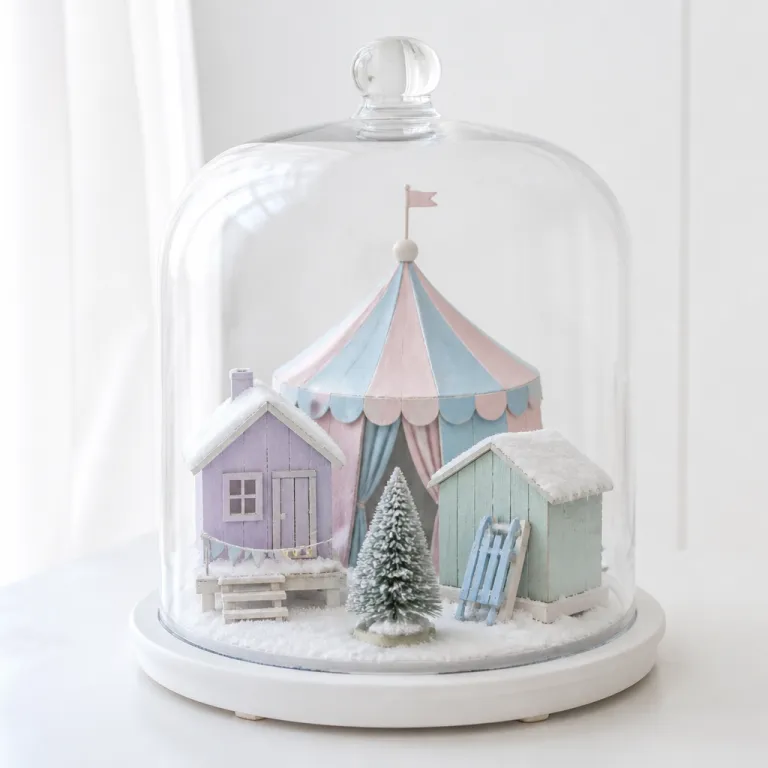
North pole at the fair as a gateway to polar imagination
North pole at the fair in Puyallup offers a rare bridge between festive fantasy and real Arctic travel dreams. This Christmas themed event at the Washington State Fairgrounds recreates a compact north pole world, giving kids and adults a tangible sense of polar atmosphere before they ever board an expedition ship. For many families, a carefully planned day at this fair becomes the first step toward reading about real ice floes, polar bears, and Antarctic penguin colonies.
The organizer North Pole at the Fair presents the experience as an immersive Christmas village rather than a simple queue for santa photos. That focus on interaction mirrors how modern Arctic voyages emphasize guided landings, small group briefings, and hands on learning instead of passive sightseeing during the holiday season or any other season. When you walk through a santa village setting, listen to carols, and watch kids talk with santa elves, you are rehearsing the same curiosity and patience needed for long polar days under low winter light.
Families who hope to travel to the real north pole or the wider Arctic Circle often start by testing how their kids handle structured events. A timed admission person slot at a christmas fair teaches children to respect schedules, manage excitement, and cope with cold air, even if the temperature in Washington State stays far above minus ten degrees Celsius. Those small lessons matter when you later face strict boarding times for Zodiacs in Svalbard or weather dependent landings in Greenland.
How a christmas fair prepares families for real Arctic expeditions
At first glance, a pole christmas themed event in a United States state fairground seems far removed from drifting pack ice. Yet the way tickets, reservations, and general admission are handled at north pole at the fair closely resembles the logistics of serious Arctic voyages. When you buy tickets online, receive digital confirmations, and arrive fifteen minutes before your slot, you are rehearsing the same discipline required for embarkation briefings in Tromsø or Longyearbyen.
The event usually runs from mid November through late December, echoing the early winter period when many Arctic cities shift from autumn storms to stable snow cover. For families considering a future cruise under the midnight sun, reading the event calendar and planning a december holiday visit trains them to think in terms of polar seasons rather than simple weekend getaways. That mindset becomes crucial when you later evaluate whether a July departure or an August itinerary will offer better wildlife and ice conditions.
Inside the fair, kids move between a santa workshop, a meet and greet with santa, and playful zones where elves guide simple crafts. Those transitions mirror how expedition leaders move guests between lectures, deck wildlife watching, and shore landings during long Arctic days. If you want to understand how continuous daylight shapes energy levels, it helps to read about experiences such as a midnight sun Zodiac landing where darkness never arrives, then compare that rhythm with your children’s reactions to extended festive events at the fair.
Tickets, reservations, and crowd flow as a lesson in polar logistics
North pole at the fair relies on online reservations and timed entry to keep queues short and the santa village calm. That same principle underpins safe operations in remote Arctic bays, where only a limited number of people may land at once to protect wildlife and landscapes. When you purchase tickets in advance and respect your assigned time, you are practicing the discipline that expedition teams expect when loading Zodiacs in rolling seas.
Families often ask whether tickets will be mailed or handled digitally, and the organizers answer clearly. “Are tickets mailed? No, tickets are provided at check-in.” That simple process, combined with clear general admission rules and transparent information about admission person pricing, mirrors the clarity you should demand from any operator offering a seven day Arctic itinerary or a longer voyage along the Greenland coast.
Instead of focusing only on headline price, guests learn to think in terms of value per experience and what is included with each reservation. In polar travel, that same mindset helps you compare a compact seven day Alaska route, such as an elegant Alaska itinerary for seven days of Arctic edge adventure, with a longer but less focused cruise. When you buy tickets or purchase tickets for the fair, pay attention to how many events are guaranteed and how crowd levels are managed, because those details translate directly to ship capacity and shore time in the high north.
Santa village storytelling and real north pole geography
The narrative at north pole at the fair leans heavily on santa, elves, and a cosy santa workshop, yet it also opens a door to accurate polar geography. Parents who read signage with their kids can gently explain that the real north pole lies on drifting sea ice, far from any permanent santa village or city. That contrast between story and science becomes a powerful teaching tool for future Arctic and Antarctic travelers.
When children queue for a meet and greet with santa elves, they often ask whether reindeer live at the actual pole. This curiosity gives adults a chance to talk about Svalbard, northern Canada, and Greenland, where reindeer and caribou roam, and to explain that penguins belong to the Antarctic, not to the Arctic. Those early conversations, sparked during a christmas fair day, build the baseline knowledge that makes later expedition lectures more meaningful.
Themed decorations at the pole fair usually include stylized icebergs, aurora backdrops, and snow covered cabins. Use those images to introduce the idea that real Arctic cabins must withstand katabatic winds, drifting snow, and weeks of darkness, while Antarctic research stations operate under even harsher constraints. One parent from Tacoma described the moment their child compared a painted aurora backdrop with a photo of real northern lights as “the instant the north pole stopped being just a story and started feeling like a place we might actually visit.” If your family will one day sail on a voyage such as the peak Arctic departures that define the season, the visual language of the fair can help kids imagine what lies beyond the festive lights.
From washington state fairgrounds to polar fieldcraft
The physical layout of north pole at the fair, set within the wider state fair complex in Puyallup, offers a surprisingly useful training ground for polar fieldcraft. Guests navigate between zones, follow clear signage, and respect staff instructions, just as they will later follow guides across icy gangways and snow covered beaches. Learning to move calmly through crowds while keeping an eye on kids is excellent preparation for boarding Zodiacs in remote fjords.
Event organizers use photography equipment, themed lighting, and controlled crowd sizes to keep the experience comfortable for kids and pets. The FAQ makes this explicit with the reassurance “Can pets join the photos? Yes, well-behaved pets are welcome.” That same attention to individual needs should guide your choice of Arctic operator, especially if you travel with children who require quieter spaces or have limited mobility during long days of shore excursions.
Community volunteers and local vendors support the event, creating a sense of shared ownership that echoes how small Arctic communities host visiting ships. One long-time staff member summed it up by saying that the goal is to “give families a taste of winter magic while keeping everything safe, warm, and welcoming.” When you attend a december holiday session at the fair, notice how staff manage safety, warmth, and flow, because similar principles apply when expedition teams set up safe perimeters around wildlife or manage hiking groups. The habits you build in this Washington State setting, from dressing in layers to keeping essential items in a small daypack, will serve you well when you finally step onto real polar terrain.
Planning your visit with a polar traveler’s mindset
Approach north pole at the fair as you would a compact expedition, starting with careful planning of dates and times. The event typically runs across several days from mid November through late December, so choose a day that matches your family’s energy levels and any school commitments. Think about whether an early morning slot or a twilight visit will better suit your kids, just as you would weigh early or late season departures for an Arctic voyage.
Reservations usually open in early November, and popular weekend events can sell out quickly, especially for prime santa meet and greet sessions. Treat the process of securing tickets online as a rehearsal for booking limited cabin categories on small expedition ships, where early commitment often brings the best choice of berths. When you buy tickets or purchase tickets, keep a simple record of confirmation numbers, parking details, and any special instructions about general admission or timed entry.
On the day itself, arrive at least fifteen minutes before your scheduled admission, mirroring the punctuality required for shore landings in the high north. Use the waiting time to read event information with your kids, talk about the difference between storybook santa elves and real Arctic researchers, and review any safety guidelines. By treating this christmas fair as a miniature expedition, you transform a festive outing into a meaningful step toward future journeys across the Arctic Circle and, eventually, the Antarctic Peninsula.
Key figures behind north pole at the fair
- Annual visitors number in the thousands according to recent event summaries, which is comparable to the passenger capacity of several small expedition fleets combined over a single holiday season.
- The typical reservation cost for a family slot represents a modest investment that helps families test how kids handle structured events before committing to multi thousand euro polar voyages.
- Reservations generally open in early November, and the event runs from mid November to late December, giving roughly six weeks of operating days that mirror a compact Arctic cruise season window.
- The location in Puyallup places the fair within easy reach of major United States transport hubs, making it accessible for families who may later connect through Seattle to Arctic gateways such as Anchorage or Reykjavik.
FAQ about north pole at the fair and polar travel preparation
How does north pole at the fair relate to real Arctic travel ?
The event offers a structured, timed, and weather aware experience that mirrors many aspects of polar expeditions. Families practice managing reservations, general admission windows, and excited kids in a controlled environment. Those skills translate directly to boarding ships, attending briefings, and handling long days of activity in the Arctic or Antarctic.
When should I plan my visit during the holiday season ?
The fair usually operates from mid November to late December, with weekends and late afternoon slots proving most popular. If you want a calmer atmosphere for younger kids, choose a weekday day session early in the season. Treat the choice between early and late dates as practice for evaluating different Arctic departure windows.
Are pets allowed at north pole at the fair ?
The organizers confirm that well behaved pets may join photos with santa, which can be helpful for families wanting a complete holiday portrait. This flexibility contrasts with strict wildlife protection rules in the Arctic and Antarctic, where no pets are allowed ashore. Understanding that difference helps children grasp why biosecurity is so important in real polar regions.
What should I bring to make the visit feel more like a polar experience ?
Dress in layers, including a warm base layer, a mid layer fleece, and a weather resistant outer jacket, even if temperatures stay mild. Encourage kids to wear gloves and hats, then talk about how real Arctic travelers add insulated boots and windproof trousers. Carry a small daypack with water, snacks, and a notebook so children can read signs and jot down questions about the north pole and the wider polar world.
Can this event help me decide whether my kids are ready for an Arctic voyage ?
Yes, because it concentrates excitement, queues, and structured activities into a single day, revealing how children cope with stimulation and waiting. Watch how they handle the santa meet and greet, transitions between events, and any unexpected delays. Their reactions will give you valuable insight into whether a longer expedition across the Arctic Circle or to the Antarctic Peninsula will suit your family in the coming years.
