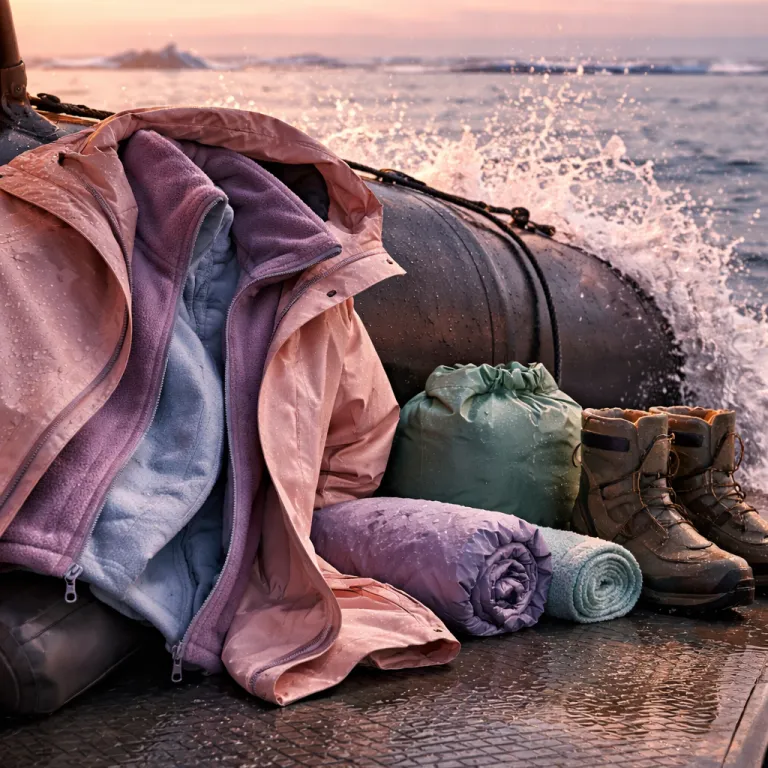
Why first timers mis-pack for antarctica and the Arctic
Most Antarctica and Arctic packing guides for first-time travellers read like cruise brochures. They mention penguins and auroras, but rarely the moment a Zodiac wave soaks your knees and your supposedly waterproof pants stay wet for hours. That gap between brochure fantasy and polar reality is where comfort is either protected or lost.
On a real expedition to Antarctica or the Arctic, you will sit still in a small boat, wind in your face, spray freezing on your jacket, and the polar cold creeping up through the rubber of your boots. What you wear in those moments, and how you layer those clothes, matters more than any cocktail dress or extra pair of jeans you might bring for the ship. Think of your packing list as technical equipment rather than holiday fashion, because the polar regions reward function and punish vanity.
Operators from Quark Expeditions to National Geographic–style voyages usually provide heavy waterproof boots and a warm parka, but everything that touches your skin is your responsibility. That means your base layer, your mid layer, your shell layer, and the small items that keep extremities warm and dry. Get those layers right and you will enjoy every landing; get them wrong and you will remember only how quickly fingers and toes can hurt. As one Quark guide likes to tell guests during the safety briefing, “You can’t control the weather, but you can control your layers.”
The three layer rule that keeps you warm and dry
The foundation of any serious Antarctica packing strategy is the three layer rule. Next to your skin you wear a thin base layer that wicks moisture away, then you add insulating mid layers, and finally you seal everything with a fully waterproof and windproof shell. Cotton and denim fail here because they absorb water, stay wet, and stop you from getting warm again.
For your base layers, choose merino wool long underwear tops and bottoms rather than synthetic where possible. Merino wool base layer pieces regulate temperature, resist odour, and keep working even when slightly damp, which is why experienced guides recommend at least two or three sets for any expedition. Pack Antarctica clothing with this in mind; a single high quality pair of merino wool leggings will outperform several cotton pairs that never really dry in a small cabin.
Over your base layer, bring one or two mid layers such as a fleece jacket and a light insulated jacket that you can wear together or separately. These layers trap warm air and can be adjusted quickly when you move from heated ship interiors to the open deck. Your outer shell should be a waterproof jacket and waterproof pants with a minimum rating in the 10 000 to 15 000 millimetre range, with fully taped seams and zips that keep spray out during Zodiac rides. Outdoor gear brands and expedition operators commonly use these figures as practical benchmarks rather than strict safety standards, drawing on manufacturer hydrostatic head tests and field use rather than formal regulation.
Feet, hands and head: where polar comfort is won
Feet are usually the first casualty for any first-time polar packing list. On most ships you will be issued tall rubber expedition boots or muck boots for landings, which keep your feet dry during shallow water Zodiac drop offs. Inside those boots, the real work is done by your socks and your ability to keep them dry between outings.
Bring several pairs of merino wool socks in different thicknesses and avoid cotton, which holds moisture and accelerates heat loss. A thin liner sock under a thicker pair creates layers of warm air and reduces friction, especially when you walk on snow or ice for more than an hour. On board the ship, switch to breathable grip shoes or light trainers so your feet can rest and your landing socks can dry fully before the next expedition.
Hands demand the same layered thinking, because wind over cold water makes Antarctica cold feel sharper than the thermometer suggests. Pack a thin pair of merino or synthetic glove liners, then a waterproof outer glove or mitten that can handle spray without soaking through. Many couples like to share a stash of chemical hand warmers or Hot Hands packets in a small dry bag, so that whoever feels the chill first can slip one into each glove without rummaging through a backpack in the Zodiac.
What to wear on Zodiacs versus on the ship
The biggest mistake for any new visitor to Antarctica or the Arctic is dressing as if the ship and the Zodiac were the same climate. On board, public spaces are warm and dry, and you will often wear light pants, a comfortable top, and perhaps a soft fleece jacket. Outside on deck or in a small boat, the combination of wind, spray, and stillness can make Antarctica cold feel far more intense than the air temperature suggests.
For Zodiac rides and landings, wear Antarctica clothing in full layers every time, even if the sun looks generous when you leave the ship. Start with your base layer of long underwear, add your mid layers, then seal everything with your waterproof jacket and waterproof pants, plus a warm hat and neck gaiter. A small habit such as always zipping your shell fully before you sit down in the Zodiac will keep spray from creeping inside and soaking your base layers.
On the ship, you can relax your packing list and lean into comfort, especially if you travel as a couple and want a more romantic atmosphere between landings. Bring one smarter outfit for dinners, but keep it simple; the real luxury is a hot shower and dry clothes after a polar plunge or a long hike. Families planning to travel with children can adapt this same layering logic, as outlined in this guide to planning an unforgettable Antarctica journey with children, by choosing lighter base layers for kids and prioritising easy zips over complex straps.
Dry bag discipline, sun protection and the polar plunge
Every serious Antarctica packing list now includes at least one dry bag, and for good reason. The moment a wave breaks over the bow, anything not sealed in a dry bag risks getting wet, from cameras to spare gloves to your cherished lip balm. Treat that dry bag as your on water safe, and close it fully before the Zodiac leaves the ship, not after the first splash.
Sun protection in the polar regions surprises many first timers, because the light feels soft but the UV exposure is fierce. Snow and sea ice reflect sunlight upwards, which means your face, neck, and even the underside of your nose can burn quickly without high SPF sunscreen and a protective lip balm. Category 4 sunglasses with side coverage are not a style affectation; they are essential gear that will keep your eyes comfortable during long hours on deck scanning for whales and icebergs. International optical standards describe this category as transmitting only a small percentage of visible light, typically around 3 to 8 percent according to specialist eyewear manufacturer data for high glare environments such as snowfields and sea ice.
Then there is the polar plunge, that brief and theatrical jump into near freezing water that many ships offer. If you plan to take part, pack a secure bathing suit that will stay in place when you hit the water, plus a warm hat and robe or jacket to put on immediately afterwards. Some couples like to share a small bag with towels, hot hands, and extra hand warmers so that both of you can warm up quickly and return to your cabin without shivering through the corridors.
What to leave at home and how to refine your list
Brochure style Antarctica packing suggestions often encourage guests to bring far more clothing than they will ever wear. You do not need multiple pairs of jeans, high heels, or formal suits on a polar expedition ship, because the dress code leans towards practical elegance rather than evening wear. Focus instead on duplicating the items that keep you warm and dry, such as base layers, socks, and gloves.
Leave cotton hoodies, heavy fashion coats, and non waterproof sneakers at home, because they add weight without adding performance. A single high quality shell jacket and one pair of reliable waterproof pants will serve you better than several casual jackets that soak through in the first Zodiac spray. When you pack Antarctica gear, think about how quickly each item dries on a small cabin line and how easily you can layer it under or over other pieces.
As you refine your polar packing plan, read beyond marketing copy and look for operator specific advice from companies such as Quark Expeditions or National Geographic–style voyages. Cross check their recommendations with independent reviews that focus on real conditions, such as this analysis of how Arctic ice shapes polar journeys from expedition logistics to sculpted experiences. The more your packing list reflects the lived reality of guides and repeat guests, the more your own expedition will feel like exploration rather than endurance.
Fine tuning for couples: comfort, romance and shared gear
Travelling as a couple changes how you think about an Antarctica and Arctic packing checklist. You can share certain items, split others, and coordinate colours so that photos from the polar regions feel cohesive without looking staged. More importantly, you can plan your packing list around shared comfort rituals that turn a functional cabin into a warm retreat.
Consider bringing one larger dry bag that holds both cameras, spare gloves, and a joint stash of hand warmers, plus a smaller dry bag each for personal items. Share bulkier items such as a travel kettle, favourite tea, or a compact speaker, and use the saved space for extra base layers or a second pair of waterproof pants. Many couples also coordinate their mid layers so that one person carries an extra fleece jacket or insulated pants in a backpack, ready to lend if the other underestimates the Antarctica cold on a long landing.
Small luxuries matter when the landscape is stark and the days are long. Pack lip balm that you both like, a hand cream that repairs skin after wind exposure, and perhaps a soft scarf that feels more like home than expedition gear. When your packing list balances technical performance with these quiet comforts, the ship becomes not just a base for landings but a shared polar hideaway where you will want to linger between briefings and wildlife sightings.
Key figures for polar packing and conditions
- Typical waterproof ratings for effective polar shell jackets and pants often start around 10 000 to 15 000 millimetres hydrostatic head, which many major expedition operators consider sufficient to keep you dry during extended Zodiac rides in moderate spray. Exact performance varies by fabric, construction, and wear, and the figures are based on standardised lab tests used by outdoor clothing manufacturers.
- Merino wool can absorb a substantial percentage of its weight in moisture while still feeling relatively dry against the skin, which makes merino base layers more forgiving than cotton in cold, damp conditions as reported by outdoor textile studies and manufacturer data from technical knitwear brands.
- Wind chill over open water can make temperatures feel roughly 5 to 10 degrees Celsius colder than the air reading, which is why guides insist on full layers even on apparently mild days in Antarctica and the Arctic. National meteorological services publish wind chill charts that illustrate how exposed skin cools faster as wind speed increases.
- Category 4 sunglasses are designed to transmit only about 3 to 8 percent of visible light, offering the level of protection recommended for high glare environments such as snowfields and sea ice by international optical standards bodies and specialist eyewear manufacturers.
FAQ about packing for antarctica and Arctic expeditions
How many base layers do I need for a typical antarctica voyage ?
For a standard Antarctica expedition of 10 to 14 days, plan on three full sets of merino wool base layers, including tops and long underwear bottoms. This allows you to wear one, dry one, and keep one in reserve without overpacking. If you tend to feel cold, add an extra pair of leggings rather than another bulky sweater.
Do I really need waterproof pants if my jacket is good ?
Yes, fully waterproof pants are non negotiable for Zodiac operations in the polar regions. Spray and occasional waves hit from the side and below, soaking thighs and knees long before your jacket is tested. Without waterproof pants, your base layers will get wet and you will feel cold for the rest of the landing and often for hours afterwards.
What kind of footwear should I bring besides the ship issued boots ?
Most operators provide tall rubber expedition boots or muck boots for landings, so you do not need to bring your own heavy boots. Instead, pack comfortable indoor shoes with good grip for walking around the ship, plus perhaps a second pair for the gym or spa areas. Focus your packing effort on high quality socks that work well inside the provided boots, because they make the biggest difference to warmth.
Is a polar plunge safe and what should I pack for it ?
A polar plunge is generally safe for healthy guests when supervised by the expedition équipe, but it is always optional. Pack a secure bathing suit, a warm hat, and a quick drying towel, and have a dry robe or insulated jacket ready on deck. Most ships also provide hot drinks immediately afterwards, which helps you warm up quickly.
Which small items do experienced travellers always recommend ?
Repeat guests consistently recommend high SPF sunscreen, a reliable lip balm, spare gloves, and more hand warmers than you think you will need. A compact dry bag for electronics and a second dry bag for spare layers also rank highly. These small pieces weigh very little but dramatically improve comfort and peace of mind in Antarctica and the Arctic.
