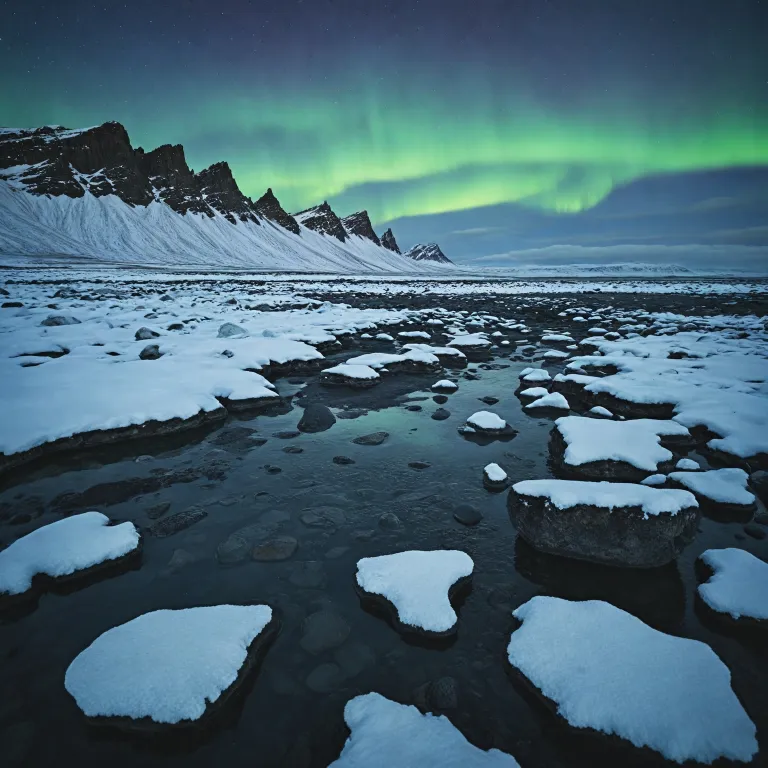
Snow in Iceland and what it really means for travellers
Does it snow in Iceland often enough to shape an entire journey ? The answer is yes, but the pattern of snow in Iceland winter is more nuanced than many visitors expect. Understanding how snow, ice and changing weather interact across the island helps you plan tours and experiences with confidence.
Reykjavik, the capital of Iceland, usually sees its main snow season from November to March. According to local data, the city records around 90 centimetres of snow over a typical year, yet snowfall can be highly variable from one winter to the next. In fact, “In January 2026, Reykjavík recorded no snowfall, a rare occurrence in its meteorological history.”
By contrast, northern Iceland and the interior highlands experience deeper snow and longer lasting winter conditions. These northern regions sit closer to the Arctic Circle, so snow and ice remain on the ground for more months of the year, especially around major glaciers. For travellers comparing summer and winter, this contrast explains why snow Iceland landscapes can look completely different between seasons.
When you ask does it snow in Iceland, you are also asking how that snow affects access to tours and remote areas. Snow reykjavik streets may be cleared quickly, while rural roads can close under harsh winter conditions Iceland wide. This is why the Icelandic Meteorological Office and local experts such as Einar Sveinbjörnsson emphasise checking the weather and road reports before every tour.
For polar focused travellers, the rhythm of snow and ice in Iceland offers a valuable training ground before venturing to Antarctica. Learning how to move safely on a glacier, how to read winter conditions and how to plan around the average temperature prepares you for more remote Arctic and Antarctic expeditions. In that sense, visit Iceland becomes both a journey and a classroom.
Seasonal patterns, average temperatures and the best time to see snow
To understand does it snow in Iceland in a way that helps planning, you need to look at the full year. The main winter Iceland season for reliable snow usually runs from late autumn through early spring, with the deepest accumulations in the north and east. During this time year, average temperature values in coastal areas often hover around freezing, while inland plateaus can be far colder.
Reykjavik’s climate is milder than many travellers expect for a northern capital. Snow reykjavik receives tends to arrive in short, sometimes intense bursts, followed by thaws driven by Atlantic air. This pattern explains why pavements may be clear one day and covered in fresh snow the next, even within the same winter season.
For those asking about the best time to visit Iceland for snow, the heart of Iceland winter between December and February usually offers the highest chance of snow covered scenery. However, early spring can still bring snow Iceland wide, especially on the south coast and around higher passes. These shifting winter conditions Iceland wide mean that flexibility is essential when booking tours and activities.
Travellers balancing budget and experience often compare summer winter options for flights, accommodation and excursions. If you are planning both Arctic and Antarctic journeys, studying how Iceland manages snow, ice and tourism infrastructure can inform more affordable polar travel strategies, including cost conscious Antarctic planning. In every season, the key is aligning your expectations with the likely weather.
Ultimately, the best time to visit Iceland depends on whether you prioritise northern lights, snow based activities or easier driving conditions. Winter Iceland offers the most dramatic snow and ice, while summer brings long days, milder average temperature readings and largely snow free roads. Both summer and winter reveal different faces of the same volcanic island.
Snow, northern lights and classic winter experiences
For many travellers, the question does it snow in Iceland is tied directly to the dream of seeing northern lights above a white landscape. Snow on the ground can enhance the glow of the northern lights, reflecting colour and softening the contours of lava fields and glaciers. In practice, though, the presence of snow is less important than clear skies and dark nights.
During Iceland winter, classic tours focus on combining aurora hunting with other snow based activities. A typical small group tour might include an evening drive away from Reykjavik to escape light pollution, followed by daytime visits to a glacier, an ice cave or the south coast. These itineraries allow you to experience both the dynamic weather and the stable beauty of long frozen ice.
Snow Iceland conditions also influence access to the golden circle, one of the most popular routes for first time visitors. In winter Iceland, roads along the golden circle are usually well maintained, but strong winds and blowing snow can still cause temporary closures. Checking the Icelandic Meteorological Office website before departure is essential, especially if you are driving rather than joining guided tours.
Budget conscious travellers planning multiple polar journeys can refine their approach by learning from Iceland. Tools such as smart budgeting for Arctic and Antarctic travel help you allocate ISK and other currencies efficiently across seasons. By aligning your expectations about snow, average temperature and daylight with your financial planning, you can schedule more meaningful experiences per time year.
Whether you focus on northern lights, glacier walks or ice cave photography, winter conditions Iceland wide require proper clothing and realistic timing. A well planned tour balances time outdoors in snow and ice with warm indoor breaks, especially in Reykjavik where geothermal pools and cultural venues offer welcome shelter. This rhythm keeps the magic of snow in Iceland enjoyable rather than exhausting.
Glaciers, ice caves and the role of snow in shaping the landscape
When travellers ask does it snow in Iceland, they often picture thick blankets of snow hiding everything beneath. In reality, snow is only the surface layer of a much older story written in glacier ice and volcanic rock. The country’s glaciers, from Vatnajökull in the southeast to smaller caps in the north, are long term reservoirs of frozen water that outlast any single winter.
Fresh snow Iceland receives each winter gradually compacts into firn and then into dense glacier ice over many years. This process feeds the slow movement of each glacier towards the sea, carving valleys and shaping the south coast and interior highlands. For visitors, glacier hiking tours offer a close look at crevasses, moulins and blue ice that reveal this deep time perspective.
Ice cave experiences are another highlight of winter Iceland, especially along the south coast where meltwater sculpts temporary chambers beneath the glaciers. These ice cave tours depend heavily on winter conditions Iceland wide, since safety is linked to temperature, snow load and structural stability. Operators constantly assess the weather and the average temperature to decide when a particular ice cave is safe to enter.
Because glaciers and ice caves are sensitive to climate, they also provide a tangible way to understand environmental change. Travellers who visit Iceland in both summer and winter can see how snow cover retreats, how meltwater channels shift and how the glacier surface evolves from year to year. This awareness often deepens interest in wider polar regions, including Antarctica.
For those planning future Arctic or Antarctic expeditions, Iceland serves as a practical training ground in reading snow and ice. Learning how to move on crampons, how to interpret winter conditions and how to respect guide instructions builds skills that transfer directly to more remote journeys. In this sense, every glacier tour in Iceland is also preparation for the broader world of polar travel.
Urban snow in Reykjavik and practical tips for winter travel
Understanding does it snow in Iceland also means looking closely at life in Reykjavik. The capital experiences regular snowfalls in winter, yet its coastal location and relatively mild average temperature lead to frequent freeze thaw cycles. This creates a distinctive mix of snow, slush and ice that shapes both daily routines and visitor experiences.
Snow reykjavik receives is managed through a combination of ploughing, gritting and innovative geothermal systems. In parts of the city centre, hot water pipes beneath pavements melt snow and ice, reducing slip hazards and keeping key walkways clear. This approach reflects how conditions Iceland wide are addressed with local solutions that blend technology and tradition.
For travellers, winter conditions Iceland wide require more preparation than a typical European city break. Footpaths can be icy even when streets look clear, so footwear with good grip is essential, especially if you plan to explore beyond Reykjavik. A small group walking tour can help you orient yourself safely while learning about local culture and architecture.
Many visitors also ask whether whale watching and other marine tours operate in Iceland winter. While some whale watching departures continue year round from Reykjavik and the south coast, schedules depend on weather and sea conditions. Checking special offers and updated timetables in ISK before you visit Iceland helps you align expectations with reality.
Urban based travellers often combine city time with day tours to the golden circle, the blue lagoon or nearby glaciers. Each excursion involves its own mix of snow, ice and changing weather, so layering clothing and allowing extra time year round is wise. With thoughtful planning, snow in Iceland becomes an atmospheric backdrop rather than an obstacle.
Linking Iceland’s snow to wider polar journeys and key statistics
For travellers drawn to both Arctic and Antarctic regions, the question does it snow in Iceland becomes part of a larger exploration of polar climates. Iceland sits at a climatic crossroads where Atlantic storms meet Arctic air, creating rapidly changing weather and complex snow patterns. Learning to navigate these conditions builds confidence for more remote expeditions.
Specialist operators increasingly use Iceland as a staging ground for skills based tours that focus on winter travel techniques. These small group experiences might include navigation in low visibility, safe movement on glacier ice and decision making under shifting winter conditions Iceland wide. Resources such as expert polar logistics guidance show how knowledge gained in Iceland can inform journeys across the Arctic and Antarctica.
Snow Iceland receives also influences wildlife experiences, from winter birdlife to marine mammals visible on whale watching tours. While some species are more easily seen in summer, others are associated with pack ice, cold currents and the darker months of the year. Understanding how season, average temperature and sea ice interact helps you choose the best time to visit Iceland for specific natural encounters.
Key quantitative insights help frame expectations about snow and ice. Reykjavik typically records around 90 centimetres of snow per year, while northern towns can receive more than double that amount. Historical records also show exceptional events, such as single storms depositing over half a metre of snow in less than a day.
These statistics underline why planning for both summer and winter is essential when you visit Iceland. In summer winter transitions, road access, tour availability and even the feel of the landscape can change within a few weeks. By respecting the power of snow in Iceland and preparing accordingly, you can enjoy the full range of experiences this North Atlantic island offers on the way to wider polar horizons.
Key snowfall statistics and essential questions about snow in Iceland
Key snowfall and climate statistics for Iceland
- Average annual snowfall in Reykjavik is approximately 90 centimetres, reflecting a relatively mild coastal climate with frequent thaws.
- Northern towns such as Akureyri can receive more than 225 centimetres of snow per year, illustrating strong regional contrasts in winter conditions Iceland wide.
- Historical records show individual storms in Reykjavik depositing more than 50 centimetres of snow within a short period, highlighting the potential intensity of snow Iceland events.
- The primary snowfall season generally spans from November to March, although early and late season snow can occur outside these months depending on the year and region.
- Recent climate observations indicate a tendency towards decreasing snowfall in parts of southwest Iceland, even as northern and higher altitude areas retain more persistent snow cover.
Does it snow in Reykjavik and how often ?
Yes, Reykjavik experiences regular snowfall during Iceland winter, particularly between November and March when average temperature values are close to freezing. Snow reykjavik receives often arrives in short, sometimes intense episodes, followed by periods of melting due to maritime air. Travellers should expect a mix of snow, slush and ice rather than continuous deep snow cover throughout the entire season.
Which areas in Iceland receive the most snow ?
Northern and northeastern regions, along with some interior highlands, typically receive the most snow Iceland wide. Towns such as Akureyri often record significantly higher annual snowfall than Reykjavik, and snow can remain on the ground for longer due to colder winter conditions Iceland wide in these areas. For travellers seeking consistently snowy landscapes, planning a tour that includes northern regions or higher altitude routes usually offers the best chance.
Has Reykjavik ever experienced a winter month without snow ?
Reykjavik’s maritime climate allows for considerable variability from year to year, including rare months with no recorded snowfall. Such events underline the importance of checking current weather forecasts rather than relying solely on historical averages when you visit Iceland. Even in winters with less snow, nearby mountains and inland areas can still provide classic snow Iceland scenery for tours and outdoor activities.
