Understanding temp in Iceland in March for Arctic style travelers
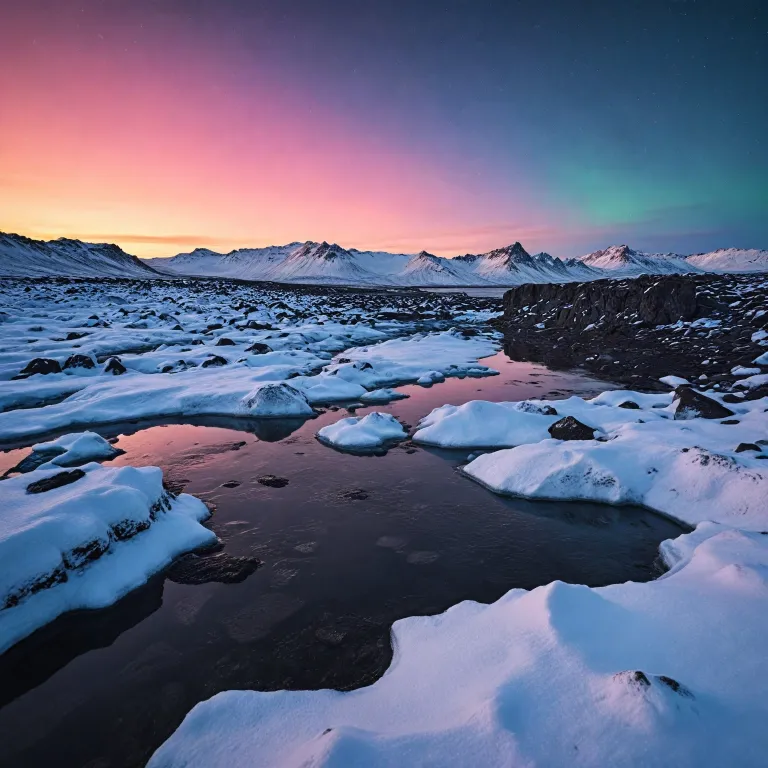
The temp in Iceland in March sits at a fascinating crossroads between deep winter and early spring. For travelers used to Arctic and Antarctic voyages, this month in Iceland offers familiar polar drama yet with more forgiving daylight hours. It is a period when winter still dominates the landscape, but subtle seasonal shifts reshape every trip and tour.
In Reykjavík, the average temperature in this month hovers around 2.3 °C during the day and dips close to −1 °C at night. This average temperature feels colder in strong wind and wet weather, so packing as you would for a soft polar expedition is wise. Across Iceland, March weather can swing quickly between snow showers, rain, and brief spells of bright sun.
Daylight hours increase steadily through the month, which transforms how you plan each trip to Iceland. Around the beginning of March Iceland offers roughly 10 hours of usable light, stretching to about 13 hours by the end of the month. These changing daylight hours shape everything from glacier excursions to evening northern lights hunts.
Because Iceland weather in this shoulder month is so changeable, conditions can vary sharply between the south coast and the more remote northern regions. Coastal areas may see more rain, while inland plateaus and higher ground keep their winter snow cover. Monitoring official weather Iceland forecasts daily is essential for safe driving on sometimes icy roads.
For travelers comparing March Iceland with deeper winter, the balance is appealing. You still enjoy snow covered scenery and a strong chance of northern lights, yet with more daylight and slightly milder averages. This makes the temp in Iceland in March a good time for those who want a winter atmosphere without the harshest polar extremes.
Daylight hours, weather patterns, and how they shape your itinerary
Planning around daylight hours is crucial when assessing temp in Iceland in March for serious polar minded travelers. At the start of the month you have about 10 hours of light, rising to roughly 11.5 hours mid month and 13 hours by the final days. This generous duration hours compared with mid winter opens space for longer glacier tours, south coast drives, and golden circle excursions.
Weather Iceland in this period remains highly variable, so flexibility is your greatest asset. You may wake to heavy snow, drive through rain along the coast, and end the day under a clear sky with northern lights overhead. Because conditions can change within minutes, always check the Icelandic Meteorological Office before committing to long drives on rural roads.
Precipitation in March Iceland often falls as a mix of rain and wet snow, especially near Reykjavík and other low lying coastal areas. Inland, snow remains more persistent, preserving that classic winter Iceland March landscape that many photographers seek. Average precipitation is significant enough that waterproof outer layers and dry spare gloves are non negotiable.
These shifting conditions influence whether a given day is a good time for a specific activity. A calm, cold day with clear skies is ideal for a northern lights focused view tour far from city glare. Windy days with low cloud may be better spent in geothermal pools, museums, or on shorter, safer drives.
When you visit Iceland in this month, think like a polar expedition leader. Build redundancy into your schedule, keep a weather eye on the horizon, and accept that some plans will change. This mindset, familiar from Arctic wildlife journeys such as specialist polar bear tours in Alaska, will serve you equally well on any March trip Iceland.
Snow, roads, and safety: reading Iceland’s late winter conditions
For travelers used to remote Arctic and Antarctic logistics, the temp in Iceland in March feels manageable yet still demands respect. Snow and ice remain common on higher ground and in the north, even when Reykjavík streets look merely wet. This contrast between regions means that road conditions can shift dramatically within a single hour of driving.
Before any long trip Iceland in this month, consult both weather Iceland forecasts and official road condition maps. Strong winds can close mountain passes, while sudden snow showers may reduce visibility to a few metres. Even when the average temperature appears only slightly below freezing, wind chill can make roadside stops feel brutally cold.
On the south coast, the combination of rain, slush, and occasional snow creates a different challenge. Roads may be open yet slick, with standing water that can freeze overnight and surprise early drivers. Good winter tyres, cautious speeds, and extra time in your schedule are essential safety tools.
Many travelers pair their March Iceland journey with guided experiences that manage these risks professionally. Glacier hikes, ice caves excursions, and remote northern lights tours rely on guides who read subtle shifts in conditions. Their expertise mirrors that of leaders on more remote Arctic wildlife expeditions such as immersive polar bear tours in the Arctic.
Remember that even a good time weather window can close quickly in this month. Carry warm layers, a charged phone, and emergency snacks whenever you leave Reykjavík or other main towns. Treat every drive as you would a small scale polar traverse, and the temp in Iceland in March becomes an exhilarating yet controlled part of your journey.
Northern lights, ice caves, and wildlife: is March a good time to visit Iceland?
Many travelers ask whether March Iceland offers a genuinely good time for iconic experiences such as northern lights and ice caves. The answer, especially for those comfortable with polar style conditions, is generally yes. You still have long dark evenings for aurora hunting, while daylight hours are sufficient for ambitious daytime excursions.
“Yes, March offers a unique blend of winter landscapes and increasing daylight, making it a favorable time for travelers.” This balance means you can spend the day exploring glaciers or the golden circle, then head out again after dinner for a northern lights focused view tour. The temp in Iceland in March is cold enough to keep snow on the ground, which enhances reflections and contrast in aurora photography.
Ice caves along the south coast usually remain accessible in this month, though exact opening dates depend on local conditions. Guided tours assess Iceland weather and glacier stability daily, adjusting routes to keep guests safe. Because average temperature hovers around freezing, you may experience both crisp blue ice and dripping meltwater in a single cave.
Whale watching also begins to appeal to those planning a broader Arctic style trip. While peak whale watching seasons vary by region, some operators run early spring departures from ports near Reykjavík and the north. Combining a daytime whale watching tour with an evening northern lights chase can turn one March day into a full polar themed experience.
For travelers who love remote wildlife journeys, this month in Iceland can complement more extreme expeditions. You might pair it with bird focused voyages in Svalbard or Antarctic peninsula sailings later in the year. The temp in Iceland in March offers a relatively accessible training ground for cold weather comfort and layered clothing strategies.
Packing, clothing, and gear for temp in Iceland in March
Packing for the temp in Iceland in March requires the same discipline you would bring to a light Arctic voyage. Think in layers rather than single heavy garments, so you can adapt quickly to changing weather Iceland patterns. A typical system includes a moisture wicking base, an insulating mid layer, and a waterproof, windproof shell.
Because both rain and snow are common in this month, waterproof trousers and sturdy boots are essential. Even in Reykjavík, slush and puddles can soak regular shoes within minutes, leaving you cold for hours. On the south coast or near glaciers, wet conditions intensify, especially around ice caves and coastal viewpoints.
Accessories make the difference between a good time outdoors and a miserable one. Pack a warm hat, thin liner gloves under thicker waterproof gloves, and a buff or scarf to shield your face from wind. Sunglasses are important too, as low sun over snow or wet roads can create harsh glare.
For photographers chasing northern lights or dramatic March Iceland storms, hand warmers and spare batteries are invaluable. Cold conditions drain power quickly, particularly during long duration hours outside on a tripod. A small dry bag keeps electronics safe from rain and blowing snow during any trip Iceland.
Finally, treat your packing list as part of your safety strategy, not just comfort. The right gear allows you to adapt when Iceland weather shifts suddenly during a golden circle drive or a remote view tour. This same mindset underpins serious polar birding journeys, such as those outlined in this guide to expert Arctic birding guidance in Svalbard, and it applies equally to the temp in Iceland in March.
Building a March Iceland itinerary with polar travel expertise
Designing an itinerary around the temp in Iceland in March is an exercise in balancing ambition with respect for nature. Start by mapping key regions such as Reykjavík, the south coast, and the golden circle, then layer in realistic driving times. Remember that even when roads are open, winter conditions can slow progress significantly.
Many travelers allocate at least one flexible day to absorb weather Iceland disruptions. If a storm closes roads or reduces visibility, you can shift glacier hikes, ice caves visits, or long view tours to safer windows. This approach mirrors contingency planning on longer Arctic and Antarctic voyages, where sea ice and wind dictate daily plans.
When you visit Iceland in this month, consider grouping activities by region to minimise backtracking. One day might focus on the golden circle, another on the south coast waterfalls and black sand beaches, and a third on Reykjavík culture. Evenings remain open for northern lights excursions whenever the forecast and cloud cover align.
“Yes, March is still a good time to witness the Northern Lights, especially during clear nights.” This reassurance from expert guidance aligns with the lived experience of many polar travelers who value shoulder season aurora. Combine that with the statement “Pack warm, layered clothing, waterproof outerwear, and sturdy footwear to handle variable weather conditions.” and you have the core of a resilient March plan.
By treating the temp in Iceland in March as a dynamic partner rather than a fixed backdrop, you gain a richer journey. You will read clouds, check forecasts, and adjust routes with the same care you would on a remote polar voyage. In return, Iceland in this transitional month offers snow, rain, shifting light, and frequent moments of stark, unforgettable beauty.
Key statistics for temp in Iceland in March
- Average high temperature in Reykjavík in March is approximately 2.3 °C.
- Average low temperature in Reykjavík in March is approximately −1 °C.
- Average precipitation in Reykjavík during this month is around 82 mm.
- Average daylight hours in March across Iceland are roughly 11.5 hours.
- Daylight increases from about 10 hours at the start of the month to around 13 hours by the end.
Essential FAQs about temp in Iceland in March
Is March a good time to visit Iceland?
Yes, March is generally a good time to visit Iceland if you are prepared for variable winter style conditions. You benefit from increasing daylight hours while still enjoying snow covered landscapes and a strong chance of northern lights. With flexible planning and appropriate clothing, many travelers find this month an ideal balance between accessibility and authentic polar atmosphere.
Can I see the Northern Lights in Iceland in March?
Yes, you can often see the Northern Lights in Iceland in March, especially on clear, dark nights away from city lights. The combination of lingering winter darkness and improving weather Iceland patterns gives frequent aurora opportunities. Joining a guided northern lights view tour increases your chances, as experts read cloud forecasts and choose optimal locations.
What should I pack for a trip to Iceland in March?
For a March Iceland trip, pack layered clothing, including a thermal base, warm mid layer, and waterproof outer shell. Add waterproof trousers, insulated boots, a hat, gloves, and a scarf or buff to handle snow, rain, and wind. This polar style wardrobe ensures you stay comfortable while exploring glaciers, the golden circle, Reykjavík streets, and evening northern lights outings.
Trusted resources for further planning: Icelandic Meteorological Office (https://en.vedur.is/), Guide to Iceland (https://guidetoiceland.is/), Weather Atlas climate data for Reykjavík (https://www.weather-atlas.com/en/iceland/reykjavik-weather-march).
