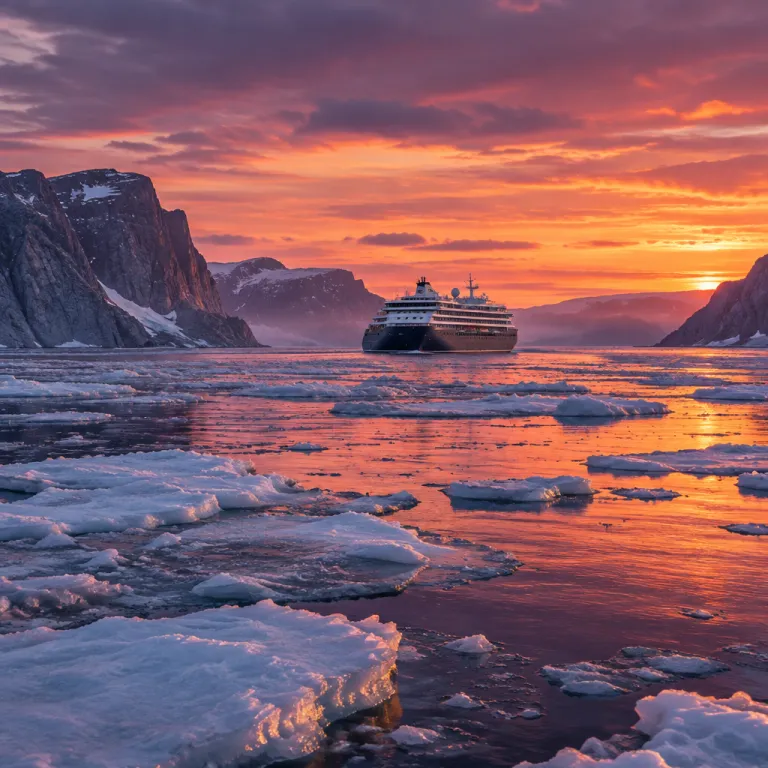
Why a northwest passage cruise defines the Canadian Arctic experience
A Northwest Passage cruise is the most evocative way to experience the Canadian Arctic in depth. This legendary sea route links the Atlantic and Pacific across the top of North America, and every day at sea feels like stepping into a living chapter of polar exploration history. The route threads between island chains, shifting sea ice, and remote bays where wildlife still shapes the rhythm of life.
Travelers often ask what truly sets a Northwest Passage cruise apart from other Arctic voyages. The answer lies in the combination of high Arctic landscapes, the cultural richness of Inuit communities, and the constant presence of the polar guides and naturalists who lead every landing and Zodiac outing. You are not simply sailing a passage; you are joining an expedition cruise that follows in the wake of Roald Amundsen and other polar pioneers.
On a typical day, your ship navigates narrow channels where sea ice drifts past the hull and polar bears patrol the floes. The Canadian Arctic reveals itself slowly, bay after bay, island after island, as the Northwest Passage opens during the short Aug–Sep window. Each passage segment feels distinct, and the rhythm of these passage cruises balances time on deck, shore excursions, and expert-led briefings.
Tracing the route from west greenland to the high Arctic archipelago
Most travelers begin their Northwest Passage cruise in West Greenland, where colourful coastal towns cling to rock and glaciers calve into the sea. Sailing from Greenland into the Canadian Arctic, the ship crosses Baffin Bay, a vast sea where icebergs drift south and wildlife sightings can start on the very first day. This transition from Greenland to the high Arctic sets the tone for the rest of the expedition.
As you move west, the landscape shifts from Greenland’s steep fjords to the low, austere islands of the Canadian Arctic Archipelago. Here the Northwest Passage becomes a maze of channels, and the expedition bridge team constantly reads sea ice charts, weather reports, and local knowledge to choose the safest and most rewarding route. This is where the spirit of a true expedition cruise emerges, because flexibility and patience will shape your experience more than any fixed timetable.
One of the most poignant stops on many passage cruises is Beechey Island, where the graves of Franklin’s men overlook a lonely bay. Standing on Beechey Island, you feel how fragile any polar expedition can be, even with modern navigation and a strong ship beneath your feet. For a deeper look at how operators are expanding access to this historic route, you can read about how specialist companies open the Northwest Passage and new polar departures in the dedicated article on future Northwest Passage seasons.
Life on board a polar expedition ship in the northwest passage
Life on board during a Northwest Passage cruise balances comfort with the practical needs of polar exploration. Modern expedition ships sailing the Northwest Passage usually offer a range of cabin categories, from compact twin share options to spacious suite layouts with large windows. Even in a modest cabin, you can expect a flat screen for briefings, a well stocked mini bar in higher categories, and thoughtful storage for cold weather gear.
Most expedition cruise operators design their ships for long days in the high Arctic, with stabilizers, ice strengthened hulls, and open deck space for wildlife watching. Public areas often include a lounge where the expedition team delivers talks on Arctic wildlife, sea ice dynamics, and the history of Roald Amundsen’s first successful transit of the passage. Between Aug and Sep, when sea ice retreats enough to allow navigation, these ships become mobile base camps for serious polar exploration.
Pricing for a Northwest Passage cruise is usually quoted in USD per person, based on a person twin share in a specific cabin category. Some departures are fully inclusive, bundling excursions, rubber boots, and sometimes an air credit toward charter flights into the Canadian Arctic gateway city. When you request quote details, ask exactly what is inclusive, how many Zodiac outings are planned per day, and whether the ship carries kayaks or other optional activities.
Wildlife, sea ice, and the changing polar environment
Wildlife is a central reason many travelers choose a Northwest Passage cruise through the Canadian Arctic. The region’s polar bears, walrus, seals, and whales depend on sea ice and cold sea currents, so the timing of Aug–Sep departures is carefully chosen. A flexible expedition team will adjust the daily plan whenever wildlife appears, sometimes delaying a landing so guests can watch bears hunting along the ice edge.
In the high Arctic, sea ice is not just scenery; it is a living platform that shapes every passage. Your ship’s bridge team constantly monitors ice charts and satellite data to find leads through the ice, while the expedition cruise staff explains how climate change is altering these patterns. You may see years with more open water in the Northwest Passage, and others where thick ice still blocks certain channels late into Sep.
Birdlife is equally impressive, with cliffs and island colonies hosting guillemots, kittiwakes, and sometimes ivory gulls. In sheltered bay anchorages, Zodiacs cruise quietly along the shoreline, scanning for Arctic foxes and nesting geese while the ship waits offshore. These wildlife rich days underline why the Canadian Arctic remains one of the most compelling polar regions in North America for serious nature travelers.
Cultural encounters and the human story of the Canadian Arctic
A Northwest Passage cruise is not only about ice and wildlife; it is also about people. Many itineraries include visits to Inuit communities in the Canadian Arctic, where local guides share perspectives on hunting, climate, and daily life in the high Arctic. These encounters help you understand how the Northwest Passage has always been a lived environment, not just a line on a map.
On board, the expedition team often includes cultural specialists who interpret the history of trade, exploration, and modern governance in North America’s polar regions. They explain how Roald Amundsen learned survival skills from Inuit mentors, and how present day communities balance tradition with new economic opportunities linked to passage cruises. Respectful behavior during village visits is essential, and your expedition cruise staff will brief you carefully before each landing.
Some operators now integrate digital storytelling, using the cabin flat screen systems to share interviews with local residents and archival footage. Between shore visits, you might watch a film about Beechey Island or a documentary on polar bears and sea ice while relaxing in your suite or twin share cabin. One guest summed up the experience after an evening talk with an Inuit hunter: “I came for the ice and the bears, but it’s the people I’ll remember most when I think about the Northwest Passage.”
Planning, pricing, and choosing the right northwest passage cruise
Planning a Northwest Passage cruise requires more preparation than a typical holiday at sea. The Aug–Sep window is short, so cabins on the best Canadian Arctic itineraries often sell out many months in advance. When you request quote information, compare not only the USD per person rate but also the level of inclusions, the experience of the expedition team, and the ship’s ice class.
Many travelers focus first on cabin type, weighing the value of a larger suite against a more economical twin share or person twin configuration. Remember that you will spend much of each day on deck, in the lounge, or ashore, so even the simplest cabin can work well if the ship’s public spaces are comfortable. Some operators offer an air credit that partially offsets charter flight costs to West Greenland or a Canadian Arctic gateway, which can make a meaningful difference to the overall budget.
When comparing passage cruises, look closely at how many days are actually spent within the Northwest Passage itself versus open sea transits. A well designed itinerary will balance time in iconic areas such as Beechey Island and the high Arctic channels with safer stretches of open sea where the ship can make up time. Serious travelers often keep a shortlist of two or three expedition cruise options, then choose the departure that best aligns with their preferred month, wildlife priorities, and tolerance for sea ice uncertainty.
Key figures and trends for northwest passage cruise travel
- According to Arctic Council shipping assessments published in 2009 and 2015, the number of vessels transiting parts of the Northwest Passage has increased several fold over recent decades, reflecting both commercial and expedition cruise growth. These assessments are widely cited by polar researchers and remain a core reference for understanding traffic trends.
- Data from the Association of Arctic Expedition Cruise Operators (AECO) indicates that the main operating season in the Canadian Arctic runs roughly from Aug to Sep, when sea ice retreats enough to allow safer navigation. AECO’s annual activity reports summarize member operations and seasonal patterns across the region.
- Studies published by the National Snow and Ice Data Center show that average September Arctic sea ice extent between 2010 and 2020 was around 30–40% lower than late twentieth century averages, influencing route planning for every polar expedition ship. NSIDC’s long-term satellite records are the standard source for these figures.
- Transport Canada notes that all passenger ships operating in the Canadian Arctic must comply with the International Maritime Organization Polar Code, which has been mandatory since 2017 and sets standards for hull strength, safety equipment, and crew training. Transport Canada guidance documents explain how the Polar Code is applied in Canadian waters.
- Surveys by major expedition cruise operators suggest that a high proportion of Northwest Passage guests cite wildlife, especially polar bears, and historical sites such as Beechey Island as their primary reasons for choosing this route. These internal guest feedback reports are frequently summarized in operator brochures and season reviews.
FAQ about northwest passage cruise travel
When is the best time of year for a northwest passage cruise ?
The prime season for a Northwest Passage cruise is between Aug and Sep, when sea ice retreats enough to allow ships to navigate the Canadian Arctic channels. Earlier in the season you may see more ice and dramatic landscapes, while later departures can offer slightly milder temperatures and different wildlife behavior. Operators schedule their expedition cruise itineraries carefully within this window to balance safety and experience.
How long does a typical northwest passage cruise last ?
Most Northwest Passage cruise itineraries range from about 14 to 24 days, depending on whether they include West Greenland, extended time in the high Arctic, or longer sea crossings. Shorter voyages may focus on a partial passage combined with other Arctic regions, while longer cruises attempt a full transit across North America’s polar archipelago. Always check how many days are actually spent within the Northwest Passage itself.
What level of fitness is required for a northwest passage expedition cruise ?
Travelers should be comfortable walking on uneven ground, climbing in and out of Zodiacs, and spending time outdoors in cold, windy conditions. Most shore excursions are optional, and the expedition team can often offer easier and more challenging walking groups at each landing. If you have mobility concerns, discuss them with the operator before you request quote details, as some ships and itineraries are more accessible than others.
What kind of wildlife can I expect to see in the Canadian Arctic ?
Common wildlife sightings on a Northwest Passage cruise include polar bears, various seal species, walrus, and several whale species such as beluga and bowhead. Birdlife is abundant, with cliffs and island colonies hosting guillemots, kittiwakes, and sometimes rarer Arctic species. Sightings can never be guaranteed, but traveling with an experienced expedition team during the Aug–Sep season maximizes your chances.
How much does a northwest passage cruise typically cost ?
Prices vary widely, but many Northwest Passage cruise options start from several thousand USD per person in a twin share cabin and rise significantly for larger suite categories. Factors influencing cost include the ship’s ice class, the level of inclusive services, the length of the itinerary, and whether an air credit is offered. Request quote information from multiple operators and compare not only price but also expertise, safety standards, and time spent in key Canadian Arctic regions.