Exploring what is there to do in Iceland for first time visitors
Understanding what is there to do in Iceland starts with its capital, because Reykjavík concentrates culture, cuisine, and easy access to nature. Spend your first day on foot in Reykjavík, walking its colourful streets, visiting the harbour, and planning which tours and travel experiences fit your style. This gentle start helps you adjust to the climate while already tasting some of the best things Iceland offers.
From Reykjavík, many travellers book a classic Golden Circle tour to see Þingvellir National Park, Geysir, and Gullfoss waterfall in one efficient loop. This Golden Circle route answers the question of what is there to do in Iceland if you have limited time, as it combines history, geology, and dramatic views in a single day. Guided tours depart year round, and Local Tour Operators coordinate transport, timing, and safety for both private and group tours.
When you visit Iceland, you quickly notice how geothermal energy shapes daily life and tourism. Relaxing in a hot spring or one of the famous hot springs complexes is not only soothing, it also reveals how innovation and sustainability support eco friendly travel. The Icelandic Tourism Board promotes this responsible approach, encouraging visitors to respect fragile landscapes and support local economies during every trip Iceland inspires.
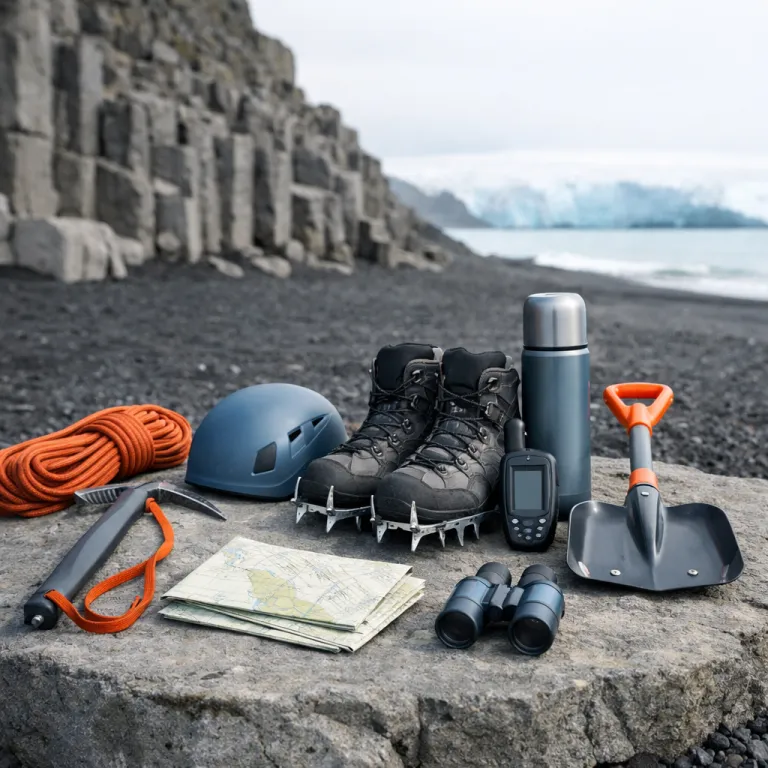
To prepare for these first days, dress in layers and check weather forecasts frequently. Conditions can change quickly, especially when you leave Reykjavík for a glacier, a black sand beach, or a remote national park. Booking accommodations and key tours in advance is wise, because Iceland welcomes around 2 000 000 annual tourists according to the Icelandic Tourism Board.
Golden circle, waterfalls, and geothermal lagoons in every season
Many travellers asking what is there to do in Iceland start with waterfalls and geothermal pools. The Golden Circle remains one of the top things to experience, combining tectonic drama at Þingvellir National Park with the power of Gullfoss waterfall and the erupting geysers nearby. This compact circuit from Reykjavík works well as a day trip, but you can also slow down and stay overnight along the route.
Along the Golden Circle, you will find several hot springs and modern spa complexes that complement the more famous Blue Lagoon. While the Blue Lagoon near Reykjavík is iconic, other geothermal pools across Iceland offer quieter atmospheres and equally impressive blue water. These hot springs and lagoons highlight Iceland’s utilization of geothermal energy in attractions, a key innovation that supports sustainable tourism.
When planning your visit Iceland itinerary, consider how seasons change the character of each waterfall and lagoon. In summer, long days and softer weather make it easier to combine multiple stops, while in winter, frozen spray and snow create a stark Arctic mood. The Icelandic Tourism Board notes that “Summer: Midnight sun tours. Winter: Northern Lights viewing. Spring/Fall: Fewer crowds.”
Travellers interested in polar style logistics may appreciate how Iceland’s infrastructure resembles that of Arctic expedition gateways. For deeper context on how ice, ports, and operations shape remote journeys, read this guide on how Arctic ice shapes polar journeys. Understanding these systems enriches your appreciation of Iceland’s ring road, its national parks, and the many glacier lagoon areas that depend on careful planning.
South coast, black sand beaches, and glacier adventures
If you wonder what is there to do in Iceland beyond Reykjavík, the south coast offers a powerful answer. This region combines black sand beaches, towering cliffs, and accessible glaciers, making it one of the top things to include on any trip Iceland inspires. Many travellers join organised tours along the south coast, while confident drivers may choose a self drive along the ring road.
Near Vík, you can walk on a black sand beach where Atlantic waves crash against basalt columns and sea stacks. These black sand beaches are visually striking, especially when snow dusts the cliffs and creates a monochrome palette that recalls Antarctic shorelines. Always respect safety signs, because sneaker waves and unstable cliffs can turn a simple visit into a dangerous experience.
Further east, glacier adventures become central to what is there to do in Iceland for outdoor enthusiasts. Guided glacier tours allow you to walk on crevassed ice, explore moulins, and learn how climate change affects each glacier and glacier lagoon. Jokulsarlon Glacier Lagoon, often simply called Jökulsárlón, is a highlight where icebergs drift toward a nearby sand beach scattered with crystal like blocks.
Wild coasts and icy horizons along Iceland’s south coast resonate with travellers who also dream of Arctic and Antarctic voyages. For inspiration that bridges these worlds, explore this article on wild coasts and icy horizons on northern cruises. The same spirit of adventure informs whale watching tours, glacier lagoon boat trips, and coastal hikes that define many things Iceland offers.
Ring road, Snæfellsnes peninsula, and national park landscapes
For travellers with more time, the ring road transforms what is there to do in Iceland into a full circumnavigation. This route encircles the island, linking Reykjavík with the east fjords, the north, and the wild west, and it passes countless waterfalls, hot springs, and small fishing towns. Driving the ring road requires careful planning, but it rewards you with constantly changing views and quieter regions far from the Golden Circle crowds.
The Snæfellsnes Peninsula is often called Iceland in miniature, and it deserves a dedicated visit. Here you can see a glacier capped volcano, dramatic cliffs, sand beaches, and small villages within a compact area that feels both remote and accessible. Many travellers consider Snæfellsnes one of the best regions for photography, thanks to its balanced mix of coastline, lava fields, and mountain silhouettes.
National parks play a central role in defining what is there to do in Iceland for nature focused visitors. Þingvellir, Vatnajökull, and Snæfellsjökull National Park each protect unique ecosystems, from rift valleys to glacier covered volcanoes and coastal lava formations. Hiking trails, viewpoints, and guided tours within these parks help you understand how Iceland’s geology connects to broader Arctic and sub Arctic systems.
As you plan multi day travel around Iceland, consider integrating experiences that echo polar expedition routes. Scenic rail journeys, such as those described in this guide to the Whittier to Anchorage train and glacier experiences, offer useful parallels in pacing and logistics. Applying similar planning discipline to your ring road itinerary ensures you have time for top things like glacier walks, whale watching, and quiet evenings in small coastal communities.
Northern lights, blue lagoon, and winter day tours
Many visitors asking what is there to do in Iceland are secretly focused on the northern lights. During the darker months, Reykjavík and other towns become bases for northern lights tours that chase clear skies away from city glare. While no operator can guarantee aurora, guided tours use local expertise and weather data to maximise your chances of a memorable experience.
Combining a northern lights hunt with a daytime visit to the Blue Lagoon or another geothermal lagoon creates a balanced winter itinerary. Soaking in warm, milky blue water while snow falls around you is one of the best sensory experiences Iceland offers. These lagoons and hot springs also provide welcome recovery after late night aurora tours and long days on the south coast.
Winter also reshapes classic routes like the Golden Circle and the Snæfellsnes Peninsula into more Arctic feeling landscapes. Shorter days require careful timing of each tour, but the low sun and snow covered terrain create dramatic views that photographers love. When you visit Iceland in winter, dress in layers, carry traction devices for icy paths, and remain flexible in case storms affect your plans.
For travellers used to Antarctic or high Arctic voyages, winter in Iceland feels familiar yet more accessible. You can still enjoy glacier lagoon visits, black sand beach walks, and even whale watching in some regions, though schedules vary by season. Public transportation, guided tours, and self drive options all remain available, but always check weather forecasts and road conditions before each day’s departure.
Active adventures: horseback riding, whale watching, and hot springs
Beyond sightseeing, what is there to do in Iceland for active travellers includes a wide range of outdoor adventures. Icelandic horseback riding tours introduce you to the sturdy local horses, whose unique gaits make long rides comfortable even for beginners. Riding across lava fields, sand beaches, or grassy valleys connects you directly with the landscape in a way that feels timeless.
Whale watching is another highlight that links Iceland to broader Arctic and Antarctic travel narratives. From ports such as Húsavík and Reykjavík, whale watching tours search for humpbacks, minke whales, and sometimes orcas, often accompanied by seabirds and dramatic coastal views. These excursions echo polar expedition zodiac cruises, offering close yet respectful encounters with marine wildlife.
Hot springs remain a constant thread through many of the best things Iceland offers. After a day of glacier hiking, horseback riding, or exploring the south coast, soaking in a natural hot spring or a developed pool restores both muscles and mood. Many travellers structure their trip Iceland itinerary around alternating active days with more relaxed lagoon or hot springs visits.
For those planning future Arctic or Antarctic voyages, Iceland serves as an ideal training ground. You can test your comfort with cold weather, layered clothing, and variable conditions while still enjoying reliable infrastructure and a wide choice of tours. This blend of adventure and accessibility explains why eco friendly travel, adventure tourism, and cultural experiences are central goals for the Icelandic Tourism Board and its partners.
Planning your visit Iceland itinerary with polar travel insight
When assembling your visit Iceland itinerary, start by clarifying your priorities among landscapes, culture, and adventure. Decide whether your focus is the Golden Circle and Blue Lagoon, the south coast and glacier lagoon areas, or a full ring road circuit that includes the Snæfellsnes Peninsula and multiple national parks. Matching your available days to realistic driving distances and tour durations is essential for a safe and rewarding experience.
The Icelandic Tourism Board and Local Tour Operators emphasise that methods such as guided tours, self drive trips, and public transportation each suit different travellers. Guided tours reduce stress and enhance safety, especially in winter or on glacier terrain, while self drive options offer flexibility for photographers and independent explorers. Public buses connect some regions, but schedules may limit spontaneity, particularly outside peak seasons.
Budgeting also shapes what is there to do in Iceland, because the country is known for high travel costs. The dataset notes that “Is it expensive to travel in Iceland? Yes, Iceland is known for high travel costs.” Building in funds for key experiences such as whale watching, horseback riding, and glacier tours ensures you can enjoy the top things that drew you here. Simple strategies like self catering some meals and travelling in shoulder seasons can help manage overall expenses.
Finally, remember that eco friendly choices enhance both your own experience and Iceland’s long term resilience. Choose operators committed to sustainability, respect trail closures, and minimise disturbance to wildlife at black sand beaches, glacier lagoons, and hot springs. By approaching Iceland with the same care you would bring to an Arctic or Antarctic expedition, you support local communities while creating lasting, meaningful memories.
Key statistics about Iceland travel
- Annual tourists visiting Iceland : approximately 2 000 000 people.
- Number of waterfalls across Iceland : around 10 000 documented falls.
Essential questions about what is there to do in Iceland
What is the best time to visit Iceland ?
What is the best time to visit Iceland? Depends on desired activities; summer for hiking, winter for Northern Lights.
Do I need a visa to visit Iceland ?
Do I need a visa to visit Iceland? Depends on nationality; check with Icelandic consulate.
Is it expensive to travel in Iceland ?
Is it expensive to travel in Iceland? Yes, Iceland is known for high travel costs.
