Why an Alaska cruise pack list must start with the weather
Planning a refined Alaska cruise pack list begins with understanding the weather you are likely to face. Coastal Alaska can shift from calm sunshine to sleet and rain within hours, so your packing must anticipate rapid changes across sea days and shore excursions. If you prepare for the coldest and wettest conditions you might encounter, the same gear will help you stay comfortable when the Alaskan sun appears on deck.
Think in systems rather than single items when you pack for cruise Alaska journeys. A smart packing list combines base layers, insulating mid layers, and a protective waterproof jacket so you remain warm and dry from glacier viewing decks to forest trails. This layered cruise packing strategy will help you adapt quickly when the weather swings from icy wind to mild drizzle during Alaskan cruise itineraries.
Every Alaska cruise packing list should prioritise fabrics that manage moisture efficiently. Choose moisture wicking base layers in merino wool or technical synthetics, because these materials keep sweat away from your skin and stay warm even when slightly damp. When you pack Alaska clothing with this performance focus, you reduce bulk, stay warm and dry, and create an easy pack system that works across multiple Alaska cruises.
Layering essentials for staying warm and dry on deck
On any Alaska cruise, layering is your primary defence against windchill on open deck spaces. Start with thin merino wool base layers next to your skin, then add lightweight sweaters or fleece before topping everything with a windproof and waterproof jacket. This approach will help you stay warm during long glacier viewing sessions when the ship slows and the breeze intensifies.
Mid layers deserve as much attention as outerwear in your Alaska cruise pack list. Pack one or two merino wool sweaters and a compact insulated jacket so you can dress up for dinner yet still feel warm on evening strolls around the ship. When you plan cruise packing with versatile layers, you can reuse the same pieces for shore excursions, sea days, and casual time in Alaskan ports.
Do not underestimate how quickly you cool down after active shore excursions. A dry bag or small day pack lets you stow spare base layers and a thin fleece, which will help you avoid getting chilled after hiking or kayaking. For deeper polar planning inspiration beyond Alaska, consult an Arctic experience blog as your compass for polar journeys on specialised platforms that analyse gear and packing strategies for extreme climates.
Waterproof protection for rain, spray, and shore excursions
Water is the constant companion of every Alaskan cruise, so waterproof protection belongs at the top of any serious packing list. A high quality waterproof jacket with a hood shields you from rain, glacial spray, and wind on exposed deck areas during glacier viewing. When you pack Alaska outerwear, choose models with sealed seams and adjustable cuffs so you stay warm and dry even in sideways rain.
Footwear can make or break your Alaska cruise pack list, especially on active shore excursions. Bring waterproof shoes or hiking boots with good grip, then add thinner socks under thicker merino wool pairs to manage moisture wicking and warmth. This combination will help keep your feet dry during wet landings, while also remaining comfortable on long days exploring Alaskan coastal towns.
Accessories complete the waterproof strategy for cruise Alaska adventures. A compact dry bag inside your day pack protects cameras, phones, and extra base layers from spray or sudden showers during shore excursions. For more detailed clothing guidance tailored to seasonal conditions, consult a specialised guide on what to wear in Alaska in July for cruises, tours, and national parks on expert polar travel resources.
Footwear, deck wear, and how to dress for varied days
Different parts of an Alaska cruise demand different shoes, so plan your footwear list carefully. Closed toe, non slip shoes are essential for wet deck surfaces, while sturdier hiking boots suit rugged shore excursions in Alaskan ports. A pair of lighter trainers or slip ons will help your feet rest on casual days at sea.
Think about how you will dress from breakfast to evening cocktails on a typical Alaska cruise day. Start with base layers and sweaters for early morning glacier viewing on deck, then shed pieces as the weather softens and you move indoors. At night, many Alaska cruises maintain a relaxed dress code, so a simple dress or smart shirt paired with warm layers usually feels appropriate.
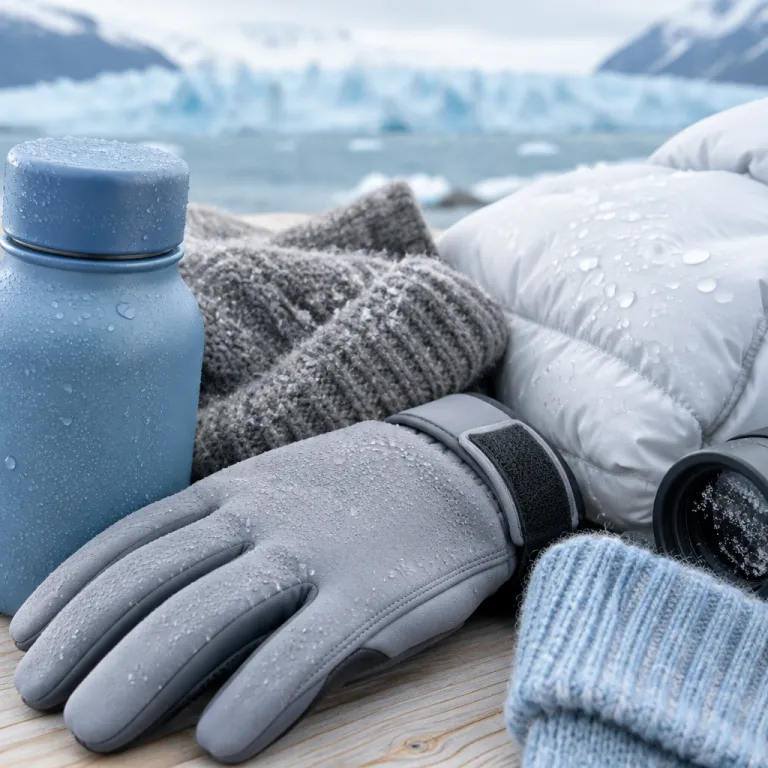
Sea days often tempt travellers to underestimate the cold during long periods outside. When you pack cruise outfits, include a warm hat, gloves, and a neck gaiter so you can stay on deck longer without discomfort. These small items are easy pack additions to your day pack and will help you enjoy extended glacier viewing without retreating indoors too soon.
Smart packing strategies for limited cabin space
Cabins on an Alaskan cruise rarely feel spacious, so a disciplined Alaska cruise pack list matters. Choose versatile pieces that layer well, dry quickly, and work across multiple days instead of single use outfits. When you pack Alaska clothing with this mindset, you reduce clutter and keep essential gear within easy reach.
Compression cubes transform cruise packing by separating base layers, sweaters, and outerwear into clear categories. Place moisture wicking merino wool items together, keep waterproof gear in another cube, and reserve a separate section for shore excursions accessories like gloves and hats. This structure will help you find what you need quickly, even on dark early mornings before glacier viewing sessions.
Think vertically when organising a small cabin during an Alaskan cruise. Use hooks and wardrobe space for your waterproof jacket and frequently used layers, while keeping a pre packed day pack ready with snacks, a dry bag, and spare base layers. If you plan your pack cruise routine carefully from the start, you avoid the classic “don’t forget” moments that lead to unnecessary purchases in Alaska ports.
From Alaska to polar frontiers: adapting your cruise packing list
An expertly planned Alaska cruise pack list becomes a foundation for more remote polar voyages. The same base layers, merino wool sweaters, and waterproof jacket that serve you in Alaska can transition to Arctic or Antarctic expeditions with only minor adjustments. This continuity will help you invest in durable gear once, then reuse it across multiple cold climate cruises.
Travellers considering an Arctic style road trip to or from Alaska ports should extend their packing list beyond shipboard needs. Overland segments demand extra dry clothing, a more robust day pack, and perhaps heavier boots for snow or ice, especially if you explore routes similar to those described in guides on whether you can actually drive to Juneau for an Arctic style road trip. By aligning your pack Alaska strategy with both cruise and land based segments, you create a seamless wardrobe for varied weather and terrain.
As you refine your cruise packing for future Alaska cruises or more extreme polar itineraries, keep detailed notes after each journey. Record which gear stayed in your suitcase, which items you used daily, and any moments when you thought “don’t forget this next time.” Over several trips, this reflective approach will help you craft a personalised packing list that balances warm comfort, dry protection, and elegant practicality in every latitude.
Key figures for planning an Alaska cruise wardrobe
- Average summer temperatures in southeast Alaska range from about 8 °C to 18 °C, which explains why layered base layers and sweaters are more effective than a single heavy coat (data from the National Weather Service, based on long term regional climate summaries for 1991–2020).
- Juneau receives roughly 1 300 to 1 500 millimetres of rain annually, so a waterproof jacket and waterproof shoes are statistically justified rather than optional (climate data from the National Oceanic and Atmospheric Administration, using historical precipitation records for 1991–2020).
- Typical Alaska cruise itineraries last 7 to 10 days, meaning each clothing item should ideally work for at least three different outfits to keep your pack manageable (analysis based on major cruise line schedules and sample itineraries published for recent summer seasons).
- Wind chill on open deck areas during glacier viewing can make temperatures feel 5 to 10 degrees colder than reported, reinforcing the need for merino wool base layers and windproof outer shells (meteorological guidance from the National Weather Service wind chill charts updated in 2023).
FAQ about building an Alaska cruise pack list
How many layers should I bring for an Alaska cruise
Most travellers do well with two or three base layers, two mid layer sweaters or fleeces, and one high quality waterproof jacket. This combination allows you to adjust quickly to changing weather on deck and during shore excursions. Focus on moisture wicking fabrics such as merino wool so you stay warm and dry even when active.
Do I really need waterproof shoes for an Alaskan cruise
Waterproof shoes or boots are strongly recommended for any Alaska cruise that includes active shore excursions. Docks, tenders, and forest trails can be wet or muddy, and dry feet will help you stay comfortable throughout long days ashore. If you prefer lighter footwear, pack a second pair in case one set gets soaked.
What should I pack in my day pack for glacier viewing
A well organised day pack for glacier viewing should hold a hat, gloves, spare base layers, and a compact sweater or fleece. Add a dry bag for electronics, snacks, and a reusable water bottle, then top everything with a packable waterproof jacket. This setup lets you stay on deck longer without returning to your cabin for extra gear.
How formal is the dress code on most Alaska cruises
Many Alaska cruises lean toward smart casual rather than very formal evening wear. A simple dress, collared shirt, or neat sweater paired with clean shoes usually meets expectations in main dining rooms. Always bring one slightly dressier outfit in case your itinerary includes an optional gala night.
What is the biggest packing mistake travellers make for Alaska
The most common mistake is bringing bulky cotton clothing instead of layered, technical pieces. Cotton dries slowly and feels cold when damp, while moisture wicking merino wool and synthetic layers stay lighter and warmer. Another frequent error is failing to pack a proper waterproof jacket, which can cut short time on deck during spectacular glacier viewing moments.