Why an Antarctica trip with teenagers is different from the brochure
Teenagers sit in a tricky space on any Antarctica family expedition. They are old enough to want independence and real expedition challenge, yet still travelling with parents and sometimes friends or extended family who expect shared memories on the White Continent. On an Antarctic cruise they quickly sense whether they are treated as full expedition guests or as older kids quietly sidelined after breakfast.
Most Antarctic cruises advertise a minimum age of 8 or 10 years, yet for a serious family trip I consistently see 14 plus working far better than the brochure minimum. Operators set those limits to manage insurance and zodiac safety, not to guarantee that a teenager will actually enjoy the experience or engage with the expedition team. When you plan Antarctica with teenagers, think less about the youngest allowed on the ship and more about whether your own teenager will thrive in long days of ice, wildlife and structured briefings.
During the austral summer, classic itineraries run from Ushuaia through the Drake Passage to the Antarctic Peninsula, usually over 10 to 12 day voyages. A fly-in expedition cruise that skips the roughest seas can be a better fit for a teen who already struggles with motion sickness on shorter cruises. When you read glossy brochures, remember that a dramatic photo of a penguin colony says nothing about whether your teenager will have peers on board or meaningful citizen science projects to join.
Minimum age rules and why 14 plus usually works better
Age policies for an expedition cruise vary by operator, but a common pattern emerges once you read the small print. Many Antarctic cruises technically accept children from 8 or 10 years, while some ships set 12 as the minimum for zodiac landings in heavier ice conditions. The dataset phrase “What is the minimum age for Antarctic cruises? Typically 12 years old; varies by operator.” remains accurate, yet it only tells part of the story for a demanding family trip.
Onboard naturalists and the wider expedition team quietly admit that teenagers under 14 often tire during long briefings and back-to-back zodiac cruise operations. A younger child might enjoy a single short day watching humpback whales or sea lions, but a teenager needs context, autonomy and time with peers to feel that the Antarctic Peninsula is more than a parental bucket list. When you plan Antarctica with older teens, ask directly how many passengers in the 14 to 18 bracket were on similar expedition cruises in the last season.
Some lines run specific family departures where the ship carries more teenagers, and those sailings can transform the atmosphere at breakfast and dinner. Quark Expeditions and Lindblad Expeditions, for example, have offered family-focused voyages with dedicated youth programming in recent seasons, while other lines simply allow children but provide no teen-focused structure, leaving your family to improvise between lectures and landings. Before you schedule a call with any sales consultant, ask whether teenagers are allowed on all zodiac landings, whether they can join kayaking, and whether the expedition cruise team treats them as full participants rather than as guests who might be benched when conditions tighten.
For families used to culturally rich journeys in Alaska or Patagonia, it helps to benchmark expectations against other remote adventures. A well run Alaskan wilderness lodge, such as those described in this guide to locally guided cultural and historical experiences in the heart of the wilderness, already shows how guides can engage teenagers with real stories and field activities. The best Antarctic cruise operators mirror that approach, using age-appropriate science sessions and flexible landing plans to keep teens involved from the first breakfast to the last zodiac ride.
Choosing the right ship and cabin layout for a teen focused family trip
Ship choice shapes every polar voyage with teenagers, because older kids live in their cabins more than younger children. On older ships, families often squeeze into triple cabins where privacy vanishes and a restless teen shares a bunk with a parent who wakes early for sunrise over the ice. Newer expedition ships such as Quark’s Ultramarine or Lindblad’s National Geographic Resolution offer connecting cabins and family suites that allow a teenager to close a door, yet still remain only a few steps away during a rough night in the Drake Passage.
When comparing Antarctic cruises, look beyond the headline cruise price and study deck plans with a critical eye. True family cabins on an expedition cruise are rare, and some ships simply add a sofa bed to a standard room, which feels cramped once wet gear and camera bags accumulate after a long day among a penguin colony. Ask whether cabins near the stabilizer midships are available for your family, because that location can significantly reduce motion for a teen prone to seasickness.
Premium lines sometimes market large suites that work well for friends or multi-generational groups travelling with two teenagers, yet those cabins sell out quickly on popular Antarctic Peninsula departures. If your budget allows, two interconnecting cabins often provide better sleep and privacy than one oversized suite, especially when teenagers keep different schedules and want quiet time to read or edit wildlife photos. Remember that the average cost per person for an Antarctic cruise already sits around USD 10,000, roughly twice the price of many Galápagos family cruises, so allocating extra budget for a better cabin can materially improve the overall experience.
Some families combine Antarctica with a longer South American voyage, sailing from Buenos Aires down to Cape Horn before turning toward the White Continent. In that case, study itineraries such as this fourteen night Patagonia voyage from Buenos Aires to Cape Horn to understand how your teenager copes with extended time at sea. If they thrive on long ship days and sea watching, a classic Drake Passage crossing may suit them, while a fly-in option might be wiser for teens who grow restless between landings.
Zodiac landings, citizen science and the confidence test for teenagers
The real test of any Antarctic family expedition comes the first time your teenager steps into a zodiac in choppy water. Some expedition cruises quietly restrict younger guests to scenic zodiac cruise loops while adults hike ashore, which can leave a confident 15 year old feeling sidelined from the main expedition. You want a ship where teenagers are briefed, trained and then treated as full landing participants whenever conditions allow.
Ask specific questions about zodiac operations before you schedule a call with any operator, because policies vary widely between ships. On the best expedition cruise programs, the expedition team runs practice embarkations on the first day, teaching teenagers how to sit, hold ropes and move safely on the ice once they reach shore. Those same teams often lead citizen science projects where teens help collect phytoplankton samples, photograph humpback whales for identification databases and log sea ice observations that feed into real climate datasets.
Citizen science is the single most effective engagement lever I have seen for teenagers on the White Continent. They are no longer just passengers on Antarctic cruises; they become temporary field assistants, earning certificates and sometimes school credit for their work with onboard naturalists. When a teenager spends the morning at a penguin colony counting nests for a research project, then returns to the ship for lunch and an afternoon zodiac cruise among sea lions and seals, the Antarctic Peninsula stops being an abstract bucket list and becomes a lived, scientific landscape.
For families who already love structured wilderness journeys, resources like this compass for polar journeys help frame what a serious expedition feels like. In Antarctica, look for operators who highlight their citizen science partnerships as clearly as they promote the polar plunge or the bar menu. That balance usually signals a ship culture where teenagers are expected to engage their brains as much as their cameras.
Fly sail versus Drake Passage: motion sickness, time and teen morale
Every family planning an Antarctic voyage with teenagers eventually reaches the same fork in the road. Do you sail the Drake Passage both ways on a traditional Antarctic cruise, or choose a fly-sail itinerary that uses a charter flight to skip the roughest seas? For teenagers with a history of motion sickness, that decision can determine whether the family trip feels like an adventure or an ordeal.
A classic Ushuaia departure spends two full days each way crossing the Drake Passage, which means four sea days on most 10 to 12 day itineraries. Some teenagers relish that time, roaming the ship with new friends, attending wildlife lectures and scanning for humpback whales and seabirds from the outer decks. Others retreat to their cabins, missing meals and activities while the ship rides heavy swells, and no amount of ginger tea at breakfast will change their minds about ocean crossings.
Fly-sail programs reduce sea time dramatically by flying passengers to King George Island or similar gateways, where they board the ship already within reach of the Antarctic Peninsula. These itineraries cost more per person, yet they concentrate the experience into more active days of zodiac landings, citizen science and wildlife viewing. For a teenager who values time on the ice over time at sea, that trade-off often feels obvious once you read sample schedules and compare how many hours are spent off the ship.
Budget matters here, because the already high baseline for expedition cruises rises further when you add charter flights and premium logistics. Remember that the average cost per person for Antarctica can be roughly twice that of a comparable Galápagos family voyage, and teenagers pay adult fares on most ships. If your family can absorb the extra cost, a fly-sail itinerary often preserves teen morale, keeps everyone at breakfast, lunch and dinner, and leaves more energy for the polar plunge and late night deck watches under the southern sky.
Ship shortlists, teen signals and budget realism for the white continent
Once you accept that an Antarctic holiday with teenagers must prioritise teen engagement, the shortlist of suitable ships narrows quickly. Look for modern expedition ships carrying roughly 100 to 200 guests, with strong ice ratings and a high ratio of expedition team members to passengers. Those vessels usually offer more flexible landing schedules, more zodiacs in the water at any one time and more room in public spaces for teenagers to spread out with new friends.
Teen-friendly signals include connecting cabins, a relaxed but structured approach to breakfast and dinner seating, and younger staff within the expedition team who naturally connect with older teens. Some operators quietly track teen participation in citizen science, noting how many teenagers join whale identification projects or plankton tows on each trip. When you read reviews on platforms like KidTripster or specialist polar forums, pay attention to whether teenagers are mentioned as active participants in landings, lectures and the polar plunge, rather than as background figures in family photos.
Budget realism is essential, because Antarctica sits at the very top of most family travel budgets. Expect the cost for a teenager on a quality Antarctic cruise to start around USD 10,000, often twice the price of a Galápagos family itinerary of similar length, and that figure rises quickly with fly-sail options or larger cabins. Factor in gear, insurance and pre-cruise nights in Ushuaia or Punta Arenas, and the total family trip can easily exceed the cost of several other long-haul holidays combined.
Some families work with independent advisors such as Nathan Shah or other polar specialists who understand the nuances between ships, routes and seasons. A good advisor will help you schedule call discussions with operators, compare expedition cruises that look similar on paper and identify which ships quietly attract more teenagers on peak dates. In the end, the right match is the ship where your teenager feels like a full expedition member from the first safety briefing to the last zodiac ride back through the ice.
Daily rhythm on board: meals, wildlife and keeping teenagers engaged
The daily rhythm of an Antarctic voyage with teenagers matters more than any single headline activity. A typical expedition day starts with an early wake-up call and a substantial breakfast, followed by a morning zodiac cruise or landing on the Antarctic Peninsula. After returning to the ship for lunch or a hot buffet, teenagers often face a choice between lectures, citizen science sessions or simply watching the ice drift past from the observation lounge.
Wildlife remains the anchor for most teenagers, and rightly so, because few experiences rival the first close encounter with a penguin colony. On some days the ship may position near feeding humpback whales, launching zodiacs so guests can watch tail flukes rise against the White Continent backdrop while sea lions and seals patrol nearby waters. Other days focus on hiking over snow ridges, visiting historic research stations or cruising through narrow channels where blue icebergs tower above the zodiac and the only sounds are distant avalanches.
Meals structure the social life on board, and teenagers quickly decide whether they will sit with family or drift toward new friends met during landings. Flexible seating at breakfast and lunch encourages that mixing, while slightly more formal dinners give the day a sense of occasion without feeling stiff. Many ships offer evening recaps where the expedition team reviews wildlife sightings, explains the next day schedule and invites teenagers to share their own photos or citizen science observations, turning them from passive guests into active storytellers.
For parents used to more conventional cruises, it helps to remember that Antarctica is not a floating resort with endless entertainment. There is no water slide, no teen disco, and the most talked about activity might be the polar plunge, a brief but unforgettable jump into near-freezing water under careful supervision. What teenagers gain instead is time, space and a rare sense of shared purpose with adults, as everyone on the ship focuses on understanding and respecting one of the last great wilderness regions on Earth.
Key figures for planning an Antarctica family expedition
- Average cost per person for a quality Antarctic cruise is around USD 10,000, which is roughly double the price of many Galápagos family itineraries of similar length, according to recent polar travel market analyses from specialist agencies and industry reports.
- Typical family focused itineraries follow a 10 to 12 day pattern, with 4 days spent crossing the Drake Passage on classic sailings and 6 to 8 days exploring the Antarctic Peninsula and nearby islands during the austral summer.
- Many operators set a formal minimum age of 8 to 12 years for Antarctica, yet field experience from expedition teams suggests that teenagers aged 14 to 18 engage more fully with lectures, citizen science and longer zodiac operations.
- Eco focused expedition ships increasingly feature educational programs led by onboard naturalists, with some voyages reporting that more than half of teenage guests participate in at least one structured citizen science project during their trip.
- Family oriented Antarctic cruises have grown steadily in recent seasons, with operators adding more connecting cabins and flexible dining to accommodate multi-generational groups travelling with teenagers.
FAQ about Antarctica trips with teenagers
What is the minimum age for Antarctic cruises with families?
Most expedition cruise operators set a minimum age between 8 and 12 years for Antarctica, but policies vary by ship and itinerary. The dataset statement “What is the minimum age for Antarctic cruises? Typically 12 years old; varies by operator.” remains a reliable baseline, especially for voyages that include frequent zodiac landings. For families with teenagers, aiming for 14 plus usually provides a better balance between safety, engagement and independence.
What wildlife can teenagers expect to see in Antarctica?
Teenagers on an Antarctic cruise can usually expect close views of several penguin species, including gentoo, chinstrap and Adélie penguins at large colonies on the Antarctic Peninsula. They are also likely to see seals, sea lions, various seabirds and multiple whale species such as humpback whales and minke whales during zodiac cruises and ship transits. Exact wildlife encounters depend on the time of the season, ice conditions and the specific route chosen by the expedition team.
Are there educational programs for teenagers on expedition cruises?
Many modern expedition ships offer structured educational programs tailored to teenagers, led by onboard naturalists and scientists. These programs often include lectures, guided deck watches, hands-on citizen science projects and sometimes formal certificates recognising participation in data collection or wildlife monitoring. Families should ask operators for concrete examples of teen-focused activities rather than relying on generic references to “family friendly” programming.
How should families prepare teenagers for motion sickness on the Drake Passage?
Preparation for the Drake Passage starts with an honest conversation about motion sickness and the realities of open ocean crossings. Families should consult medical professionals about appropriate medications or patches for teenagers, choose midship cabins on lower decks when possible and encourage teens to eat light meals, stay hydrated and spend time on deck looking at the horizon. If a teenager has a strong history of seasickness, a fly-sail itinerary that reduces sea days may be a better option.
What gear is essential for teenagers on an Antarctic family trip?
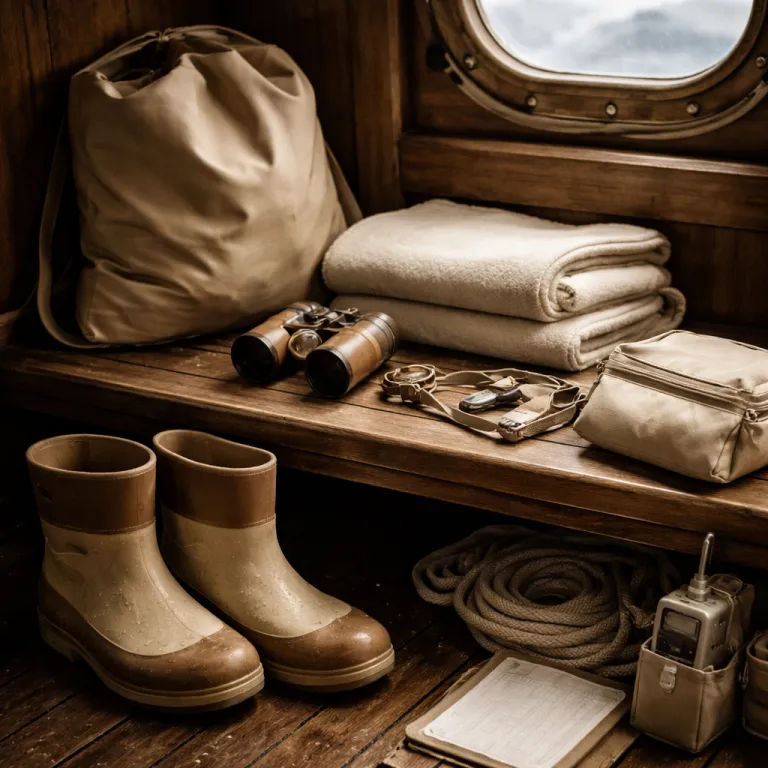
Teenagers need the same core gear as adults, including layered clothing, waterproof outer shells, insulated gloves, hats and sturdy waterproof boots if not provided by the operator. Many families also pack extra base layers, quick-drying socks and a comfortable pair of shoes for wearing around the ship after wet zodiac landings. A personal camera or smartphone with good battery management, plus a notebook for citizen science observations, can help teenagers engage more deeply with the experience.