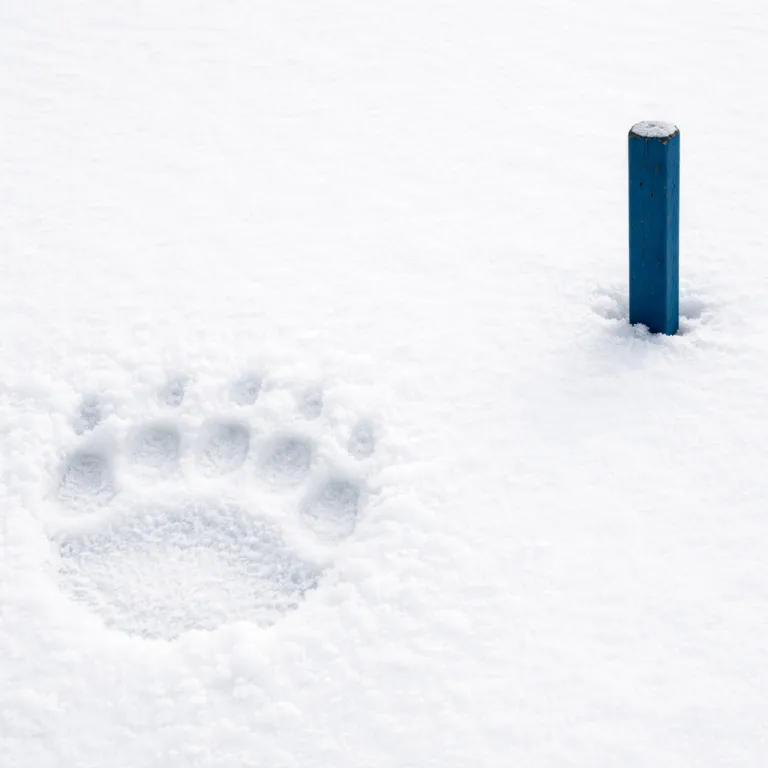
Svalbard polar bear cruise regulations for families: what has changed
What Svalbard’s polar bear cruise regulations now mean in practice
Svalbard sits high in the Arctic, where sea ice, silence and wildlife define every expedition. In 2022–2023 the Norwegian Government adopted a stricter framework for wildlife protection that will fully shape Svalbard cruise operations from 2025–2026 onward, even though many provisions are already being applied in practice. For a premium family planning a Svalbard cruise, the question is simple yet nuanced: what will you actually see from the ship and Zodiac under the current polar bear rules and wider Svalbard expedition regulations.
The core regulations feel very specific once you are on the water. Under the Governor of Svalbard’s guidelines and proposed amendments to the Svalbard Environmental Protection Act, approach limits for polar bears are set at a minimum of 300 metres for most of the year and 500 metres from early spring to early summer.[1] These distances, which mirror recommendations from the Norwegian Polar Institute and AECO’s wildlife guidelines,[2][3] apply to every small ship and to larger expedition cruising vessels, and cruise operators must treat them as hard lines rather than flexible guidelines. The regulations are enforced through mandatory reporting, voyage plans and spot checks by the Governor in Longyearbyen, with operators expected to brief every expedition team and every guest clearly before the first Zodiac is lowered.
On a clear Arctic day, a polar bear at 300 metres remains visible to the naked eye, though you will rely on binoculars for detail and on long lenses for photography. At 500 metres, polar bears become more a part of the wider landscape, moving across ice or along the shore while the ship holds position at a respectful distance. For families used to close range safari viewing, this expedition style feels different, but the experience of scanning the sea ice with your expedition leader and spotting a bear on its own terms can be just as powerful.
The same regulatory framework also limits where ships can land, with shore visits now restricted to a defined list of sites inside national parks and other protected areas. Official consultation documents from the Ministry of Climate and Environment refer to 40–50 approved landing locations; most operators currently work with a practical list of 40+ sites, and many use the often-cited figure of 43 based on AECO planning tools.[3][4] Only ships carrying 200 passengers or fewer may operate in these sensitive zones, which means small ship expedition cruise itineraries have become the default for serious wildlife travel. Larger ships with more passengers have been pushed to the margins of Svalbard, while nimble vessels with strong expedition teams now set the standard for responsible Arctic fox and polar bear viewing.
- Minimum polar bear approach distance: 300 m (500 m in spring denning season)
- Walrus haul-out buffer: 150 m around active sites
- Passenger cap in protected areas: ships with ≤200 guests only
- Landings restricted to ~40–43 designated sites in national parks
Why 300 and 500 metres matter for polar bears and families
The distance rules for polar bear and walrus viewing are not arbitrary; they are built around behaviour, biology and risk. Norwegian authorities, working with AECO and local scientists, drew on decades of Arctic wildlife data and disturbance studies before finalising the current approach to Svalbard expedition rules. Their goal is to minimise stress on animals while still allowing meaningful expedition cruising for travellers who respect the ice and the species that depend on it.
From July through late winter, the 300 metre limit balances safety and experience, because polar bears are generally more mobile and less tied to dens. At this range, a small ship can hold position off a Spitsbergen shoreline while the expedition team scans for movement, and guests can watch through binoculars without the bear changing course. The rules also reduce the temptation for cruise operators to edge Zodiacs closer, since any deliberate approach inside 300 metres would clearly breach regulations and could trigger sanctions from the Governor’s office; in 2015, for example, the Governor issued formal warnings after a vessel repeatedly approached wildlife too closely near Moffen.
The 500 metre rule from early March through late June is stricter because denning females and young cubs are at their most vulnerable, and disturbance can have lethal consequences. During this period, regulations keep ships and Zodiacs well away from potential denning slopes, even when no polar bears are visible, and the expedition leader will often cancel a landing if there is any doubt. For families, that means more time watching from the ship and fewer spontaneous shore hikes, but it also means your Svalbard expedition is not the reason a cub fails to survive its first season on the sea ice.
Walrus haul sites are treated with similar care, with a 150 metre minimum distance around any active walrus haul-out where animals rest between feeding dives.[1][3] This figure appears both in AECO’s wildlife guidelines and in the Governor’s operational advice to cruise operators. Zodiacs now drift quietly at the edge of this buffer while guests watch the herd through binoculars, and passengers are reminded that noise carries far over calm Arctic sea. For a deeper sense of how these regulations sit within the wider region, our guide to exploring Svalbard for Arctic and Antarctic travel explains how Longyearbyen has become the staging point for a new era of low impact expedition cruise planning.
The 200 passenger cap and the rise of the true expedition ship
One of the most significant shifts in Svalbard’s cruise management is the hard cap on ships carrying more than 200 passengers in protected areas. Large mainstream cruise ships can no longer enter key national park zones or many wildlife-rich fjords, a change outlined in the Government’s 2023 white paper on Svalbard tourism and building on earlier 2003 policy work on environmental protection.[4] For families who value time ashore and close contact with an experienced expedition team, this is very good news.
Small ship expedition cruising was already the connoisseur choice for Svalbard, but the new rules have effectively made it the only serious option for wildlife-focused travel. Cruise operators with vessels in the 100 to 200 guest range can still land at the roughly 40–43 designated sites, while bigger ships must remain offshore or avoid these waters entirely. That shift has opened space for operators who specialise in Svalbard cruise itineraries built around bird cliffs, walrus haul-out beaches and quiet anchorages where Arctic foxes and Svalbard reindeer still outnumber humans; companies such as Poseidon Expeditions and other AECO members have retooled programmes specifically around these protected landing areas.
On board, the difference is tangible, because a small ship can land guests in compact groups and rotate Zodiacs efficiently, giving every family meaningful time ashore. The expedition leader knows most passengers by name by the second day, and the wider équipe can tailor briefings to children as well as adults without losing scientific depth. If you want a sense of how this intimacy translates into daily life in the high Arctic, our feature on the best things to do in Svalbard for Arctic explorers walks through a typical expedition cruise day from wake up call to late night sea ice watching.
Some high-capacity operators have shifted tonnage away from Svalbard altogether, while others have chartered smaller ships or retooled itineraries around Longyearbyen-based overnights and scenic cruising. For travellers, the practical takeaway is clear: if an itinerary promises frequent landings, wildlife viewing and access to protected areas, check that the ship carries fewer than 200 guests. The current Svalbard cruise regulation framework has made passenger count a reliable proxy for how immersive, flexible and wildlife-sensitive your Arctic experience will be.
What you now actually see on a Svalbard family voyage
Families who travelled to Svalbard several seasons ago often remember close range Zodiac encounters with polar bears on ice floes, sometimes at distances that now feel uncomfortably intimate. Under today’s stricter polar bear approach distances, those moments have been replaced by longer range sightings where the bear remains firmly in control of the interaction. You still see polar bears, but you see them as part of a wider Arctic system rather than as isolated trophies.
On a typical expedition cruise around Spitsbergen, you might now spend more time scanning bird cliffs alive with kittiwakes and guillemots, or watching Svalbard reindeer graze on tundra slopes while Arctic foxes patrol below. The expedition team will often frame each day around a mix of wildlife, ice and cultural history, rather than chasing a single species at all costs. That shift suits premium family travellers, because children engage better with varied stories and activities than with a long, cold stakeout for one distant polar bear.
Walrus viewing has changed less dramatically, since many responsible cruise operators were already holding back from haul sites to avoid disturbance. You still approach in Zodiacs, engines idling low, and drift at the edge of the 150 metre buffer while the expedition leader interprets behaviour and field signs. The difference is that the rules now match best practice, so passengers can trust that every walrus haul-out visit is being run to the same standard across the fleet.
There is also more emphasis on landscape and light, with evening sails along glacier fronts and through loose sea ice becoming highlights in their own right. If you are drawn to cinematic polar scenery, you may enjoy our feature on Iceland movie locations that bring polar landscapes to life, which pairs well with a Svalbard expedition where the ship becomes your moving cinema screen. The tightened Svalbard cruise regulations have nudged itineraries toward a slower, more observational rhythm, and families who lean into that pace tend to come home with deeper, more textured memories.
Planning a responsible Svalbard expedition as a premium family
For a family planning a Svalbard cruise now, the key is to choose operators who treat AECO guidelines as the floor and Svalbard’s regulations as the ceiling. Ask directly how the company implements the polar bear and walrus distance rules on a day-to-day basis, and how the expedition leader handles marginal calls around weather, ice and wildlife stress. Serious cruise operators will be transparent about cancelled landings, distant sightings and the reality that some days are more about sea and sky than about charismatic predators.
Look for a small ship with a strong expedition team to guest ratio, ideally with specialists in Arctic fox ecology, seabirds and polar bear behaviour. Families benefit from guides who can turn a quiet day along a glacier front into a masterclass in sea ice dynamics, or who can make a single Arctic fox trotting along a ridge as compelling as a whole pack of wolves. When you read itineraries, pay attention to how often they mention national park regulations, protected areas and specific haul sites, because that language signals respect for the framework that keeps Svalbard’s wildlife relatively secure.
On board, prepare children for the idea of distant wildlife and the use of binoculars as part of the experience, not as a consolation prize. Explain that the regulations are designed to help ensure that the roughly 975–1,000 polar bears in the Svalbard–Barents Sea subpopulation, as estimated by the Norwegian Polar Institute and the IUCN Polar Bear Specialist Group,[2][5] continue to hunt, den and raise cubs with minimal disturbance from visitors. As the Governor’s official FAQ summarises it, “What are the new polar bear approach distances? 300 m year-round; 500 m March 1–June 30.”[1]
Finally, remember that responsible Arctic travel is a long game, and your choices now shape what future families will see from the rail of a ship off Spitsbergen. By favouring small ship expedition cruising, respecting the current Svalbard cruise regulation framework and supporting operators who put wildlife first, you help keep Svalbard reindeer on the tundra, Arctic foxes on the ridges and polar bears on the ice. In return, Svalbard offers something rarer than a close-up photograph: the quiet satisfaction of knowing your expedition cruise left more than it took.
FAQ about Svalbard polar bear cruise regulations and wildlife viewing
How close can ships now get to polar bears in Svalbard?
Ships and Zodiacs must now stay at least 300 metres from polar bears for most of the year, with a stricter 500 metre limit from early March through late June.[1] These distances are set out in the Governor of Svalbard’s operational guidelines and are enforced for all cruise operators, regardless of ship size. In practice, you still see polar bears clearly with binoculars, but close range encounters are no longer permitted.
Are shore landings still possible on a Svalbard expedition cruise?
Yes, shore landings remain a core part of Svalbard expedition cruising, but they are now restricted to a defined list of designated sites within national park zones and other protected areas.[3][4] Only ships carrying 200 passengers or fewer may land guests at these locations, which favours small ship itineraries. Landings may be cancelled at short notice if wildlife is present or if conditions make it hard to respect the distance rules.
Can large cruise ships still operate around Spitsbergen?
Larger ships can still sail in Svalbard waters, but they are excluded from many of the most sensitive fjords and wildlife-rich coastal areas. The 200 passenger cap in protected areas means that big vessels focus more on scenic cruising and port calls near Longyearbyen, rather than deep expedition-style itineraries. Travellers seeking frequent landings and close engagement with the expedition team should therefore prioritise smaller ships.
Is walrus viewing still worthwhile under the new regulations?
Walrus viewing remains a highlight of many Svalbard cruises, even with the 150 metre minimum distance around active walrus haul-out sites.[1][3] From a drifting Zodiac, guests can still observe social behaviour, tusk size differences and interactions between adults and calves using binoculars. The regulated buffer reduces disturbance and helps ensure that walrus colonies continue to use traditional haul sites despite increased expedition traffic.
How do these rules affect families travelling with children?
For families, the main change is a shift toward more distant wildlife sightings and a greater emphasis on landscape, history and multi-species encounters. Children spend more time using binoculars and spotting scopes, and less time in very close proximity to animals like polar bears and walrus. Many parents find that this slower, more interpretive style of expedition travel leads to deeper learning and a stronger sense of respect for the Arctic environment.
References
[1] Governor of Svalbard (Sysselmesteren på Svalbard), operational guidelines and FAQ on polar bear and walrus approach distances; [2] Norwegian Polar Institute, Svalbard–Barents Sea polar bear subpopulation assessments; [3] Association of Arctic Expedition Cruise Operators (AECO), wildlife and field operations guidelines; [4] Norwegian Ministry of Climate and Environment, white papers and consultation documents on Svalbard tourism management (including 2003 and 2023 policy changes); [5] IUCN Polar Bear Specialist Group, status reports on polar bear populations; Poseidon Expeditions operational briefings and Svalbard cruise planning materials.
