From passenger to polar observer: how seabird surveys actually work
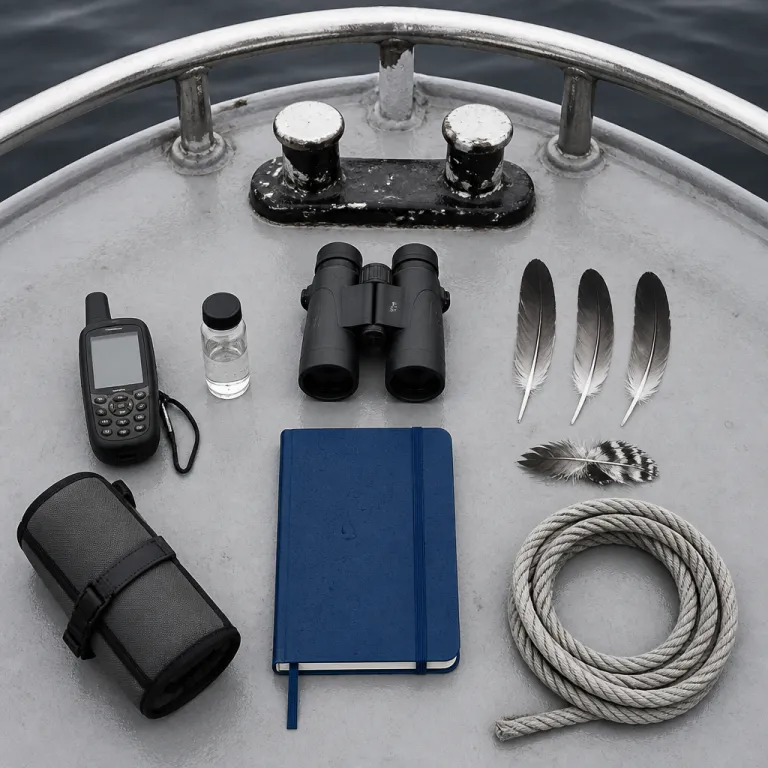
You step onto the bow of an expedition cruise ship and the wind hits hard. Within minutes the expedition équipe has turned that exposed deck into a floating field station where a seabird survey citizen science polar expedition cruise ocean health session quietly begins. What looked like a casual ocean gaze becomes a structured science program with clipboards, binoculars, and a clear protocol.
On serious expedition cruises in the Arctic and Antarctica, seabird monitoring is treated as real scientific work. The expedition team explains how each citizen science project follows standardized methods so that every bird you count becomes usable données in long term scientific studies of ocean health. You are not just watching wildlife ; you are joining one of the most accessible science projects in the polar regions.
During designated survey windows, passengers line the rail while scientists or trained naturalists call out species and distances. You learn to read the sea surface, track flight patterns, and help collect data collection points for fulmars, petrels, albatrosses, and skuas as the expedition ships move through different water masses. Those data are logged with time, position, and weather so that each expedition can be compared with earlier expeditions along the same route.
On a typical expedition cruise, the science zodiac might also be used as a low wake platform for closer transects when conditions allow. In the Antarctic Peninsula or around South Georgia, these science programs often run alongside other wildlife projects, from penguin counts to marine mammal monitoring. The rhythm is simple yet addictive ; a passing bird, a quick identification, a tally mark, and the quiet satisfaction of knowing that this small act feeds into real scientific projects tracking climate change and polar ocean health.
Why seabirds are the sharpest lens on polar ocean health
Seabirds sit exactly where ocean, climate, and wildlife intersect. In both the Arctic and Antarctic, they respond quickly to shifts in fish stocks, krill swarms, and sea ice, which makes every seabird survey citizen science polar expedition cruise ocean health session far more than a birdwatching exercise. Their movements and breeding success become living data about the state of the polar oceans.
Scientists working in the polar regions treat long term seabird monitoring as an early warning system. When you help collect data during citizen science programs, your counts can later be read against satellite images, ocean temperature records, and other scientific studies to show how climate change is reshaping food webs. A sudden drop in prions or a surge in skuas along the Antarctic Peninsula, for example, can signal deeper changes in krill availability or sea surface conditions.
On voyages that include South Georgia or the wider white continent, expedition teams often explain how different species occupy different ocean niches. Albatrosses track productive frontal zones, petrels work offshore waters, and coastal species hug the ice edge in both antarctic and arctic waters. Because these birds forage over vast distances, their presence around expedition ships offers a mobile snapshot of ocean health across entire polar expeditions.
If you are already a birder, specialist resources such as this guide to expert birding guidance in Svalbard can deepen your identification skills before you sail. Even if you arrive as a complete citizen science novice, the structure of each science project and science program on board ensures that your observations meet real scientific standards. In practice, that means your time on deck contributes to a growing archive of polar data that researchers can revisit whenever new climate questions emerge.
The learning curve on the bow: from petrel confusion to confident counts
Most solo travelers board their first expedition ships unable to separate a petrel from a prion. Within days, the combination of daily briefings, targeted science programs, and repetition during each seabird survey citizen science polar expedition cruise ocean health session builds a surprising level of competence. The process feels more like joining a small, focused workshop than sitting through a generic cruise lecture.
Onboard scientists and naturalists usually start with silhouettes and flight styles rather than dense field guide jargon. You learn to read wing length, tail shape, and banking angles while the expedition équipe quietly corrects misidentifications and explains why real scientific data collection depends on consistency more than perfection. Short deck sessions are often followed by evening talks that link what you saw to wider science projects on climate, ocean currents, and polar wildlife.
Some operators now pair seabird monitoring with other hands on activities, such as plankton sampling or phytoplankton microscopy, to show how different science projects interlock. If that appeals, look for itineraries that feature a dedicated science zodiac and a structured science program like the one described in this article on phytoplankton under the microscope. The more you see how your bird counts sit alongside other data, the easier it becomes to find patterns in the polar environment.
For travelers who want to extend this learning beyond the polar regions, resources such as this deep dive into the birds of Patagonia can help you compare southern ocean species with temperate counterparts. By the time your expedition reaches Antarctica or loops back through the Arctic, you will likely be reading the sky with the same quiet focus as the scientists beside you. That shift from casual watching to informed monitoring is where citizen science stops feeling like an activity and starts feeling like participation in a shared polar project.
Where the data go: from shipboard log to global climate records
Once the last tally mark is made and the expedition cruise ends, the real journey of your seabird data begins. Expedition teams collate the raw données from each seabird survey citizen science polar expedition cruise ocean health session, clean the entries, and align them with GPS tracks and weather logs. That curated dataset is then shared with long term monitoring programs that track change across the polar regions.
Different operators partner with different science programs, but the principle is similar across Antarctica, the Arctic, and the subantarctic islands. Your counts may feed into international databases used for scientific studies on climate change, marine protected area planning, or fisheries management, where scientists can read them alongside satellite derived ocean temperature and sea ice records. Because many expedition ships repeat similar routes along the Antarctic Peninsula or around South Georgia, year on year comparisons become possible.
Some lines now brief passengers explicitly on which science project or database will receive their data collection, which is a useful marker of a real scientific partnership. When you evaluate expeditions, ask how the operator’s science program is structured, how often science zodiac operations are used, and which external scientists have shaped the protocols. Clear answers signal that your time on deck will generate more than marketing copy about climate awareness.
For travelers who care about impact, this transparency matters as much as the wildlife encounters themselves. It turns a personal polar expedition into a small but measurable contribution to understanding ocean health across both the white continent and the high Arctic. Over multiple expeditions and multiple ships, those citizen science datasets become one of the quiet backbones of modern polar monitoring.
Choosing an expedition line that treats citizen science as more than a slogan
Not every polar cruise operator treats citizen science with the same seriousness. When you are comparing itineraries, look beyond the brochure language and read how each company describes its seabird survey citizen science polar expedition cruise ocean health activities in detail. The difference between a single lecture and an integrated science program is the difference between passive entertainment and meaningful participation.
Operators with genuine commitments usually highlight their partnerships with universities, research institutes, or conservation organizations working in Antarctica and the Arctic. They name the scientists involved, outline specific science projects, and explain how expedition teams are trained to help collect consistent data during both deck watches and science zodiac outings. You should be able to find clear references to long term monitoring, data sharing, and published scientific studies that have used expedition cruise datasets.
On board, look for signs that the expedition équipe has the time and resources to run these programs properly. That means scheduled survey windows, clear protocols, and space on the daily program for debriefs that link your observations to wider questions about climate change, wildlife trends, and ocean health in the polar regions. It also means that citizen science is woven through the voyage rather than squeezed into a single calm sea day.
For a solo explorer, this structure changes the feel of the entire journey. You are no longer just a passenger moving through Antarctica, South Georgia, or the Arctic on a comfortable ship ; you are part of a temporary field station that treats the white continent and its surrounding oceans as a living laboratory. Choose well, and your next expedition will leave you with more than memories and photographs — it will leave you with the quiet confidence that your time on the bow helped push polar science a little further.
FAQ
How accurate can seabird counts from passengers really be?
Accuracy depends on training, supervision, and standardized methods rather than prior expertise. When passengers work alongside experienced scientists or naturalists, follow clear protocols, and log uncertainties, the resulting data can be robust enough for inclusion in long term monitoring programs. The key is repetition across many expeditions, which smooths out individual errors and creates reliable trends.
Do I need birdwatching experience to join a seabird survey?
No previous birding background is required to contribute meaningfully to these surveys. Expedition teams usually start with simple identification tips and gradually add detail as your confidence grows. By the end of a typical voyage, most participants can distinguish the main polar seabird groups and record them consistently.
Are all polar expedition cruises offering citizen science programs?
Citizen science is increasingly common but far from universal across polar operators. Some lines run structured, multi discipline science programs with clear research partners, while others offer only occasional talks labeled as science. If this aspect matters to you, ask specific questions about data collection, external collaborations, and how often surveys are conducted before you book.
Can my seabird survey data influence conservation decisions?
Individual counts are small, but aggregated over many voyages and years they can inform real conservation work. Researchers use these datasets to track population shifts, identify important feeding areas, and support proposals for marine protected zones. Your contribution is one pixel in a much larger picture that helps decision makers understand change in the polar oceans.
Is citizen science available on both Arctic and Antarctic itineraries?
Yes, structured seabird surveys now run on many itineraries in both hemispheres. In the Arctic, programs often focus on species linked to sea ice and productive shelf waters, while in Antarctica they may emphasize albatrosses, petrels, and penguin foraging ranges. The core methods are similar, but the species list and ecological questions differ between regions.