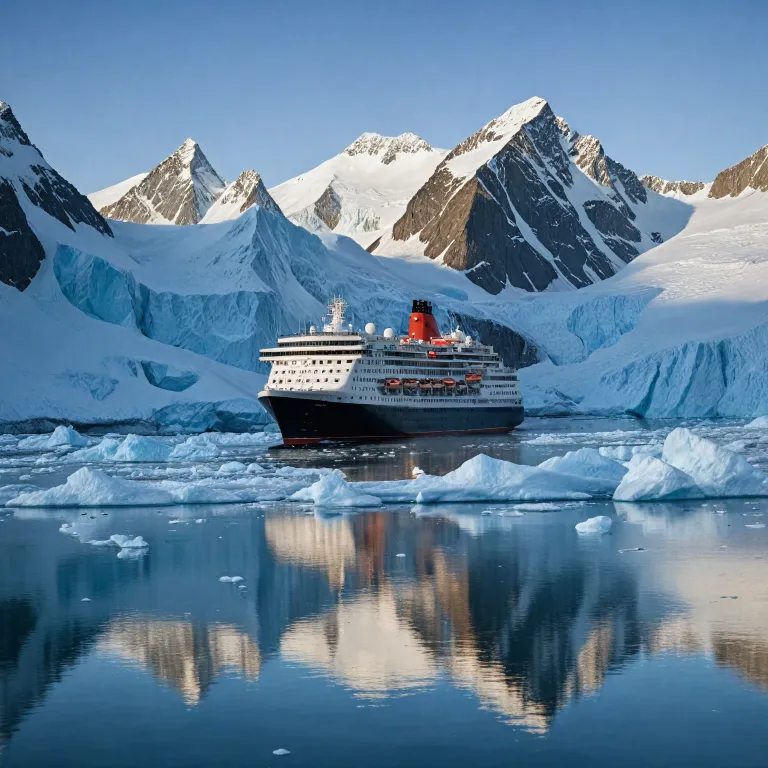
Antarctic cruise operations: evolving trends and polar star highlights
Antarctica cruise news today is shaped by a surge in polar expedition demand, with operators innovating to meet evolving traveler expectations. The polar star of the season has been the introduction of fly-cruise options, which allow guests to bypass the Drake Passage and reach the Antarctic Peninsula more efficiently. This operational shift has been embraced by major cruise lines, including Silversea Cruises and Lindblad Expeditions, both of which have expanded their service offerings to include direct flights and seamless vessel transfers. Amid operation deep freeze conditions, the resilience of cruise ship crews and their support teams is evident as they navigate pack ice and unpredictable weather. The coast guard and uscgc polar star play a vital role in ensuring safe passage for vessels, particularly in the challenging Ross Sea region. Antarctic cruise news today also features the deployment of advanced ice-class ships, such as the scenic eclipse and class christopher vessels, which are engineered to withstand the rigors of polar navigation. These ships, supported by experienced officer class and petty officer crews, exemplify the commitment to safety and environmental stewardship in the region.
Recent years have seen a notable increase in both the number and diversity of cruise itineraries, with operators like Quark Expeditions offering deep freeze adventures to remote destinations such as Snow Hill Island. The national science foundation and other partners provide crucial support for these expeditions, ensuring that environmental protocols are strictly observed. Antarctic cruise news today frequently highlights the importance of pack ice navigation, with the uscgc polar star and other coast guard vessels providing essential escort services. The operation deep freeze missions underscore the collaboration between military and civilian entities in maintaining safe and sustainable cruise operations. For travelers seeking the latest updates, the ability to download real-time news and vessel tracking information has become an invaluable tool, enhancing both safety and engagement during polar journeys.
Record-breaking seasons and the impact on Antarctic tourism
Antarctica cruise news today is marked by record-breaking seasons, with the Ushuaia Port Authority managing an unprecedented 19 cruise ship arrivals over just three days. This surge in activity reflects the growing appeal of polar expeditions, as well as the operational excellence of both Australian owned and internationally owned cruise lines. The influx of vessels, including the star wagb and other ice-class ships, has provided a significant boost to local economies and tourism services. Swan Hellenic, for example, reported a 25 percent increase in guest numbers and a 35 percent rise in net revenue, underscoring the robust demand for Antarctic experiences. The operation deep freeze missions, supported by the coast guard and uscgc polar star, ensure that these record seasons are managed safely and efficiently.
Environmental sustainability remains a central theme in Antarctic cruise news today, with operators prioritizing responsible tourism practices. The science foundation and national science partners collaborate closely with cruise lines to monitor the impact of increased vessel traffic on fragile polar ecosystems. The deployment of advanced icebreakers, such as the scenic eclipse and christopher bokum class ships, enables safer navigation through pack ice while minimizing environmental disturbance. For those interested in the operational aspects of polar expeditions, detailed news updates and downloadable resources are available through trusted industry platforms. For a comprehensive overview of polar cruise trends and innovations, visit this resource on Antarctic expedition developments.
Innovations in cruise ship technology and polar operations
Technological advancements are at the forefront of Antarctica cruise news today, with cruise ship operators investing in state-of-the-art vessels and support systems. The introduction of the class christopher and scenic eclipse ships has set new standards for safety, comfort, and environmental performance in polar waters. These vessels are equipped with reinforced hulls for navigating pack ice, advanced navigation systems, and onboard science labs that support both tourism and research. The role of the coast guard and uscgc polar star is pivotal in providing icebreaking and escort services, particularly during operation deep freeze missions in the Ross Sea and other remote regions.
Operational efficiency is further enhanced by the use of Zodiac excursions and kayaking equipment, allowing guests to experience the Antarctic landscape up close while minimizing environmental impact. Antarctic cruise news today also highlights the importance of officer class and petty officer training, ensuring that crews are prepared for the unique challenges of polar navigation. The integration of real-time news updates and downloadable safety protocols has become standard practice, enabling both guests and crew to stay informed amid operation deep freeze conditions. For insights into the latest vessel innovations and polar operations, explore this guide to Antarctic cruise technology.
Environmental stewardship and the role of the coast guard
Environmental responsibility is a cornerstone of Antarctica cruise news today, with cruise operators and support organizations working together to protect the pristine polar environment. The coast guard, including the uscgc polar star and other cutter vessels, plays a crucial role in monitoring ship movements and enforcing environmental regulations. Operation deep freeze missions are coordinated with the national science foundation and science foundation partners to ensure that all activities adhere to strict sustainability standards. The use of advanced ice-class ships, such as the scenic eclipse and class christopher vessels, reduces the risk of environmental incidents and supports ongoing research efforts.
Antarctic cruise news today frequently features updates on environmental initiatives, including waste management protocols, wildlife protection measures, and the reduction of carbon emissions. The collaboration between cruise lines, port authorities, and environmental organizations is essential for maintaining the delicate balance between tourism growth and ecosystem preservation. Guests are encouraged to download educational materials and participate in onboard conservation programs, fostering a deeper understanding of the polar regions.
Preparing for a polar expedition: practical advice and essential gear
Antarctica cruise news today emphasizes the importance of thorough preparation for polar expeditions, given the region’s extreme conditions and logistical challenges. Prospective travelers are advised to book expeditions well in advance due to high demand, particularly during peak years. Packing the right gear is essential; thermal clothing, waterproof outerwear, sturdy boots, and sun protection are all recommended for navigating pack ice and participating in Zodiac excursions. The operation deep freeze environment requires adaptability, as weather conditions can change rapidly and impact cruise ship itineraries.
Experienced officer class and petty officer crews provide guidance on safety protocols and environmental best practices throughout the journey. Antarctic cruise news today also highlights the value of choosing operators committed to sustainability, as reflected in their partnerships with the science foundation and national science organizations. Guests can download packing lists and safety guidelines from operator websites, ensuring they are well-prepared for the unique demands of polar travel. The support of the coast guard and uscgc polar star further enhances the safety and reliability of Antarctic expeditions, making these journeys both memorable and secure.
Expert perspectives: insights from officers and science foundation partners
Antarctica cruise news today benefits from the expertise of officers, scientists, and support staff who bring deep knowledge to every expedition. The collaboration between cruise ship crews, the coast guard, and science foundation partners ensures that operations are conducted with the highest standards of safety and environmental stewardship. As one expert notes, “Fly-cruise options involve flying over the Drake Passage to reach Antarctica, reducing travel time and avoiding rough seas.” This innovation has made polar expeditions more accessible and appealing to a wider audience.
Another frequently asked question is, “Which cruise operators offer Antarctic expeditions?” The answer: “Operators include Silversea Cruises, Seabourn, Swan Hellenic, Quark Expeditions, PONANT, Lindblad Expeditions, and HX (Hurtigruten Expeditions).” For those preparing for their journey, experts advise, “Essential items include thermal clothing, waterproof gear, sturdy boots, and sun protection.” Antarctic cruise news today continues to evolve, with new vessel launches, operational updates, and environmental initiatives shaping the future of polar tourism. The ongoing commitment of officer class and petty officer teams, supported by the coast guard and uscgc polar star, ensures that every expedition is both safe and enriching for guests and the environment alike.
Key statistics on Antarctic cruise operations
- Silversea's Antarctic Voyages: 34 voyages completed in the recent season.
- Swan Hellenic's Guest Increase: 25 percent rise in guest numbers for the 2024-2025 season.
- Ushuaia's Cruise Ship Arrivals: 19 ships arrived over three days, setting a new record.
Frequently asked questions about Antarctic cruises
What are fly-cruise options in Antarctic tourism?
Fly-cruise options involve flying over the Drake Passage to reach Antarctica, reducing travel time and avoiding rough seas.
Which cruise operators offer Antarctic expeditions?
Operators include Silversea Cruises, Seabourn, Swan Hellenic, Quark Expeditions, PONANT, Lindblad Expeditions, and HX (Hurtigruten Expeditions).
What should I pack for an Antarctic cruise?
Essential items include thermal clothing, waterproof gear, sturdy boots, and sun protection.
