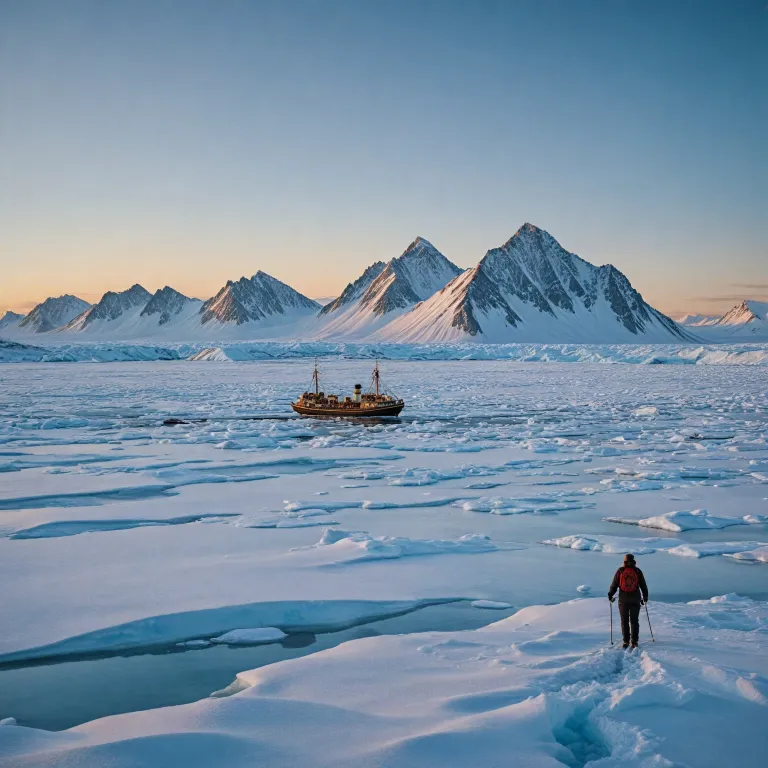
Expanding access: new travel routes and evolving infrastructure in the Arctic region
Recent developments in arctic travel news highlight a significant expansion of access to the high arctic. Air Greenland has introduced new routes from Nuuk Airport to Billund and Aalborg, with stopovers at Keflavík International Airport, making it easier for travelers to reach Greenland and neighboring arctic destinations. These new connections not only benefit those seeking to visit Greenland but also enhance links between greenland canada, greenland norway, and greenland america. Improved infrastructure is crucial for both tourism and scientific research, as it allows for more efficient movement of people and equipment throughout the arctic region.
Tour operators are responding to increased demand for arctic tours, particularly in the high arctic and areas such as Svalbard and Tromso. The expansion of flight routes has made it possible to organize more specialized tours, including winter expeditions to witness the northern lights or observe polar bears in their natural habitat. However, travelers should stay informed about potential flight cancellations and hotel shortages, especially during peak travel periods. The latest arctic travel news also emphasizes the importance of checking weather forecasts before embarking on a journey, as arctic conditions can change rapidly and impact travel plans.
Military exercises, such as those conducted by Operation Nanook Participants, demonstrate the strategic importance of the arctic region and the need for robust infrastructure. These activities ensure that access to remote areas remains secure and that emergency response capabilities are maintained. As the arctic circle becomes more accessible, collaboration between countries like canada, greenland, and norway is essential for sustainable development and responsible tourism.
Environmental shifts: climate change and its impact on arctic travel and wildlife
Climate change is reshaping the arctic region, with profound effects on travel, wildlife, and local communities. According to the Arctic Report Card, there has been a 50 percent reduction in June snow coverage compared to the 1960s and a similar decline in summer sea ice extent since the 1980s. These changes are altering the landscape, affecting the habitats of polar bears and other iconic species, and influencing the timing and accessibility of arctic cruises and tours. Tour operators must adapt their itineraries to account for shifting ice conditions and unpredictable weather patterns.
The WWF Arctic Programme and research teams such as the Tara Polaris Expedition Team are actively monitoring these environmental changes. Their work is essential for understanding the long-term impacts of climate change on the arctic region and for informing policy decisions. The objectives of the Tara Polaris expeditions are clear: "The Tara Polaris expeditions aim to implement a sustained multi-decadal observation program to monitor Arctic environmental changes from 2026 to 2046." This commitment to long-term research ensures that the latest arctic travel news remains grounded in scientific expertise and credibility.
Travelers seeking to experience the arctic must consider the environmental footprint of their journeys. Responsible tour operators are increasingly offering eco-friendly options, such as low-impact cruises and guided tours that prioritize conservation. The high arctic is a fragile ecosystem, and every visit should be planned with care. For more information on sustainable travel options and climate initiatives, explore our arctic climate change resources.
Polar expeditions: scientific research and the role of multidisciplinary teams
Scientific expeditions are at the forefront of arctic travel news, driving innovation and expanding our understanding of the region. The GoNorth Expedition Team and the CONTRASTS Expedition Team are leading multidisciplinary research efforts to study the geology, oceanography, and biology of the arctic ocean. These teams use advanced tools, including research icebreakers and satellite data, to collect vital information about sea ice, climate patterns, and ecosystem health. The CONTRASTS expedition, for example, investigates sea-ice melt across different regimes in the central arctic ocean, providing valuable insights into the processes driving environmental change.
Collaboration between research teams, military forces, and environmental organizations is essential for the success of these expeditions. Operation Nanook Participants conduct arctic military exercises to ensure security and support scientific missions. The integration of multidisciplinary expertise strengthens the credibility and authority of arctic research, ensuring that findings are robust and actionable. As the arctic region becomes more accessible, the role of scientific expeditions in informing arctic travel news and policy decisions will only grow.
Travelers interested in participating in or supporting scientific expeditions can find opportunities through reputable tour operators and research organizations. These experiences offer a unique perspective on the high arctic and contribute to ongoing efforts to monitor and protect the region. For detailed information on current expeditions and how to get involved, visit our arctic expedition guide.
Tourism trends: cruises, northern lights, and the evolving appeal of the arctic
The arctic region has become a sought-after destination for travelers seeking unique experiences, from polar cruises to winter adventures under the northern lights. The latest arctic travel news reports an increase in foreign stays in northern Norway, with a 13 percent rise in September, while some areas like Finnmark county have seen a slight decline in tourists. This dynamic reflects changing preferences and the growing appeal of destinations such as Tromso, Svalbard, and Iceland.
Cruise operators are adapting to new environmental realities by offering routes that navigate the northwest passage and explore the high arctic. These journeys provide unparalleled access to remote landscapes, wildlife, and indigenous cultures. However, travelers must stay informed about the latest news trump and greenland trump developments, as geopolitical factors can influence access and regulations. The presence of military exercises and increased interest from leaders such as donald trump and the prime minister underscores the strategic significance of the arctic region.
Tour operators are also innovating with specialized tours focused on wildlife observation, photography, and cultural exchange. The opportunity to witness polar bears, sea ice, and the northern lights draws visitors from around the world. As the arctic circle becomes more accessible, it is essential to balance tourism growth with conservation efforts. Travelers are encouraged to skip content that does not prioritize sustainability and to choose operators committed to responsible practices.
Geopolitical dynamics: military presence, policy, and international cooperation
The arctic region is increasingly at the center of geopolitical discussions, with military, economic, and environmental interests intersecting. Military exercises, such as those conducted by Operation Nanook Participants, demonstrate a commitment to arctic security and the protection of national interests. These activities are closely monitored in arctic travel news, as they can impact access, regulations, and the safety of travelers and researchers alike.
International cooperation is vital for managing the challenges and opportunities presented by the arctic. Countries such as canada, greenland, norway, and america are working together to enhance infrastructure, support scientific research, and develop sustainable tourism policies. The involvement of high-profile figures, including donald trump and the prime minister, highlights the importance of informed decision-making based on credible data and expert analysis. News trump and greenland trump developments are closely followed by stakeholders in the travel and research sectors.
Policy decisions related to climate change, environmental protection, and indigenous rights are shaping the future of arctic travel. The latest arctic travel news emphasizes the need for transparent communication and collaboration among governments, tour operators, and local communities. As the region evolves, staying informed about policy changes and geopolitical developments is essential for anyone planning to visit or invest in the arctic.
Practical guidance: preparing for arctic and antarctic travel
Traveling to the arctic requires careful preparation and a thorough understanding of the unique challenges posed by the environment. The latest arctic travel news advises travelers to check weather forecasts before departure, as conditions can change rapidly and impact flight schedules. Be aware of potential flight cancellations and accommodation shortages, particularly during high season or in remote areas. Staying informed about environmental advisories and local regulations is essential for a safe and enjoyable journey.
Tour operators play a crucial role in providing up-to-date information and ensuring that travelers are well-prepared. Many offer pre-trip briefings, equipment rentals, and expert guides to enhance the experience. When planning a cruise or tour, consider the timing of your visit—greenland august, for example, offers unique opportunities to witness wildlife and changing landscapes. The high arctic and svalbard arctic are particularly popular for winter expeditions and northern lights tours.
Responsible travel is a key theme in arctic travel news. Choose operators that prioritize sustainability, minimize environmental impact, and support local communities. By making informed choices and respecting the fragile ecosystems of the arctic region, travelers can contribute to the preservation of this extraordinary destination for future generations.
Staying informed: resources, news updates, and expert recommendations
With rapid changes occurring in the arctic region, staying informed is more important than ever. The latest arctic travel news provides updates on access, climate, research, and policy developments. Trusted sources such as the WWF Arctic Programme, AccuWeather, and leading research teams offer reliable information on environmental conditions and travel advisories. "What new flight routes have been introduced in the Arctic region? Air Greenland has introduced new routes from Nuuk Airport to Billund and Aalborg, with stopovers at Keflavík International Airport."
Travelers are encouraged to subscribe to news alerts, follow updates from reputable organizations, and consult expert guides when planning their trips. The integration of real-time data, expert analysis, and on-the-ground reports ensures that travelers have access to the most accurate and relevant information. Whether you are interested in a cruise, a scientific expedition, or a cultural tour, staying informed will enhance your experience and help you navigate the complexities of arctic travel.
For ongoing updates and expert recommendations, explore our curated list of resources and connect with experienced tour operators. The arctic region offers unparalleled opportunities for adventure, discovery, and learning. By staying informed and making responsible choices, you can ensure a memorable and meaningful journey.
Key statistics on arctic travel and environmental change
- Increase in foreign stays in Northern Norway: 13 percent rise in September
- Decline in tourists in Finnmark county: 2 percent decrease in September
- Reduction in June snow coverage compared to 1960s: 50 percent
- Decline in summer sea ice extent since 1980s: 50 percent
Frequently asked questions about arctic travel news
What new flight routes have been introduced in the Arctic region?
Air Greenland has introduced new routes from Nuuk Airport to Billund and Aalborg, with stopovers at Keflavík International Airport.
What are the objectives of the Tara Polaris expeditions?
The Tara Polaris expeditions aim to implement a sustained multi-decadal observation program to monitor Arctic environmental changes from 2026 to 2046.
How has Arctic tourism been affected recently?
Arctic tourism in Kirkenes, Norway, has been impacted by flight cancellations and hotel shortages, despite an overall increase in foreign stays in Northern Norway.
