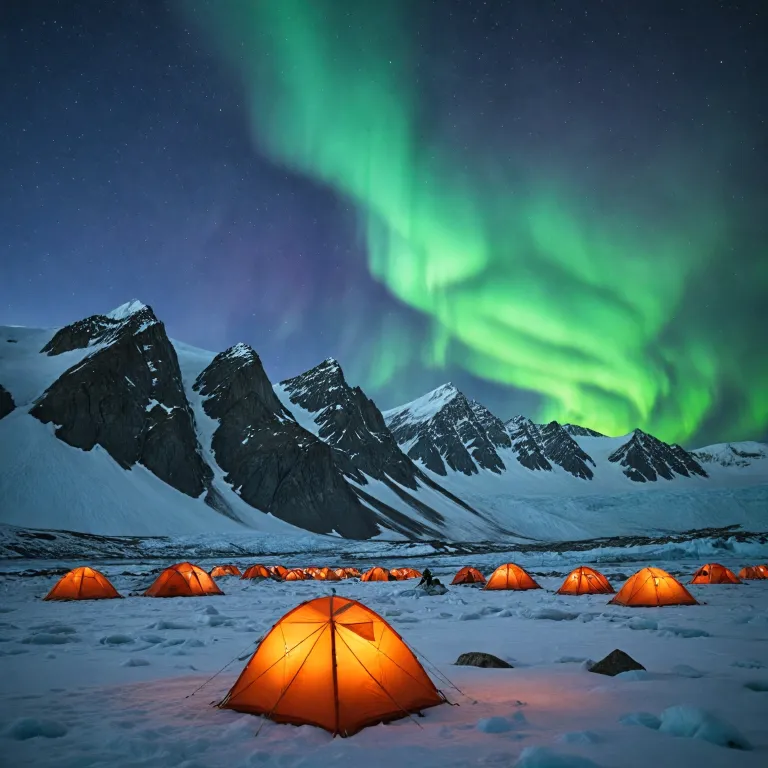
Understanding the unique allure of Arctic and Antarctic camping adventures
Camping adventures in the Arctic and Antarctic offer a rare opportunity to experience the polar regions in their purest form. The Arctic and Antarctic are not just destinations; they are realms of extremes, where the interplay of ice, light, and wildlife creates a landscape unlike any other. For those seeking Arctic and Antarctic travel, camping provides a direct connection to the environment, far from the comforts of traditional accommodations. The silence of the polar night, punctuated only by the distant crack of shifting ice, is an experience that stays with travelers long after their journey ends. These camping adventures are meticulously planned to ensure safety and comfort, with expert guides leading small groups across the tundra or ice shelf. The Arctic and Antarctic each present their own challenges and rewards, from the midnight sun in the north to the ethereal blue of Antarctic glaciers. Travelers are drawn to these regions for the chance to witness wildlife such as polar bears, penguins, and seals in their natural habitats. The immersive nature of camping adventures in these regions fosters a deep appreciation for the fragility and beauty of the polar ecosystems. Whether pitching a tent on the Antarctic Peninsula or setting up camp beneath the aurora borealis in the Arctic, each night spent under the polar sky is a testament to human resilience and curiosity. The experience is not just about survival; it is about thriving in one of the planet's most awe-inspiring environments.
Essential preparations for Arctic and Antarctic camping adventures
Preparation is the cornerstone of any successful Arctic and Antarctic travel experience, especially when embarking on camping adventures. The extreme cold, unpredictable weather, and remote locations demand careful planning and specialized equipment. Travelers must select clothing that offers both insulation and breathability, with layers that can be adjusted as conditions change. Sleeping systems are designed to withstand subzero temperatures, ensuring a restful night even when the mercury drops. Guides provide detailed briefings on safety protocols, including how to avoid frostbite and hypothermia. Nutrition is another key consideration; high-calorie meals are essential to maintain energy levels during long days of exploration. Water sources are often limited, so melting snow or ice becomes a daily ritual. For those interested in combining camping with other activities, such as Arctic dog sledding tours, additional gear and training may be required. Communication devices and emergency beacons are standard issue, providing a lifeline in case of unexpected events. The logistical challenges of Arctic and Antarctic travel are significant, but they are part of what makes these camping adventures so rewarding. Each detail, from the choice of campsite to the daily itinerary, is carefully considered to maximize safety and enjoyment. The preparation phase is not just about gear; it is about cultivating the mindset needed to embrace the unknown and adapt to the ever-changing polar environment.
Immersive experiences: daily life on a polar camping expedition
Life on a camping adventure in the Arctic or Antarctic is defined by routine and adaptability. Each day begins with the ritual of emerging from a warm sleeping bag into the crisp, invigorating air. Breakfasts are hearty, designed to fuel the body for a day of exploration. Activities vary depending on location and season, but may include guided hikes, wildlife observation, and ice climbing. The pace is deliberate, allowing travelers to fully absorb the majesty of their surroundings. In the Arctic, the chance to witness the northern lights adds a layer of magic to each evening. In the Antarctic, the sight of penguin colonies and towering icebergs provides constant reminders of the region's unique biodiversity. Camp chores are shared among participants, fostering a sense of camaraderie and teamwork. The simplicity of daily life, stripped of modern distractions, allows for deep reflection and connection with nature. For those seeking further insight into the realities of polar camping, the article on Arctic camping adventures offers a comprehensive overview. Evenings are spent recounting the day's experiences, sharing stories, and preparing for the next day's challenges. The immersive nature of these camping adventures ensures that every moment is filled with purpose and wonder. The bonds formed during these expeditions often last a lifetime, united by the shared experience of thriving in one of the world's most remote environments.
Wildlife encounters and environmental stewardship in polar regions
One of the most compelling aspects of Arctic and Antarctic travel is the opportunity for close encounters with wildlife. Camping adventures place travelers in the heart of these ecosystems, offering unparalleled access to species that are rarely seen elsewhere. In the Arctic, polar bears, Arctic foxes, and reindeer roam the tundra, while the Antarctic is home to penguins, seals, and a variety of seabirds. Responsible wildlife observation is a cornerstone of these expeditions, with strict guidelines in place to minimize human impact. Guides are trained to interpret animal behavior and ensure that encounters are safe for both travelers and wildlife. Environmental stewardship is woven into every aspect of the camping experience, from waste management to the use of eco-friendly materials. Travelers are encouraged to participate in citizen science initiatives, contributing valuable data to ongoing research efforts. The fragility of the polar environments is a constant reminder of the importance of conservation. Each camping adventure is an opportunity to learn about the interconnectedness of these ecosystems and the challenges they face. The lessons learned in the Arctic and Antarctic often inspire travelers to become advocates for environmental protection upon their return. The sense of responsibility that comes from witnessing these landscapes firsthand is a powerful motivator for positive change. For those preparing for such journeys, reviewing what to pack for an Antarctic cruise can provide valuable insights into minimizing environmental impact while maximizing comfort and safety.
Challenges and rewards of polar camping adventures
Camping adventures in the Arctic and Antarctic are not without their challenges. The extreme cold, isolation, and unpredictable weather can test even the most experienced travelers. Adapting to the polar environment requires resilience, flexibility, and a willingness to embrace discomfort. Yet, it is precisely these challenges that make the experience so rewarding. Overcoming obstacles such as setting up camp in high winds or navigating through deep snow fosters a sense of accomplishment and self-reliance. The rewards are equally profound: witnessing the dance of the aurora borealis, listening to the calls of distant wildlife, and feeling the crunch of snow beneath your boots. The sense of scale and solitude in the polar regions is unmatched, offering a perspective that is both humbling and inspiring. Each camping adventure is a journey of self-discovery, pushing the boundaries of what is possible. The camaraderie that develops among participants is a testament to the power of shared adversity. The memories forged in the Arctic and Antarctic endure long after the journey ends, serving as a reminder of the resilience of both the human spirit and the natural world. The challenges faced during these expeditions are not obstacles to be avoided, but opportunities for growth and transformation. The rewards, both tangible and intangible, are the true treasures of Arctic and Antarctic travel.
Planning your own Arctic or Antarctic camping adventure
Embarking on a camping adventure in the Arctic or Antarctic requires careful planning and a commitment to safety. Selecting a reputable tour operator with experience in polar expeditions is essential. It is important to research the specific requirements of each region, including visa regulations, health considerations, and environmental guidelines. Packing lists should be tailored to the unique demands of Arctic and Antarctic travel, with an emphasis on layering, waterproof gear, and specialized equipment. Travelers should be prepared for a range of activities, from hiking and wildlife observation to ice climbing and photography. Understanding the risks associated with polar camping, such as exposure and isolation, is crucial for a successful journey. Many operators offer pre-trip training sessions to familiarize participants with the skills needed for survival in extreme conditions. Insurance coverage for medical emergencies and evacuation is highly recommended. The decision to embark on a camping adventure in the polar regions is not one to be taken lightly, but the rewards are well worth the effort. With proper preparation and a spirit of adventure, travelers can experience the Arctic and Antarctic in a way that few others ever will. The journey is as much about personal growth as it is about exploration, offering a chance to connect with some of the most pristine and awe-inspiring landscapes on Earth.
Key statistics about Arctic and Antarctic camping adventures
- No dataset provided.
Frequently asked questions about Arctic and Antarctic camping adventures
- No dataset provided.
