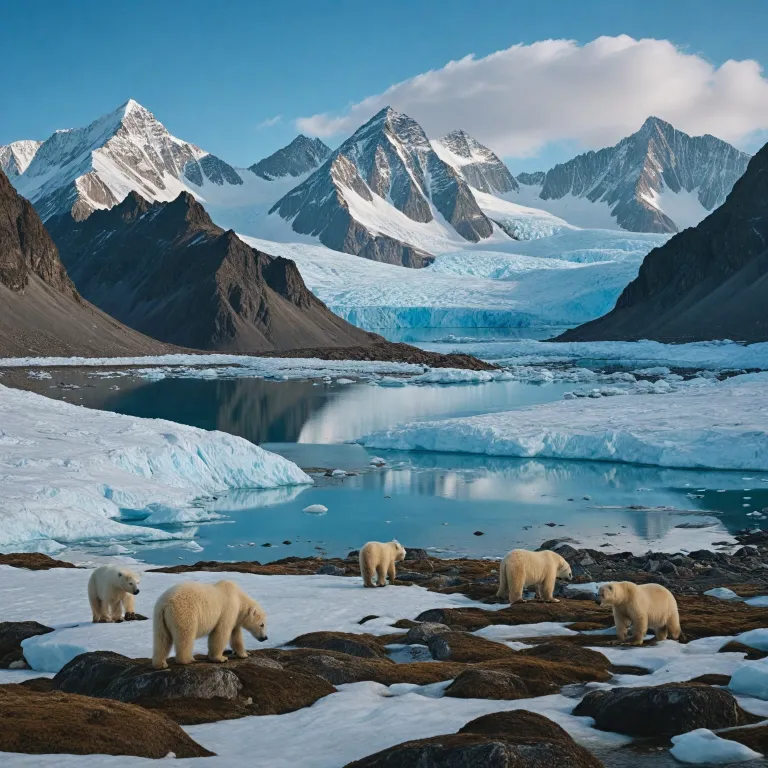
Understanding the complexities of Arctic and Antarctic visa requirements
Traveling to the Arctic and Antarctic regions presents unique challenges, especially regarding visa and entry requirements. The Arctic encompasses territories belonging to several countries, including Norway, Russia, Canada, Denmark (Greenland), and the United States. Each nation enforces its own visa policies, which can vary significantly for Arctic travel. For instance, visiting Svalbard in Norway does not require a visa for most nationalities, but transiting through mainland Norway does. In contrast, Russia’s Arctic territories demand a Russian visa, often with additional permits for remote regions. Antarctic travel is governed by the Antarctic Treaty System, which does not issue visas but requires visitors to comply with the regulations of their departure country. Travelers embarking from Argentina or Chile must adhere to those countries’ entry requirements. Understanding these distinctions is crucial for anyone planning Arctic and Antarctic travel. Visa and entry requirements for both regions can change, so it is essential to consult official government resources before departure. Always confirm the latest regulations for Arctic and Antarctic travel to avoid unexpected complications at border controls.
Key documentation and permits for polar expeditions
Securing the correct documentation is vital for a seamless Arctic and Antarctic travel experience. In the Arctic, travelers may need special permits in addition to standard visas, particularly for areas with indigenous populations or military significance. For example, Greenland requires an additional travel authorization for certain remote settlements. Russia’s Arctic region often mandates an invitation letter and a special border zone permit. Antarctic travel, while not requiring a visa, demands compliance with environmental protocols and, in some cases, authorization from national authorities. Many Antarctic expeditions depart from Ushuaia, Argentina, or Punta Arenas, Chile, making their visa and entry requirements relevant for all travelers. For comprehensive guidance on Antarctic travel restrictions and safe expeditions, refer to this detailed resource on Antarctic travel restrictions. Always ensure your passport is valid for at least six months beyond your planned return date. Carry printed copies of all permits, authorizations, and travel insurance documents, as internet access can be limited in polar regions. Proper documentation is a cornerstone of successful Arctic and Antarctic travel, preventing delays and ensuring compliance with local laws.
Visa application processes and timelines for polar destinations
Applying for visas and permits for Arctic and Antarctic travel requires careful planning. Processing times can vary widely, from a few days for electronic authorizations to several weeks for traditional visas. For Arctic destinations like Canada or Russia, start the application process at least two months in advance. Some countries, such as Norway, offer streamlined online applications for Schengen visas, which cover Svalbard transit. Russian Arctic travel often involves a more complex process, including background checks and detailed itineraries. Antarctic travel typically does not involve a visa, but if your expedition is organized by a national operator, you may need to submit environmental impact forms or obtain approval from your home country’s Antarctic authority. Expeditions departing from South America require travelers to comply with Argentinian or Chilean entry requirements, which may include proof of onward travel and sufficient funds. Always monitor embassy websites for updates on Arctic and Antarctic travel regulations. Early preparation ensures you meet all visa and entry requirements, reducing the risk of last-minute issues.
Special considerations for group and solo travelers
Group and solo travelers face different challenges when navigating Arctic and Antarctic travel requirements. Organized tours often handle permits and entry documentation, streamlining the process for participants. However, independent travelers must take full responsibility for securing visas, permits, and compliance with local regulations. In the Arctic, solo travelers may need to provide detailed itineraries and proof of accommodation to obtain permits, especially in remote areas. Some regions, such as Greenland or the Canadian Arctic, require travelers to register with local authorities for safety reasons. Antarctic expeditions are typically group-based, but solo travelers must still ensure their documentation aligns with the requirements of the departure country. Health and evacuation insurance is mandatory for most Antarctic operators and strongly recommended for Arctic travel. Whether traveling alone or in a group, always verify that all Arctic and Antarctic travel documents are in order before departure. This diligence minimizes the risk of denied entry or logistical complications during your journey.
Health, safety, and environmental protocols for polar entry
Health and safety regulations are integral to Arctic and Antarctic travel. Many countries require proof of medical insurance that covers evacuation and emergency care in remote regions. Vaccination requirements are generally minimal, but travelers should check for updates related to global health concerns. Environmental protection is a core principle of Antarctic travel, with strict protocols to prevent contamination and preserve fragile ecosystems. Visitors must adhere to guidelines on waste disposal, wildlife interaction, and biosecurity measures. In the Arctic, local authorities may enforce similar environmental standards, particularly in national parks and indigenous territories. Carrying appropriate gear is essential for safety and compliance; consult this comprehensive packing list for polar adventures to ensure you are well prepared. Always respect local customs and environmental rules to support sustainable Arctic and Antarctic travel. Compliance with health, safety, and environmental protocols is not only a legal requirement but also a responsibility to future generations of explorers.
Staying informed: resources and expert advice for polar travelers
Reliable information is the foundation of successful Arctic and Antarctic travel. Official government websites, embassy advisories, and reputable travel operators provide up-to-date guidance on visa and entry requirements. Subscribe to travel alerts for your destination to receive timely updates on policy changes or emerging risks. Experienced polar travelers recommend maintaining digital and physical copies of all essential documents, including visas, permits, and insurance certificates. Joining forums or social media groups dedicated to Arctic and Antarctic travel can offer practical insights and firsthand experiences. For specialized advice, consult travel agencies with expertise in polar regions, as they can navigate complex regulations and provide tailored recommendations. Staying informed and proactive ensures your Arctic and Antarctic travel experience is safe, legal, and memorable. Always prioritize credible sources and expert advice when planning your journey to the world’s most remote frontiers.
Key statistics on Arctic and Antarctic travel requirements
- Percentage of Arctic countries requiring special permits for remote regions: [Insert statistic if available]
- Average processing time for Russian Arctic visa applications: [Insert statistic if available]
- Number of Antarctic Treaty nations with mandatory environmental protocols: [Insert statistic if available]
Frequently asked questions about Arctic and Antarctic visa and entry requirements
What documents are needed for Arctic travel?
Travelers typically need a valid passport, appropriate visas for each country visited, and any required permits for specific Arctic regions. Always check with the embassy of your destination for the latest requirements.
Is a visa required for visiting Antarctica?
Antarctica itself does not require a visa, but travelers must comply with the entry requirements of the country from which their expedition departs, such as Argentina or Chile. Additional permits may be necessary depending on your nationality and the nature of your visit.
Are there health or insurance requirements for polar expeditions?
Most operators require proof of comprehensive health and evacuation insurance. Some Arctic and Antarctic regions may also have specific health protocols or vaccination requirements, so always verify before departure.
