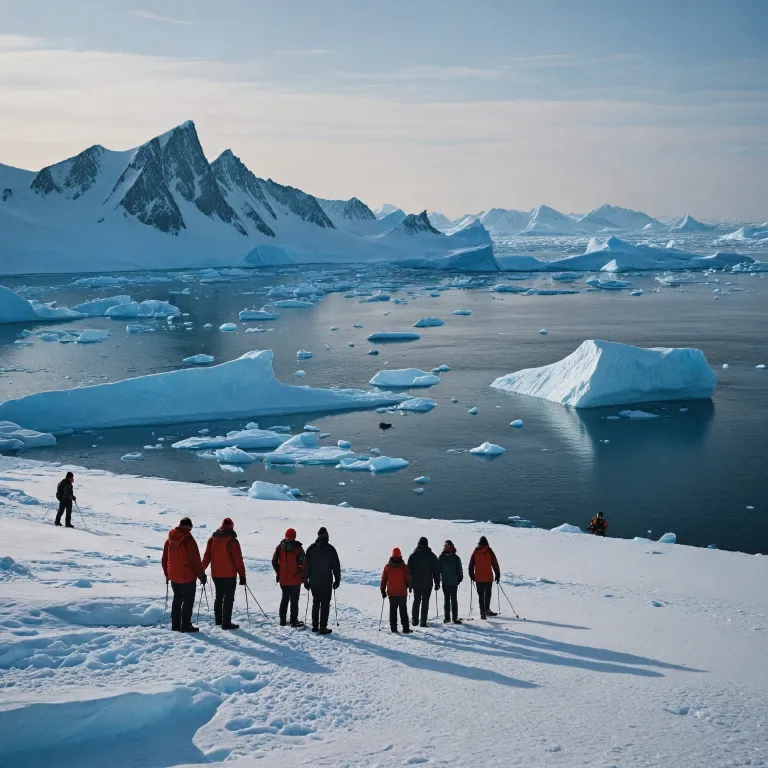
Understanding the unique safety requirements for Antarctica travel
Traveling to Antarctica presents a set of safety requirements unlike any other destination. The continent’s extreme weather conditions, with average summer temperatures around -2°C, demand careful planning and the right gear. Travelers must review all entry requirements before embarking on an Antarctica expedition, as regulations are strictly enforced by tour operators and authorities. Comprehensive travel insurance is not just recommended—it is a necessity for anyone considering an Antarctica cruise or air cruise. The unpredictable nature of the Antarctic environment means that travelers should always be prepared for sudden changes in weather conditions and have contingency plans in place. Choosing a reputable tour operator, such as those affiliated with the International Association of Antarctica Tour Operators (IAATO), ensures adherence to the highest safety standards and environmental protocols. These operators provide detailed briefings on safety tips, wildlife interactions, and emergency procedures, making your trip to Antarctica both safe and enriching. When planning your expedition, factor in the time of year, as the Antarctic summer offers milder conditions and increased wildlife activity, enhancing your overall experience. Remember, the requirements for travel Antarctica are stringent to protect both travelers and the fragile ecosystem.
Choosing the right tour operator and cruise ship for your Antarctic expedition
Selecting a qualified tour operator is one of the most important Antarctica travel safety tips. Look for operators with a proven track record in Antarctic expeditions, such as Quark Expeditions or those offering the Magellan Explorer ship. These tour operators prioritize safety, environmental responsibility, and traveler education. Before booking your Antarctica cruise, review the operator’s safety protocols, crew training, and emergency preparedness measures. The best tour operators will provide detailed information on gear requirements, including the necessity of rubber boots, layered clothing, and UV-protective sunglasses. When comparing cruise ships, consider their ice-class rating, medical facilities, and the ratio of staff to travelers. A well-equipped ship enhances your safety and comfort during the trip. Many expeditions depart from Punta Arenas or Buenos Aires, so ensure your travel arrangements align with the cruise schedule and entry requirements. For more insights on selecting the best expedition, consult this comprehensive review of Antarctic cruise operators. The right choice of operator and ship will significantly impact your Antarctica experience, ensuring your journey is both safe and unforgettable.
Essential gear and packing tips for a safe Antarctica expedition
Proper gear is fundamental to staying safe during your Antarctica expedition. Layered, moisture-wicking clothing is essential for regulating body temperature in fluctuating weather conditions. Rubber boots are mandatory for shore landings, protecting your feet from icy waters and ensuring compliance with environmental protocols. High-SPF sunscreen and UV-protective sunglasses shield you from the intense Antarctic sun, which reflects off the ice and snow. Tour operators provide detailed packing lists, but travelers should also bring personal items such as medications, extra gloves, and waterproof bags. The Magellan Explorer and similar ships often supply specialized gear, but always review what is included and what you must bring yourself. Packing efficiently ensures you are prepared for every aspect of your trip, from wildlife excursions to shipboard activities. For a detailed checklist and gear recommendations, visit this Antarctica expedition gear guide. Remember, the right equipment is not just about comfort—it is a critical component of your overall safety strategy during your Antarctica travel experience.
Wildlife encounters and environmental safety in the Antarctic
Antarctica’s pristine environment and unique wildlife are major draws for travelers, but they also require strict adherence to safety and environmental guidelines. IAATO recommends maintaining a minimum distance of 5 meters from wildlife to prevent disturbance and ensure both traveler and animal safety. Tour operators provide briefings on how to interact responsibly with penguins, seals, and seabirds during your trip Antarctica. Following these guidelines is essential for preserving the delicate Antarctic ecosystem and ensuring your own safety. Travelers should avoid leaving any waste behind and ensure all gear is cleaned before arrival to prevent introducing non-native species. The review of environmental protocols by reputable operators like Quark Expeditions and Aurora Expeditions ensures that every expedition meets the highest standards. As you visit Antarctica, remember that your actions have a direct impact on the environment and wildlife. Responsible travel practices, such as those promoted by IAATO, are integral to keeping Antarctica safe for future generations.
Medical preparedness and travel insurance for Antarctic travelers
Medical preparedness is a cornerstone of Antarctica travel safety tips. The continent’s remoteness means that access to medical facilities is extremely limited, making comprehensive travel insurance with medical evacuation coverage essential. Tour operators require proof of insurance before allowing travelers to board the ship or participate in an air cruise. It is advisable to carry a personal medical kit, including prescription medications and basic first aid supplies. The review of your health status and vaccination requirements should be completed well before departure. Travelers should also enroll in the Smart Traveler Enrollment Program (STEP) for added security and support. “Do I need special insurance for traveling to Antarctica? Yes, comprehensive travel insurance that includes medical evacuation is highly recommended due to the limited medical facilities on the continent.” This expert advice underscores the importance of being fully prepared for any health-related emergencies during your Antarctica expedition. The best operators, such as those running the Magellan Explorer, have trained medical staff on board, but self-sufficiency is crucial. Always verify the specific insurance requirements for your trip Antarctica and ensure your policy meets all operator and entry requirements.
Planning your itinerary: Timing, logistics, and maximizing your Antarctic experience
Effective planning is vital for a successful and safe Antarctica travel experience. The optimal time to visit Antarctica is during the summer months, when wildlife is most active and weather conditions are relatively mild. Expeditions typically depart from Punta Arenas or Buenos Aires, so factor in travel logistics and allow ample time for connections. Review all entry requirements and ensure your documents are in order before departure. Tour operators provide detailed itineraries, but flexibility is key due to the unpredictable Antarctic weather. “What is the best time to visit Antarctica? The optimal time to visit is during the Antarctic summer, from November to March, when temperatures are milder and wildlife is most active.” This period offers the best opportunities for wildlife viewing and shore excursions. When booking your Antarctica cruise or air cruise, consider the length of the expedition, the ship’s amenities, and the expertise of the crew. The review of previous travelers’ experiences can provide valuable insights into what to expect. By following these Antarctica travel safety tips and working with experienced tour operators, you will maximize both the safety and enjoyment of your trip Antarctica.
Key statistics for Antarctica travel safety
- Average summer temperature in Antarctica: -2°C
- Percentage of Antarctica covered by ice: 99%
- Minimum recommended distance from wildlife: 5 meters
Frequently asked questions about Antarctica travel safety tips
What is the best time to visit Antarctica?
The optimal time to visit is during the Antarctic summer, from November to March, when temperatures are milder and wildlife is most active.
Do I need special insurance for traveling to Antarctica?
Yes, comprehensive travel insurance that includes medical evacuation is highly recommended due to the limited medical facilities on the continent.
How can I minimize my environmental impact while visiting Antarctica?
Follow IAATO guidelines, maintain a safe distance from wildlife, avoid leaving any waste, and ensure all gear is cleaned to prevent introducing non-native species.
