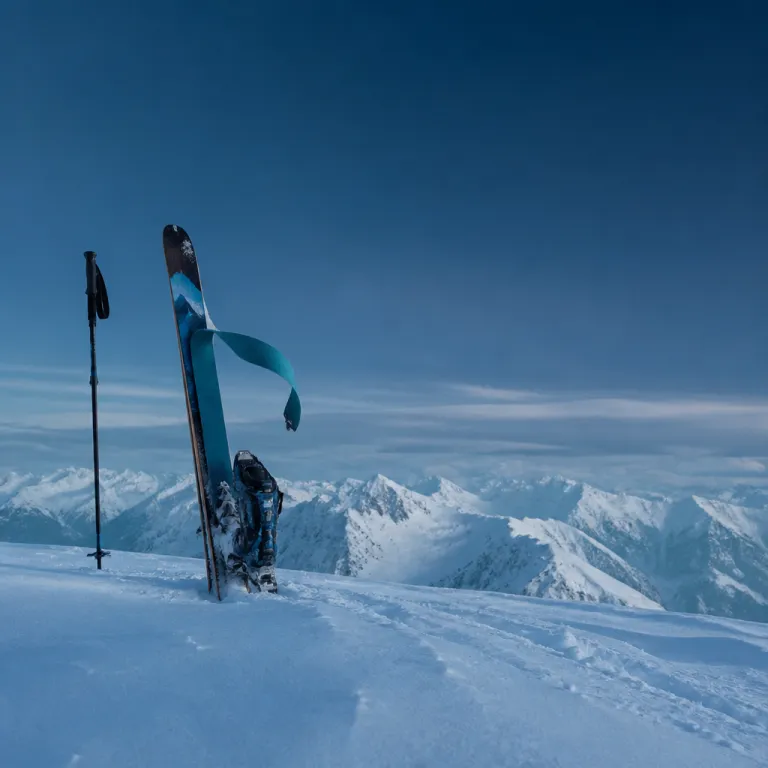
Why ski mountaineering in Alaska defines the Arctic frontier
Ski mountaineering in Alaska sits at the meeting point of polar wilderness and high mountain craft. For many Arctic travelers, a carefully planned ski mountaineering Alaska journey becomes the most intense way to feel the scale of the north. In practice, it blends advanced ski skills, technical mountaineering and glacier travel into a single, demanding trip.
When you commit to ski mountaineering, Alaska rewards you with immense mountains, deep snow and long spring days. The Alaska Range, the Chugach Mountains near Valdez and the vast Wrangell–St. Elias region all offer serious backcountry skiing terrain that rivals classic European ski touring areas. Here, a single ski tour can involve a ski plane approach, a glaciated ascent and a steep, cold descent back to a remote base camp.
Experts define ski mountaineering as a discipline that “combines skiing and mountaineering to ascend and descend mountains.” That definition becomes very real when you clip into your ski equipment on a crevassed glacier and start climbing toward a high pass. Every day in these mountains demands sharp judgment about snow stability, route choice and the limits of your own mountaineering skills.
In this Arctic context, a ski mountaineering Alaska itinerary is never just about skiing more vertical metres. Each day becomes a lesson in reading wind textured snow, navigating whiteout conditions and managing cold that can freeze gear in minutes. The reward is a rare intimacy with Alaska’s national park landscapes, from Denali National Park to Wrangell–St. Elias National Park and Preserve.
Because the backcountry is so vast, most visitors rely on experienced mountain guides or a trusted mountain guide service. Organisations such as St. Elias Alpine Guides and the Alaska Alpine Club have spent decades refining safe approaches to glacier travel, rock climbing approaches and remote ski touring logistics. Their accumulated expertise is the quiet backbone of many successful mountaineering Alaska expeditions.
Planning your ski mountaineering Alaska itinerary from Anchorage
Most ski mountaineering Alaska journeys begin in Anchorage, the main air gateway to the state. From this coastal city, you can reach Valdez, Thompson Pass, Hatcher Pass and the Alaska Range by road or short flights in a few days of travel. Each area offers a different blend of backcountry ski terrain, snowpack character and logistical complexity.
For a first Arctic style trip, many skiers choose Valdez and Thompson Pass for their combination of road access and huge ski touring potential. Average seasonal snowfall in Valdez is commonly reported at roughly 300 inches, a figure supported by long term National Weather Service climate normals, which means reliable snow for backcountry skiing well into the spring season. Long daylight hours in spring allow you to plan a full ski tour by day, then return to camp or town with time to review conditions and refine the next objective.
Anchorage also works as a staging point for more remote mountaineering Alaska objectives in the Alaska Range and Wrangell–St. Elias region. Here, a ski plane flight can place you on a glacier in Denali National Park or in the heart of Wrangell–St. Elias, ready to establish a base camp for several days of climbing and skiing. These trips demand more advanced glacier travel skills, more robust equipment and a higher tolerance for isolation.
Accommodation choices in Anchorage and Valdez matter because they frame your transition between urban logistics and Arctic snowfields. For travelers focused on northern lights and refined comfort before or after a demanding ski mountaineering Alaska itinerary, the glass lodge featured in this guide to elegant northern lights stays in Fairbanks offers a useful benchmark for style and atmosphere. Even if you sleep more simply during the ski tour itself, a calm, well designed space at the start and end of the trip helps you recover and reflect.
When planning days in the field, keep your schedule flexible enough to adapt to weather and snow. A three day window in Valdez might become one long ski day on Thompson Pass, one shorter ski tour near town and one rest day for avalanche education. In the Alaska Range or Wrangell–St. Elias, a ten day expedition might include several storm days in camp, which you should treat as part of the mountaineering experience rather than wasted time.
Key regions for ski mountaineering across Alaska’s great ranges
Each major mountain range in Alaska offers a distinct style of ski mountaineering and backcountry skiing. The Chugach Mountains near Valdez are famous for steep faces, deep maritime snow and easy access to Thompson Pass by road. The Alaska Range and Wrangell–St. Elias region lean more toward expedition style ski mountaineering Alaska trips with longer glacier approaches and multi day base camps.
Valdez and Thompson Pass form the most approachable Arctic style playground for many strong skiers. You can ski tour directly from the road into big, glaciated bowls, then return to town the same day for a hot meal and gear maintenance. Local mountain guides know which aspects hold the best snow after storms and which passes offer safer backcountry ski options when avalanche danger rises.
Farther inland, Hatcher Pass near Palmer provides a compact but rewarding backcountry skiing zone with shorter approaches. Here, a single day of skiing might include several laps on alpine bowls, some mellow glacier travel practice and even easy rock climbing style scrambles on ridges when conditions allow. This area suits skiers who want to refine ski mountaineering skills before committing to the Alaska Range or Denali National Park.
The Alaska Range, including the Denali National area, represents a step into true expedition territory. Access often involves a ski plane flight to a glacier landing strip, where you establish a base camp for many days of climbing and skiing. From there, you can link ski tours on surrounding peaks, practice complex glacier travel and experience the full scale of mountaineering Alaska in a national park setting.
To broaden your understanding of Alaska beyond the snow covered mountains, consider pairing your ski mountaineering Alaska trip with time on the coast. This curated article on memorable things to see in Ketchikan shows another face of the state’s wild character. The contrast between maritime rainforest and high Arctic style glaciers deepens your appreciation of how diverse Alaska really is.
Essential gear, equipment and safety for Arctic style ski expeditions
Technical equipment is the quiet foundation of every ski mountaineering Alaska journey. At a minimum, you need reliable skis with touring bindings, climbing skins, avalanche safety gear and a full glacier travel kit. For multi day trips, add robust camp systems that can withstand strong winds, heavy snow and prolonged cold.
A standard backcountry skiing pack in Alaska will include a transceiver, shovel and probe, plus a helmet, harness, crampons and ice axe for steeper climbing. Glacier travel requires ropes, crevasse rescue equipment and enough technical hardware to protect tricky passes or serac zones. Because you operate far from help, every piece of gear must be familiar, tested and easy to repair in the field.
Clothing systems for mountaineering Alaska should prioritise moisture management and wind protection over sheer insulation. Long days of ski touring generate heat and sweat, which can become dangerous once you stop moving in Arctic air. Many experienced mountain guides recommend a modular approach with light base layers, a breathable soft shell for climbing and a very warm belay jacket for rest stops or emergencies.
Camp life on a glacier or in a high valley demands its own specialised equipment. A sturdy four season tent, cold rated sleeping bag and insulated sleeping mat form the core of any base camp in the Alaska Range or Wrangell–St. Elias region. For longer expeditions, consider a dedicated cook tent, snow saws for building walls and extra fuel to melt snow for water during storm bound days.
Safety planning goes beyond equipment lists and into education and mindset. Public avalanche centres in Alaska, along with national park rangers, report a steady increase in backcountry skiing interest alongside advances in lightweight gear and a stronger focus on avalanche safety, which reflects a maturing culture. Before you commit to a ski mountaineering Alaska itinerary, invest in avalanche training, glacier travel courses and, where possible, a guided trip with qualified mountain guides who know these mountains intimately.
Working with Alaska’s mountain guides and logistics partners
Professional support transforms a complex ski mountaineering Alaska dream into a realistic, safe itinerary. Guide services such as St. Elias Alpine Guides specialise in ski mountaineering expeditions that combine glacier travel, technical climbing and ski descents in remote corners of Wrangell–St. Elias National Park. Their teams handle route planning, risk management and much of the heavy logistics, allowing you to focus on skiing and learning.
Local organisations like the Alaska Alpine Club promote exploration of Alaska’s mountains and help maintain a culture of responsible mountaineering. Their knowledge of the Alaska Range, the Chugach Mountains and lesser known passes often informs where ski planes can land safely and which glaciers remain viable for base camp setups. When you work with a mountain guide who is connected to these networks, you gain access to decades of accumulated data about snow patterns and safe travel corridors.
Many guided mountaineering Alaska trips follow a structure similar to a typical spring itinerary around Valdez. Guests arrive in town, spend several days on Thompson Pass refining backcountry ski skills and then, if conditions allow, move toward more committing ski mountaineering objectives. This staged approach lets guides assess each skier’s ability on real snow before committing to longer days or more complex glacier travel.
Logistics for remote national park objectives often involve chartering a ski plane to reach glaciers in Denali National or Wrangell–St. Elias. Pilots and mountain guides coordinate closely to choose landing sites with stable snow, minimal crevasse risk and good options for nearby ski tours. Once the plane departs, your group becomes self sufficient, which is why experienced guides insist on thorough equipment checks and clear communication routines before leaving Anchorage or Valdez.
For independent travelers, it can still be wise to hire a mountain guide for the first few days of a trip. A single guided day on Thompson Pass, Hatcher Pass or in the Chugach Mountains can calibrate your expectations about snowpack, route length and realistic daily elevation gain. That investment in local expertise often makes the rest of your ski mountaineering Alaska journey smoother, safer and more rewarding.
Environmental awareness and Arctic context for ski mountaineering Alaska
Ski mountaineering in Alaska unfolds within a fragile Arctic and sub Arctic environment. Glaciers that host your base camp or ski tour routes are part of larger systems that respond sensitively to temperature shifts and changing snowfall patterns. As a visitor, your choices about travel, camp practices and group size all shape your impact on these mountains.
Many national park managers and mountain guides now emphasise low impact camping techniques on snow and ice. This includes concentrating tents in small areas, managing human waste carefully and avoiding fuel spills around cook tents. On glacier surfaces, even small amounts of dark debris can accelerate melting, so a clean camp becomes part of responsible mountaineering Alaska practice.
Understanding glaciers as living landscapes also deepens the emotional resonance of a ski mountaineering Alaska trip. Before you travel, it is worth reading this reflective piece on what glaciers sound like before the sound changes, which explores how ice, wind and water create a unique acoustic world. When you later clip into your skis on a quiet glacier and hear distant cracks or muffled avalanches, those sounds carry more meaning.
Climate awareness also influences when and where you choose to ski. Spring remains the prime season for ski mountaineering Alaska objectives because snowpacks have settled, daylight is long and temperatures are more manageable for long days. As conditions evolve, mountain guides and organisations like the Alaska Alpine Club continuously adjust recommended routes, preferred passes and even which glaciers remain suitable for ski plane landings.
Travelers who approach these mountains with humility, curiosity and respect tend to gain the most from their time in the backcountry. Every day of skiing, every careful step on a glacier and every quiet evening in camp becomes part of a deeper relationship with the Arctic. That relationship, once formed, often inspires people to support conservation efforts in Denali National Park, Wrangell–St. Elias and other protected ranges that make ski mountaineering Alaska possible.
Key statistics for ski mountaineering in Alaska
- Average seasonal snowfall in Valdez is commonly cited at roughly 300 inches, which helps sustain reliable backcountry skiing conditions well into the spring months.
- Trip reports and membership updates from regional clubs such as the Alaska Alpine Club, combined with commercial guide schedules, indicate that only a modest number of organised ski mountaineering expeditions run in Alaska each season, underscoring a growing but still relatively niche community compared with mainstream resort skiing.
- Valdez and Thompson Pass sit near 61° North latitude and 146° West longitude, placing them firmly within the broader Arctic Circle travel sphere for many international visitors.
- Spring ski mountaineering Alaska itineraries around Valdez often span 10 to 11 days, with one day for arrival, eight to nine days for ski mountaineering activities and one day for departure.
- Many guided expeditions in the Alaska Range or Wrangell–St. Elias plan for at least one rest or storm day for every three active ski days, reflecting the reality of variable Arctic weather.
FAQ about ski mountaineering in Alaska
What is ski mountaineering in Alaska and how is it different from resort skiing ?
Ski mountaineering in Alaska combines advanced skiing with mountaineering techniques to climb and descend remote mountains under your own power. Unlike resort skiing, you travel in the backcountry on unmarked terrain, manage avalanche risk and often use glacier travel skills and climbing equipment. The experience is closer to an Arctic expedition than a holiday at a lift served ski area.
When is the best time for ski mountaineering Alaska trips ?
Spring, particularly from late March through May, offers the best balance of stable snow, longer days and manageable temperatures for ski mountaineering Alaska itineraries. In Valdez and Thompson Pass, deep maritime snowpacks often remain excellent for backcountry ski objectives well into the season. In the Alaska Range and Wrangell–St. Elias, many ski plane supported expeditions also target this spring window for safer glacier landings.
Do I need prior experience before attempting ski mountaineering in Alaska ?
Yes, you should have strong off piste skiing skills and at least basic mountaineering experience before committing to a ski mountaineering Alaska trip. Guiding organisations consistently state that “Yes, advanced skiing and mountaineering skills are recommended.” If you are newer to the discipline, start with guided backcountry skiing days at Hatcher Pass or Thompson Pass before attempting longer expeditions.
How many days should I plan for a ski mountaineering Alaska expedition ?
For a first visit focused on Valdez and Thompson Pass, plan at least seven to ten days, including travel, weather buffers and several full ski touring days. Expedition style objectives in the Alaska Range or Wrangell–St. Elias often require ten to fourteen days to allow for ski plane access, base camp setup and multiple summit attempts. Shorter trips are possible but leave less margin for storms and changing snow conditions.
Is it necessary to hire a mountain guide for ski mountaineering in Alaska ?
While not legally required, hiring an experienced mountain guide is strongly recommended for most visitors attempting ski mountaineering Alaska objectives. Guides bring deep local knowledge of snowpack, safe routes and reliable landing zones for ski planes, which significantly reduces risk. Even highly skilled independent parties often choose at least a few guided days to understand current conditions in the Alaska Range, Chugach Mountains or Wrangell–St. Elias region.
