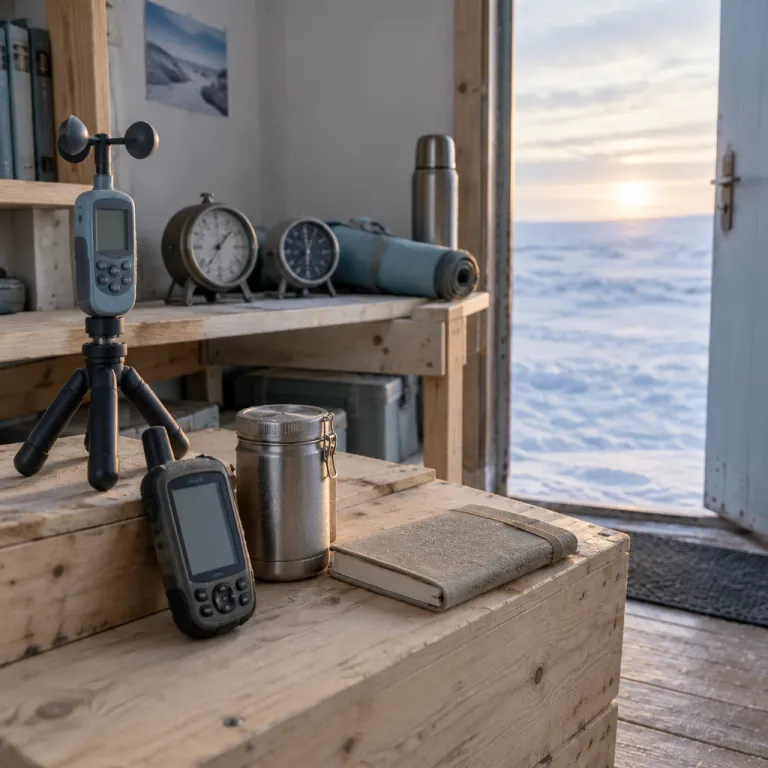
Why the antarctic sun archive for april matters to polar travellers
The antarctic sun archive for april reads like a living logbook of a remote world. Within this collection of station dispatches, routine updates become a form of polar news that helps travellers grasp how fragile logistics really are. Each article turns the abstract idea of antarctic ice into a tangible environment that shapes every journey.
When you explore this april edition of the antarctic sun archive, you see how science, daily life, and weather reports intersect. The mix of operational notes, human interest stories, and field science dispatches offers a clearer view of how time moves differently in antarctica, especially around the south pole. For anyone planning polar travel, this blend of narrative and data is more useful than a simple tourism brochure because it shows how researchers and support crews actually live.
Travel planners often underestimate how much a research station influences visitor experience on the ice. Reading the antarctic sun archive for april alongside neighbouring months such as late summer and early winter issues reveals when flights are delayed, when sea ice conditions shift, and when field camps open or close. These patterns, repeated across the shoulder seasons, help you choose safer windows for visiting the southern ocean coast or interior plateaus.
The archive also places individual journeys within a global context of climate change and international cooperation. Regular references to the Antarctic Treaty, to USAP (the United States Antarctic Program), and to multinational field teams show how every trip is framed by shared rules and responsibilities. By treating the antarctic sun archive for april as both a news source and a reflective chronicle, you gain a deeper respect for the continent and the people who protect it.
Inside the research station: what april issues reveal about polar life
Reading the antarctic sun archive for april is one of the best ways to understand what a polar station really feels like. Station reports from McMurdo, Palmer, and the Amundsen Scott south pole station show how crews adapt as the sun dips lower and the long winter approaches. These stories turn abstract names like “pole station” into lived spaces with corridors, labs, and mess halls.
In many early autumn entries, researchers describe racing against time to finish outdoor work before temperatures plunge. You will often see references to ice shelf traverses, ice sheet drilling, and sea ice surveys that must be wrapped up before the darker winter transition. For travellers, these details explain why some itineraries include research station visits while others focus only on coastal antarctic ice scenery.
The antarctic sun archive for april also highlights how USAP logistics teams keep supplies flowing to each station. Cargo flights, ice runway maintenance, and fuel deliveries appear in the news sections, revealing how fragile the link is between the polar interior and the rest of the south. When you read these operational notes across several adjacent months, you start to see why itineraries must remain flexible and why delays are part of authentic antarctica travel.
One McMurdo Station story from April 2019, for example, quotes a cargo coordinator saying, “Every pallet that lands here has a dozen people’s work attached to it,” a reminder that even a short visitor stop depends on months of planning. If you are considering a voyage that includes guided research station visits, it is worth pairing the antarctic sun archive for april with more narrative resources. A detailed overview of research station visits helps translate technical station life into visitor friendly experiences so you can picture how science, community, and extreme weather shape every hour of polar time.
Women, diversity, and changing station culture in the antarctic sun archive
The antarctic sun archive for april is also a quiet record of social change in antarctica. Earlier issues from the late twentieth century often mention women only in passing, while more recent april entries highlight women leading science teams, piloting aircraft, and managing station operations. This shift matters for travellers who want to understand the human side of polar exploration, not just the ice and wildlife.
Across the archive, profiles of women researchers at the south pole station and coastal bases show how diverse expertise sustains polar science. Glaciologists studying the ice sheet, oceanographers measuring southern ocean currents, and atmospheric scientists tracking climate change all appear in these news features. When you read several years together, you see how women’s roles have expanded from isolated exceptions to central figures in antarctic science.
The antarctic sun archive for april also reflects broader global conversations about equity and safety in remote workplaces. Articles on station culture, training, and codes of conduct show how USAP and partner programs respond to concerns raised by women and other under represented groups. For visitors, this context explains why some ships and stations now emphasise respectful behaviour briefings and why certain areas remain off limits during sensitive operations.
If you are planning a journey that includes time near research communities, reading these april narratives will deepen your appreciation of the people you meet. You can complement the antarctic focus with high latitude perspectives from the north, such as experience based accounts of Arctic hospitality. Together, these stories show how polar stations and remote lodges are evolving into more inclusive spaces while still operating under the demanding constraints of ice, wind, and isolation.
From seasonal cycles to climate change: reading ice in the archive
One of the most valuable aspects of the antarctic sun archive for april is how it captures seasonal transitions in the ice. Field reports describe how sea ice thickens around coastal stations, how the ice shelf edge calves, and how the interior ice sheet responds to shifting temperatures. These observations, repeated across midwinter and midsummer issues, help travellers understand why itineraries vary so much through the year.
In many april issues, researchers explain how they measure antarctic ice thickness, track sea ice extent, and monitor the stability of ice shelves. Their work links local measurements near the south pole and coastal bases to global climate change indicators that affect weather patterns far beyond antarctica. When you read these science focused news pieces, you see how a single storm or warm spell can alter landing plans, zodiac routes, or ski expeditions.
The antarctic sun archive for april also places these observations within the legal and ethical framework of the Antarctic Treaty. Articles often reference how environmental protocols guide waste management, wildlife protection, and fuel handling on the ice, especially during busy summer months. For travellers, this means that every landing, hike, or station visit is shaped by rules designed to protect the southern ocean and the surrounding ice environment.
To deepen your understanding of how historical exploration shaped today’s environmental awareness, you can read narrative histories alongside the archive. A detailed account of early voyages that first mapped the ice edge shows how explorers interpreted the southern ocean. When you combine that long view with the month by month detail of the antarctic sun archive for april, you gain a layered perspective on how the continent’s ice has always been both a barrier and a scientific treasure.
Planning your trip using the antarctic sun archive calendar
For serious polar travellers, the antarctic sun archive for april is more than reading material; it is a planning tool. By comparing april entries with those from late spring and early autumn, you can see when storms are frequent, when flights are most reliable, and when sea ice allows or blocks certain routes. This practical calendar view helps you align your expectations with the realities of antarctic logistics.
Many april issues include detailed notes on station opening and closing dates, cargo movements, and field camp schedules. These operational updates, though written as internal news, reveal when the south pole station is busiest, when coastal stations shift from summer to winter mode, and when researchers retreat from exposed ice shelf sites. If you plan to visit during the shoulder seasons, these patterns explain why some voyages emphasise wildlife and scenery while others highlight science and station life.
The antarctic sun archive for april also helps you understand how long polar time feels in practice. Articles describe how crews mark milestones such as the last sunset at the south pole, the first full darkness, or the return of the sun after winter, all of which shape mood and activity. When you read across the full annual cycle, you see how these emotional rhythms influence everything from community events to the willingness of researchers to host visiting groups.
Using the archive as a guide, you can ask sharper questions when speaking with expedition operators or station liaison staff. Instead of simply asking when antarctica is “best”, you can refer to specific patterns you have seen in the antarctic sun archive for april and related months, such as how sea ice conditions in early spring affect initial voyages. This informed approach leads to itineraries that respect both the science calendar and the lived experience of people on the ice.
How station based science shapes visitor experiences
The antarctic sun archive for april repeatedly shows that visitor experiences depend on ongoing science at each station. When researchers are conducting sensitive wildlife studies, ice core drilling, or atmospheric sampling, access to certain areas may be restricted or carefully timed. These constraints, visible in late summer and early winter issues, explain why some landings are brief while others allow extended walks or lab visits.
Many april articles highlight collaborative projects that link antarctic stations with global networks monitoring climate change, ocean chemistry, and atmospheric circulation. Instruments at the south pole station, coastal observatories on the ice shelf, and ships crossing the southern ocean all feed data into international models. For travellers, this means that a simple view of an ice sheet or a sea ice floe is part of a much larger scientific story that stretches from antarctica to weather forecasts at home.
The antarctic sun archive for april also documents how USAP balances science priorities with community life, including cultural events, sports, and informal education sessions. When women and men from different countries share lectures, film nights, or field safety workshops, visitors sometimes join these activities if schedules align. Reading across multiple seasons shows how these shared moments can become highlights of a journey, even when weather keeps you indoors.
By studying the archive before you travel, you can better appreciate the constraints your guides work under when coordinating with station managers. You will understand why a last minute change in ice conditions or aircraft availability, mentioned in the antarctic sun archive for april, might cancel a long anticipated visit to a pole station. This awareness fosters patience and respect, turning logistical challenges into part of the authentic narrative of polar travel.
Ethics, treaties, and the responsibilities of polar visitors
The antarctic sun archive for april consistently reminds readers that antarctica is governed by the Antarctic Treaty, not by any single nation. Articles explain how treaty principles guide everything from waste management at each station to the number of visitors allowed ashore at sensitive sites. For travellers, understanding this framework is essential to behaving responsibly on the ice and in the southern ocean.
Across april issues and other seasonal editions, you will find references to environmental impact assessments, wildlife approach distances, and fuel handling protocols. These details may seem technical, yet they shape how you move across sea ice, how close you stand to penguin colonies, and whether you can visit certain research facilities. The antarctic sun archive for april often highlights how researchers and logistics teams adapt their work to minimise disturbance, especially near fragile ice shelf edges and rapidly changing ice sheet zones.
The archive also underscores that every visitor is part of a global community watching how climate change transforms antarctic ice. News items on thinning sea ice, shifting storm tracks over the southern ocean, and changing snowfall at the south pole station connect individual trips to long term trends. In one 2017 april report, for example, station staff described an unusually early sea ice breakup that forced ships to adjust resupply routes within days. When you read such accounts alongside human centred stories about women and men living through these changes, the ethical stakes of polar tourism become clear.
By engaging seriously with the antarctic sun archive for april and related months, you prepare yourself to travel as a respectful guest rather than a passive spectator. You will arrive with a working knowledge of station life, treaty obligations, and the scientific value of the ice you walk on. That preparation not only enriches your own journey but also supports the long term protection of antarctica for researchers, wildlife, and future travellers.
Key figures and polar station statistics for informed travellers
- The Antarctic Treaty System currently has more than 50 parties, reflecting broad global commitment to protecting antarctica as a zone for peace and science, which directly shapes how research stations manage visitors.
- Satellite records from the National Snow and Ice Data Center show that average annual sea ice extent around antarctica has varied significantly over recent decades, with record lows observed in 2017 and again in 2023, affecting ship based access described in many antarctic sun archive for april issues.
- The Amundsen Scott south pole station sits at roughly 2 835 metres above sea level on the antarctic ice sheet, meaning visitors often experience altitude related fatigue during even short stays.
- USAP typically supports three year round stations and numerous seasonal field camps, so operational updates in the antarctic sun archive for april often reference dozens of concurrent projects across the continent.
- Scientific studies indicate that parts of the West Antarctic ice sheet and adjacent ice shelves are losing mass, contributing to global sea level rise, a trend frequently contextualised in climate change articles within the archive.
FAQ about using the antarctic sun archive for april for travel planning
How can the antarctic sun archive for april help me choose travel dates ?
The antarctic sun archive for april provides detailed accounts of weather, logistics, and station operations at the end of the austral summer. By comparing april reports with those from other parts of the season, you can see when flights, sea ice conditions, and field activities are most stable. This information helps you align your preferred experiences with realistic seasonal windows.
What does the archive reveal about visiting research stations ?
Articles in the antarctic sun archive for april describe how station staff balance science priorities with occasional visitor groups. You will read about safety briefings, restricted zones near sensitive experiments, and the timing of tours around work schedules. These details explain why some itineraries include extensive station time while others focus more on coastal landings.
Does the archive address safety and emergency issues for travellers ?
While the antarctic sun archive for april is written primarily for the USAP community, it often reports on storms, medical evacuations, and aircraft or ship delays. These stories illustrate how quickly conditions can change on antarctic ice and in the southern ocean. Travellers can use this context to understand why flexible itineraries and robust insurance are essential.
What can I learn about climate change from the april issues ?
Many entries in the antarctic sun archive for april highlight research on sea ice trends, ice shelf stability, and atmospheric changes over antarctica. Scientists explain how local measurements at stations and field camps feed into global climate models. Reading these pieces helps you see your journey as part of a wider story about environmental change.
Why should I read multiple months, not only april ?
Although the antarctic sun archive for april offers a rich snapshot, combining it with other months reveals full seasonal cycles. You will notice how station routines, wildlife behaviour, and ice conditions evolve across the year. This broader view leads to more informed choices about when and how to travel responsibly in antarctica.