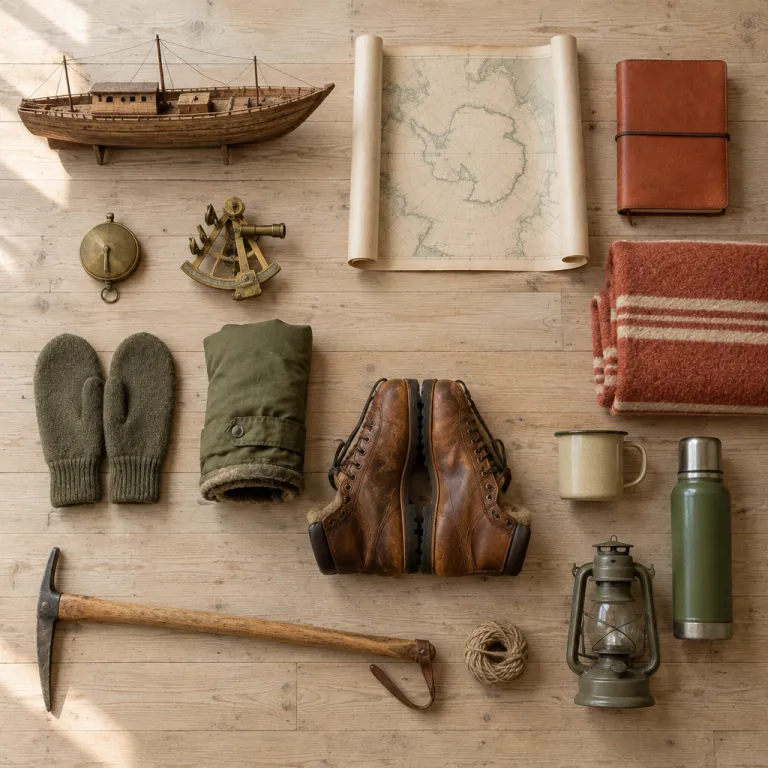
The Endurance effect on a modern polar expedition ship
You step onto the expedition ship in Ushuaia Argentina and the story starts immediately. Before the first safety drill, someone on the expedition team is already referencing Shackleton Endurance polar exploration history modern expedition cruise narratives, sketching the route from the Weddell Sea to Elephant Island on a chart. The names feel abstract at first, but by the time you reach Antarctica the landscape has become a living archive of ernest Shackleton and his men.
On a clear nov departure, the captain often stands on the bridge deck and points south toward the Antarctic Peninsula, explaining how sea ice once trapped the original Endurance. That same captain now has satellite charts, real time ice reports, and a medical clinic one deck below, yet the language of risk, leadership, and survival still echoes sir Ernest and his decisions. Modern guests pay in usd per person rather than in hardship, but the emotional price of imagining that earlier expedition is what many remember most.
Every polar expedition briefing folds the Endurance story into practical guidance about weather conditions and safety. When the expedition team cancels zodiac cruises because weather permitting has turned into weather forbidding, they often reference Shackleton’s patience in the Weddell Sea as context. The result is that each person on board starts to read the ice, the wind, and the grey water through the lens of Shackleton Endurance polar exploration history modern expedition cruise storytelling.
Names on the chart: how geography carries polar exploration history
Once you leave Ushuaia and cross the Drake Passage, the chart becomes a roll call of ambition. Guides trace fingers across bays and channels named for Amundsen, Scott, Nordenskjöld, and Larsen, using each name as a doorway into Shackleton Endurance polar exploration history modern expedition cruise context. The geography of Antarctica and the sub Antarctic islands is effectively a curated syllabus in polar expedition memory.
On the way toward South Georgia or the Antarctic Peninsula, a skilled expedition team will pair these names with specific stories. A quiet moment on the outer observation decks becomes a seminar in navigation history, while the bar fills with guests asking how an expedition ship today compares with the Endurance or the vessels of the lost Franklin expedition. For travelers intrigued by shipwreck narratives, this historical framing connects naturally with modern Arctic shipwreck exploration and the wider legacy of polar expeditions, as explored in this detailed guide to Arctic shipwreck exploration and polar expedition heritage.
Guides also use place names to anchor expectations about wildlife and weather conditions. When you approach the Weddell Sea, they reference the same sea ice that crushed Endurance, then contrast it with the reinforced hull of your current expedition ship. In this way, every person on board experiences the map not as a neutral document but as a layered narrative that keeps Shackleton Endurance polar exploration history modern expedition cruise stories constantly in view.
From Shackleton’s grave to your cabin: living history on South Georgia and beyond
Landing on South Georgia is where the history steps out of the lecture theatre and into the wind. At Grytviken, guests walk from the landing beach past rusted whaling machinery toward the small cemetery where Shackleton’s grave stands, and the guide’s voice softens as they connect sir Ernest to the wider Shackleton Endurance polar exploration history modern expedition cruise arc. A toast with a modest measure of whisky at the graveside is not performance; it is ritual.
Elsewhere, the same pattern repeats in different registers. At Port Lockroy on the Antarctic Peninsula, the restored British base feels almost domestic, with its tiny radio room, bunk room, and mess, and the contrast with your heated twin cabin or suite on the ship is immediate and sharp. Whalers Bay on Deception Island, with its collapsed fuel tanks and weathered buildings, becomes a stark reminder that every comfortable room and every polished bar on a modern expedition ship is built on a century of harder, often brutal, activity in the south.
Back on board, guests return to cabins where the price is listed in usd per person, yet the conversation rarely stays on cost. People compare the space of a twin room with the cramped bunks of early expeditions, and they enjoy the privacy of a modern suite while thinking about the communal hardship on Endurance. This constant oscillation between past and present is what gives a Shackleton Endurance polar exploration history modern expedition cruise its particular emotional texture.
Arctic counterparts: Nansen, Amundsen, Franklin and the northern narrative
In the Arctic, the storytelling palette shifts north but the technique remains similar. Sailing from Longyearbyen or through the Canadian Arctic, guides weave Nansen’s Fram drift, Amundsen’s Northwest Passage, and the fate of Franklin into the same Shackleton Endurance polar exploration history modern expedition cruise framework. Passengers quickly realise that the heroic age was not confined to the south.
On Svalbard voyages, the expedition team often stands with guests on the observation decks, scanning for wildlife while narrating how Nansen tested skis, sledges, and clothing in similar weather conditions. In the Canadian Arctic, a zodiac cruise along a gravel shore might be accompanied by a detailed account of how modern technology finally located Franklin’s ships, linking back to the broader culture of Arctic shipwreck exploration and the ethics of visiting such sites. The Arctic’s exploration history is less familiar to many travelers, so guides must work harder to connect each person emotionally to these northern stories.
Yet the structural parallels with the south are striking. Where the Weddell Sea and Elephant Island shape the Endurance narrative, the pack ice of the Northwest Passage and the channels of the Canadian archipelago frame Franklin and Amundsen. Modern polar expedition itineraries in both hemispheres now treat history as a core part of the experience, not an optional lecture, and that shared approach reinforces the sense that your cabin, your ship, and your voyage sit inside a much longer continuum.
The guide as storyteller: from briefing room to bar
The best polar guides understand that their job extends far beyond pointing out penguins or polar bears. They treat Shackleton Endurance polar exploration history modern expedition cruise narratives as a living toolkit, using them to interpret everything from a cancelled landing to a perfect sunset. On a well run expedition, the line between historian, naturalist, and host blurs in the most productive way.
Consider a typical day on an Antarctic Peninsula voyage in nov, with a nov usd rate sheet quietly filed in your cabin. Morning zodiac cruises might be delayed because weather permitting has become marginal, and the expedition leader explains the decision by referencing how ernest Shackleton waited for windows of opportunity rather than forcing progress. Later, over a drink in the bar, the same guide might compare the ship’s modern medical clinic and travel insurance requirements with the near total absence of safety nets on earlier expeditions, turning administrative details into part of the story.
Cabin categories become narrative devices as well as comfort choices. A guest in a compact twin room may hear how Endurance’s men slept in crowded quarters on the ice, while someone in a larger suite might be gently reminded that even Shackleton’s cabin on Endurance was smaller than many modern bathrooms. From Buenos Aires pre nights to embarkation in Ushuaia Argentina, from the first briefing on deck to the last toast in the south, every person is invited to enjoy not only the wildlife and scenery but also the layered experience of traveling through a landscape where sir Ernest still feels unexpectedly close.
How Endurance echoes through every modern expedition detail
Look closely at the structure of a contemporary polar expedition and you can see Endurance in the fine print. The requirement for comprehensive travel insurance, the emphasis on flexibility, and the constant reminder that all landings are weather permitting all trace back to hard lessons learned in the Weddell Sea. Shackleton Endurance polar exploration history modern expedition cruise operators know that the story itself has become part of the product.
On board, the expedition ship is designed as both a platform for exploration and a stage for storytelling. Observation decks are positioned to frame key moments, from first views of sea ice to approaches toward South Georgia or the Antarctic Peninsula, while interior spaces like the bar and lecture room host evening recaps that often circle back to sir Ernest and his crew. Even the presence of a well equipped medical clinic is sometimes contrasted with the improvised care on Elephant Island, underlining how far polar expedition logistics have evolved.
For many travelers, the most powerful moments happen in the quiet transitions. A person steps from a warm room onto a cold deck at night, feels the ship roll underfoot, and suddenly senses a faint echo of what it meant to be on Endurance in the south. That is the subtle alchemy of Shackleton Endurance polar exploration history modern expedition cruise design today, where every comfort, every risk assessment, and every story told by the expedition team is calibrated to let you enjoy the journey while still feeling the weight of the history beneath your boots.
FAQ
Why is Shackleton’s Endurance story so prominent on Antarctic cruises?
Shackleton’s Endurance expedition is central to Antarctic cruising because it combines extreme hardship, exceptional leadership, and an almost improbable survival outcome. Guides use it constantly to explain why flexibility, respect for weather conditions, and conservative decision making remain essential on any polar expedition. The narrative also gives emotional depth to places like the Weddell Sea, South Georgia, and Elephant Island that appear on many modern itineraries.
How does polar history change what I experience on board?
Historical storytelling shapes how you interpret almost every moment on an expedition ship. A cancelled landing becomes more understandable when framed against earlier expeditions that pushed too hard and paid a high price, while a calm evening on deck feels richer when you know which explorers once sailed the same waters. This context helps many travelers feel less like cruise passengers and more like participants in a continuing exploration tradition.
Are Arctic expeditions as focused on history as Antarctic voyages?
Arctic itineraries increasingly give history the same weight as wildlife and scenery. Guides in Svalbard or the Canadian Arctic often structure their talks around Nansen, Amundsen, and Franklin, then connect those stories to modern navigation, search technology, and conservation debates. The result is that Arctic voyages now mirror Antarctic ones in treating exploration history as a core part of the guest experience.
What should I look for in an expedition team if I care about history?
If polar history matters to you, look for operators that highlight historians or heritage specialists alongside naturalists in their expedition team profiles. On board, pay attention to how guides link daily operations, safety briefings, and wildlife encounters to specific historical episodes rather than offering isolated lectures. The most compelling teams make the past feel continuously relevant without overshadowing the present journey.
Does a higher cabin category change the historical experience?
A larger cabin or suite improves comfort but does not automatically deepen the historical dimension of your voyage. What matters more is how you use shared spaces like observation decks, zodiacs, and the bar, where most storytelling and discussion happen. Many travelers in standard twin cabins report equally powerful historical engagement when they actively join briefings, shore landings, and informal conversations with guides.
Sources
British Antarctic Survey; Scott Polar Research Institute; Norwegian Polar Institute.