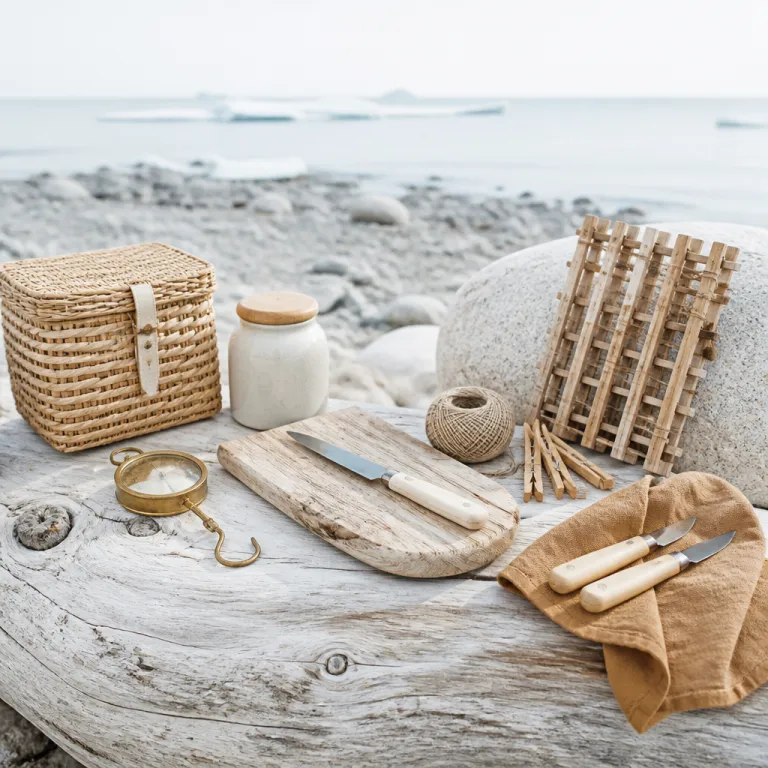
Arctic food ashore in context: why the real cuisine starts off the gangway
Most travelers meet Arctic food ashore Greenland Iceland Svalbard local cuisine only in passing, between zodiac rides and lectures on sea ice. Yet the most revealing meals happen when you step beyond the ship and sit at a kitchen table where the weather, the wildlife, and the long polar night still dictate what is served. Arctic food ashore Greenland Iceland Svalbard local cuisine is not a themed tasting menu ; it is a living response to isolation, short growing seasons, and the need to respect every part of an animal taken from the ice or the sea.
On a typical expedition, guests will spend several days focused on glaciers, fjords, and polar bear tracking, but the same expedition staff who brief you on weather ice patterns can also explain why dried fish hangs outside a house in east Greenland or why fermented shark is still offered in rural Iceland. Arctic food ashore Greenland Iceland Svalbard local cuisine becomes a second storyline on your trip, running parallel to the dramatic landscapes and the wildlife encounters that first drew you north. When you plan your travel, treat meals ashore as seriously as you treat your balcony suite choice or your travel insurance policy, because a single bowl of local soup can tell you more about the region than a full day explore of a national park.
Think of each port day as a chance to explore an entire array of food traditions, from Greenlandic mattak to Svalbard reindeer stew, rather than just a quick lunch between landings. Arctic food ashore Greenland Iceland Svalbard local cuisine rewards curiosity ; the more questions you ask local hunters and traditional chefs, the richer your experience will become. Build time into your days to move beyond the ship’s dining room and into small cafés, community halls, and homes where meals breakfast, lunch dinner, and late night coffee are still shaped by the ice outside the window.
Greenland on a plate: from suaasat to mattak in coastal communities
In Greenland, food is inseparable from survival, and any serious expedition that claims cultural depth will carve out time ashore for meals with local communities. In towns like Ilulissat on the west coast and Ittoqqortoormiit near Scoresby Sund in northeast Greenland, hunters and fishers still supply seal, whale, musk ox, Arctic char, and seabirds to family kitchens and small eateries. One cultural guide summed it up simply during a kaffemik style gathering ; “What is the national dish of Greenland? Suaasat, a traditional soup made from seal, whale, reindeer, or seabirds.”
When your expedition team arranges a home hosted lunch, you might sit in a modest living space that doubles as a sitting area for drying gear, while a pot of suaasat simmers on the stove and children drift in and out between school and the quay. Arctic food ashore Greenland Iceland Svalbard local cuisine in Greenland often includes mattak, the raw whale skin and blubber that locals eat for its texture and vitamin content, and visitors frequently ask whether it is safe ; “Is it safe to eat raw whale blubber? Yes, when prepared traditionally; it's a cultural delicacy known as mattak.” The point is not to treat these meals as extreme eating, but to understand how every part of a hunted animal is used, from broth to jerky, in a climate where imported vegetables remain expensive and seasonal.
On the east Greenland side, especially around Scoresby Sund and smaller settlements, expect an even more pronounced reliance on game and fish, with dried halibut, seal, and occasionally polar bear meat appearing in private homes, though responsible operators will not serve threatened species to guests. Arctic food ashore Greenland Iceland Svalbard local cuisine here is shaped by the ice edge ; when weather ice closes in, ships may delay, and your planned day explore ashore might shift into an impromptu community hall lunch with coffee, cake, and stories from local hunters. Ask your expedition staff which eateries are locally owned, because your choice of where to have breakfast lunch or a simple afternoon snack directly supports the people whose culture you have come to explore.
For a deeper understanding of how Indigenous traditions frame these meals, read the detailed guide on Arctic Indigenous cultures and resilience before your trip. It will help you approach every shared plate of suaasat or dried fish with the respect it deserves. Arctic food ashore Greenland Iceland Svalbard local cuisine is, above all, a story of continuity in the face of rapid change.
Iceland between farm and fjord: Reykjavik stopovers and coastal kitchens
Iceland offers the most accessible entry point into Arctic food ashore Greenland Iceland Svalbard local cuisine, especially if your ship starts or ends in Reykjavik Iceland. In the capital, a new generation of chefs has taken the bones of traditional Icelandic cooking — lamb, langoustine, skyr, rye bread, and fermented fish — and rebuilt them into a confident, modern cuisine that still respects the constraints of the sub Arctic climate. Before or after your expedition, plan at least two days in the city to explore this culinary revival rather than treating it as a mere transit stop.
In central Reykjavik Iceland, you can move from a geothermal bakery where loaves are slow cooked in hot ground to a harborside restaurant serving grilled line caught fish with foraged seaweed, all within a single day. Many solo travelers book a small guesthouse with a private balcony or a compact balcony suite, using the sitting area as a quiet place to sample local cheeses, dried fish, and Icelandic chocolate picked up from markets. Arctic food ashore Greenland Iceland Svalbard local cuisine in Iceland often means three structured meals breakfast, lunch dinner, but do not underestimate the importance of coffee breaks ; they are where you taste kleinur pastries, dense rye bread with butter, and sometimes even shark cubes offered with a wry smile.
Outside the capital, especially along the west coast and across the Denmark Strait from Greenland, farm visits and small scale food tours are increasingly woven into expedition itineraries. Some operators schedule a day explore that combines a national park hike with a farm lunch, where lamb raised on coastal grasslands is served alongside root vegetables and rhubarb desserts. To understand how Inuit and other Arctic chefs are reshaping expectations of northern food, the feature on Inuit chefs redefining Arctic cuisine is essential reading before you travel.
When you plan your trip, remember that Arctic food ashore Greenland Iceland Svalbard local cuisine in Iceland is also about what you can bring home. Dried fish, sea salt blends, and high quality chocolate travel well, while fresh lamb and soft cheese usually do not pass import rules for many countries. Always check your own national regulations before filling your bag, and keep in mind that travel insurance will not help if customs officers confiscate prohibited foods at the end of your polar adventure.
Svalbard at 78° north: Longyearbyen’s improbable restaurant scene
Svalbard sits far deeper into the Arctic than Greenland’s west coast or Iceland’s south shore, yet Longyearbyen has built one of the most surprising dining scenes in the polar world. This former mining town now offers an array of restaurants and bars where reindeer, Arctic char, and imported wines share menus with global comfort food, all under the constant presence of the surrounding ice capped peaks. Arctic food ashore Greenland Iceland Svalbard local cuisine here is less about subsistence and more about how a remote community feeds itself with style at the end of a very long supply chain.
On a typical expedition, your ship will dock or anchor off Longyearbyen for at least a day, and smart guests use that time to book one serious dinner and one casual lunch in town. The best places fill quickly during peak travel days, so reserve as soon as your expedition team confirms the schedule, especially if you want a window table that functions like a private balcony over the valley. Between meals, cafés offer a relaxed sitting area where you can warm up with Svalbard roasted coffee and pastries while watching guides, scientists, and fellow travelers drift in and out with their layers half unzipped.
Menus in Longyearbyen often feature reindeer, cod, and occasionally seal, but you will also find vegetarian dishes that go beyond token salads, a reflection of how Arctic food ashore Greenland Iceland Svalbard local cuisine has adapted to modern tastes. Alcohol is tightly regulated, yet the wine lists in a few standout restaurants rival those in mainland capitals, a reminder that this is a community of people who choose to live with polar night and polar bear patrols, and who take their off duty pleasures seriously. If you are staying in town pre or post expedition, choose accommodation with enough living space to enjoy a quiet breakfast lunch of local bread, cheese, and cured meats before heading out on snowmobile or hiking excursions.
For a more intimate cultural moment, consider arranging a Greenland style coffee gathering when you pass through Nuuk on another trip, using the detailed guide to the Greenlandic kaffemik ritual as a template. Experiences like these deepen your understanding of Arctic food ashore Greenland Iceland Svalbard local cuisine across the region, connecting the restaurant plates of Longyearbyen with the living rooms of Greenlandic families further west.
From ship galley to shore table: how operators curate local food encounters
Most travelers first meet Arctic food on board, where chefs work around weather ice delays and shifting schedules to keep meals punctual and comforting. Yet the most progressive expedition companies now treat Arctic food ashore Greenland Iceland Svalbard local cuisine as a core part of the itinerary, not an optional extra squeezed between zodiac cruises. When you compare voyages, look beyond cabin categories like balcony suite or standard porthole and ask how often the expedition staff arrange genuine meals ashore with local hosts.
Some Greenland focused routes along the west coast and into Scoresby Sund include community hall lunches, where guests share long tables with residents over plates of suaasat, dried fish, and cakes baked with imported flour but local berries. In east Greenland and northeast Greenland, where settlements are smaller and the logistics more complex, your expedition team might organize a shorter coffee and cake stop instead of a full lunch, but the cultural value is no less significant. Arctic food ashore Greenland Iceland Svalbard local cuisine in these settings is about conversation as much as calories, and you should treat each shared table as a chance to ask about hunting quotas, changing ice conditions, and how younger generations view traditional meals.
In Iceland, some operators now weave farm visits and geothermal bakery stops into their day explore programs, pairing a morning hike in a national park with a farmhouse lunch that showcases lamb, root vegetables, and dairy. Others schedule a structured food tour in Reykjavik Iceland before embarkation, giving solo travelers a relaxed way to meet fellow guests over tastings of fermented shark, rye bread, and local beer. When you evaluate different expedition options, prioritize those that clearly state how many days include curated culinary encounters ashore, because Arctic food ashore Greenland Iceland Svalbard local cuisine cannot be fully understood from the ship buffet alone.
Remember that every extra landing or community visit has a cost in time and logistics, and that your travel insurance covers delays but not missed restaurant reservations if weather ice forces a change of plan. Build flexibility into your expectations, and trust the expedition équipe to balance wildlife viewing, ice navigation, and cultural experiences without turning your trip into a rushed checklist. The most memorable meals often happen when a planned landing shifts into an unhurried afternoon in a village hall, with coffee refills and homemade soup stretching long past the scheduled return to the ship.
Practical guidance: what to taste, what to bring home, what to respect
Approaching Arctic food ashore Greenland Iceland Svalbard local cuisine with respect starts long before your first spoonful of suaasat or your first bite of fermented shark. Read up on local customs, understand which species are sensitive or protected, and be honest with yourself about what you are willing to taste so you do not waste precious food. Dress warmly for every shore meal, because you may move between indoor and outdoor spaces several times during a single day, especially in smaller Greenlandic settlements where the community hall, the harbor, and the drying racks are all part of the same story.
In Greenland, prioritize tasting suaasat, mattak, dried fish, and crowberry desserts, but do not pressure hosts to serve polar bear or other controversial meats, even if you have heard stories from other travelers. In Iceland, focus on lamb, langoustine, skyr, geothermal baked rye bread, and high quality dairy, while treating fermented shark as an optional cultural experience rather than a dare. On Svalbard, reindeer, Arctic char, and locally roasted coffee are the most representative tastes, and Arctic food ashore Greenland Iceland Svalbard local cuisine there leans more toward refined restaurant plates than home kitchens, reflecting the town’s transient, international population.
When it comes to souvenirs, dried fish, sea salt, chocolate, coffee, and shelf stable condiments are usually safe bets, but always check your home country’s import rules before you travel. Many nations restrict the entry of meat, dairy, and fresh produce, and no level of travel insurance will reimburse you for confiscated delicacies at the border. Pack fragile items in the middle of your luggage, cushioned by clothing, and avoid storing anything strongly scented near your cabin’s living space or sitting area, especially if you share with other guests who may not appreciate a suitcase that smells like fermented shark.
Finally, remember that Arctic food ashore Greenland Iceland Svalbard local cuisine is built on relationships between local hunters and fishers, traditional chefs, and cultural guides who act as bridges between their communities and visiting travelers. Your role is to listen, taste thoughtfully, and support businesses that prioritize sustainable sourcing and cultural integrity over quick tourist wins. If you approach each meal ashore as an expedition in its own right, your memories of the Arctic will be flavored as much by shared tables as by glaciers and wildlife sightings.
Key figures shaping Arctic culinary travel
- Local culinary archives in Greenland list around 50 recognized traditional dishes, a reminder that Arctic food ashore Greenland Iceland Svalbard local cuisine extends far beyond the few specialties usually mentioned in expedition brochures.
- Tourism boards report that approximately 10 000 visitors engage in organized culinary tours across Greenland, Iceland, and Svalbard each year, a small but growing segment compared with overall polar travel numbers.
- Culinary exploration events now run year round in many Arctic communities, with menus shifting according to the seasonal availability of ingredients rather than fixed tourist seasons.
- Home hosted meals and community hall lunches typically accommodate small groups of 8 to 20 guests at a time, which keeps interactions personal and ensures that local hosts can manage preparation alongside other work.
FAQ about Arctic food ashore in Greenland, Iceland, and Svalbard
What is the national dish of Greenland, and where can I try it?
The national dish of Greenland is suaasat, a hearty soup made from seal, whale, reindeer, or seabirds, usually thickened with rice or barley. You can often try suaasat in community halls during organized cultural events, at small local eateries in towns like Ilulissat or Nuuk, or during home hosted meals arranged by your expedition team. Always remember that availability depends on hunting seasons, local preferences, and what has been recently caught.
Are there vegetarian options within Arctic food traditions?
Vegetarian options in traditional Arctic cuisine are limited because historical diets relied heavily on animal based foods for survival in harsh climates. Modern adaptations now appear in Reykjavik Iceland, Longyearbyen, and some larger Greenlandic towns, where restaurants offer vegetable forward dishes using imported produce and local berries. If you follow a strict vegetarian or vegan diet, inform your expedition staff in advance so they can coordinate meals ashore and on board.
Is it safe to eat raw whale blubber such as mattak?
Mattak, the traditional Greenlandic preparation of raw whale skin and blubber, is considered safe to eat when prepared and stored correctly by experienced local communities. Health authorities in many countries advise pregnant travelers and those with specific medical conditions to be cautious with any raw or high fat marine products, so consult your doctor before the trip if you have concerns. When offered mattak during a meal, you can always decline politely if it does not align with your dietary comfort level.
How should I prepare for shore based meals during an Arctic expedition?
For meals ashore, dress in layers with a windproof outer shell, warm hat, and gloves, because you may move between indoor spaces and exposed harbors several times during a single day. Bring a small dry bag for your camera and any food purchases, and carry a reusable water bottle since many communities discourage single use plastics. Let your expedition équipe know about allergies or dietary restrictions early, so they can coordinate with local hosts in Greenland, Iceland, and Svalbard.
What food souvenirs are easiest to bring home from the Arctic?
The most practical souvenirs from Arctic food ashore Greenland Iceland Svalbard local cuisine are shelf stable items such as dried fish, sea salt blends, chocolate, coffee, and packaged teas. These usually travel well and are less likely to be restricted by customs than fresh meat, dairy, or homemade products. Always check your home country’s import regulations before buying, and keep receipts handy in case customs officers ask about the origin of your purchases.