What tundra to table means when you are at sea
The phrase Inuit Arctic cuisine tundra to table culinary experience can sound abstract until you are standing on deck, watching sea ice drift past. On certain Arctic expeditions, that idea becomes literal as Inuit chefs set up a temporary tundra table on board and turn regional ingredients into a focused culinary experience that feels rooted in the coastline outside your cabin. For a solo traveler, this is often the first moment when the dining room stops feeling like generic ship catering and starts feeling like an invitation into Inuit culture.
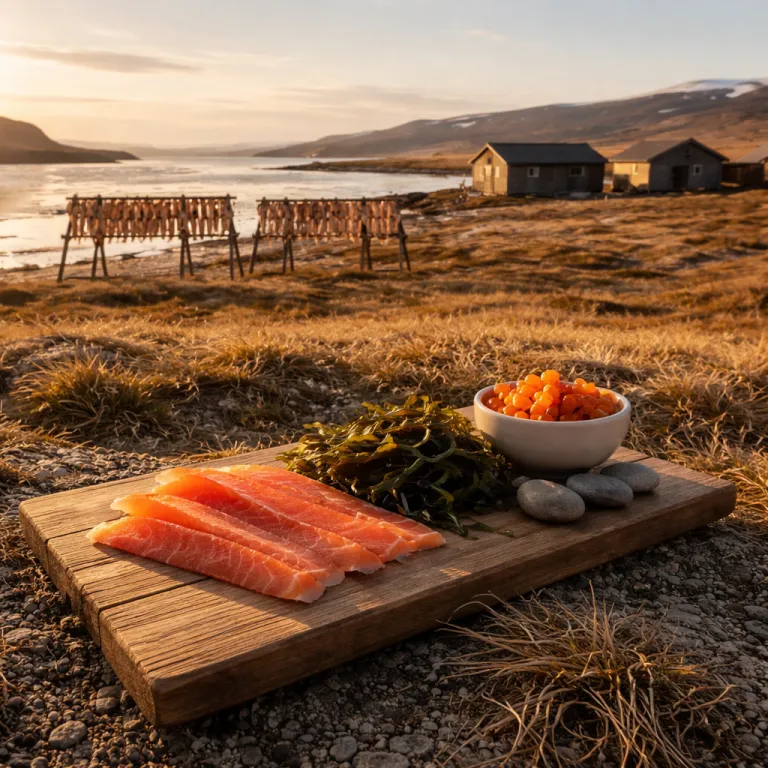
On voyages operated by Quark Expeditions, the Tundra to Table program is the clearest expression of this shift, and it shows how carefully curated Inuit food can reshape expectations of polar travel. Here, Inuit chefs design menus that move from raw, delicately sliced Arctic char to slow cooked meat and fish, often muskox or caribou, plated with berries gathered from the tundra and served at a communal table where guests share stories with the people who sourced the ingredients. As Quark explains in its program overview, “What is ‘Tundra to Table’? A culinary program showcasing Inuit cuisine.”
This is not a themed dinner bolted onto standard cruise food, but a structured Inuit culinary journey that runs parallel to the shore landings and Zodiac cruises. While the ship threads through the Northwest Passage or along Greenland and Nunavut coasts, the culinary team works with local communities to bring aboard ingredients that respect food security concerns and traditional Inuit harvesting rhythms. The result is an Inuit Arctic cuisine tundra to table culinary experience that mirrors the route map, so each evening’s plate reflects the fjord, the village, or the stretch of tundra you sailed past that afternoon.
Ingredients that carry stories, not just flavor
To understand why this Inuit Arctic cuisine tundra to table culinary experience matters, you need to look closely at the ingredients, because every element on the plate has a story that predates tourism. Arctic char is often the anchor, its firm, coral colored flesh reflecting a cold water life beneath river ice and fjord leads, and when Inuit chefs prepare it lightly cured or hot smoked, they are not chasing trends but echoing preservation techniques that once meant winter survival. For many guests, that first bite of char at a tundra table is the moment when Inuit food stops being an abstract phrase and becomes a direct connection to landscape.
Alongside the fish, you will often find meat and fish combinations that challenge southern expectations, such as thin slices of seal, muskox, or caribou paired with crowberries or cloudberries, and this is where Inuit fusion quietly enters the narrative. Rather than masking traditional Inuit flavors, the best Inuit culinary teams use modern techniques to frame them, so bannock might arrive as a small, warm bread roll beside a refined soup, while akutuq, the whipped fat and berry dessert, appears in tasting menu portions that respect both Inuit cuisine and contemporary plating. If you are curious about how these ingredients translate into shipboard menus beyond Inuit led programs, look at how some expedition operators now highlight Arctic char and reindeer stews in their main dining rooms, a trend explored in depth in this guide to Arctic shipboard dining rooms worth boarding a vessel for.
Across Greenland, Nunavut, and the broader Greenlandic coastline, these ingredients also carry questions of food security, because people food in remote communities still depends on ethical harvesting of meat and fish rather than imported produce. When you sit down to a curated dining experience on board, the chefs will often explain how local hunting quotas, seasonal ice conditions, and community decisions shape what appears on your table, and that context is as important as the flavor. A thoughtful Inuit Arctic cuisine tundra to table culinary experience makes those supply chains visible, so guests leave with a clearer sense of how Inuit culture, climate, and cuisine intersect.
The Inuit chefs leading the new Arctic kitchen
The most compelling part of any Inuit Arctic cuisine tundra to table culinary experience is not the menu design but the people behind it, because Inuit chefs are using these platforms to rewrite the Arctic culinary map on their own terms. Many trained first in community kitchens or small Greenlandic restaurants before working with expedition ships, and they now move confidently between traditional Inuit recipes and global techniques picked up in Copenhagen, Montréal, or Reykjavik. On board, that translates into evenings where chefs step out of the galley to talk directly with guests about Inuit culture, hunting stories, and the memories attached to specific dishes.
Quark Expeditions has been one of the highest profile partners in this movement, working with Inuit chefs to build a structured Tundra to Table program that foregrounds Inuit food rather than treating it as a novelty. In their own words, “Who organizes ‘Tundra to Table’? Quark Expeditions in partnership with Inuit chefs.” That partnership matters, because it ensures that chefs control the narrative, from which ingredients are appropriate to serve to how traditional Inuit practices are explained to an audience that may never have seen a seal hunt or a muskox herd on the tundra.
For solo travelers, this human connection is where the dining experience becomes a social catalyst, because shared tables and open kitchens make it easy to ask questions and move beyond polite small talk. One Inuit chef described a recent evening when a guest tasted seal for the first time and then stayed at the counter for an hour, asking about childhood memories of hunting trips and how climate change is altering migration routes; exchanges like that are now common on well run tundra table nights. If you are planning Arctic travel with a focus on culture and gastronomy, look for itineraries where expeditions tundra programming is clearly described, where Inuit culinary events are led by named individuals rather than anonymous “local guides,” and where the operator has a track record of working with communities across Greenland and Nunavut regions. You can also broaden your understanding of how food, history, and storytelling intersect in polar regions by reading this wider overview of Arctic and Antarctic culinary heritage, which situates Inuit cuisine within a larger polar context.
Ethical harvesting, local economies, and what ends up on your plate
Any serious Inuit Arctic cuisine tundra to table culinary experience must address where the ingredients come from, because ethical harvesting is not a marketing add on in the Arctic; it is the foundation of community life. Traditional Inuit hunting practices evolved to maintain food security in a landscape where imported vegetables were historically absent, and that means meat and fish from seal, whale, caribou, and Arctic char are still central to people food in many settlements. When expedition operators engage with this reality respectfully, they support local economies and help guests understand why Inuit food cannot be judged by southern supermarket standards.
On well designed Arctic expeditions, culinary teams work with local hunters and small suppliers in Greenland and Nunavut to source ingredients in ways that align with community priorities, rather than simply buying whatever is available through large distributors. That might mean serving smaller quantities of certain meats on board, or focusing a tundra table menu on species that are abundant in a particular region, and Inuit chefs will usually explain these choices during the dining experience. For travelers, this transparency is a useful litmus test; if an operator talks about Inuit cuisine but never mentions quotas, migration patterns, or the realities of sea ice, their engagement with Inuit culture is probably shallow.
There is also a clear difference between expeditions tundra programs that integrate Inuit culinary perspectives from the planning stage and those that bolt on a single “cultural night” for optics. The former tend to invest in long term relationships with communities, invite feedback from Inuit chefs on menu design, and adjust itineraries when hunting seasons or ice conditions shift, while the latter rarely move beyond surface level storytelling. If you value authenticity, ask specific questions before you book about how the Inuit Arctic cuisine tundra to table culinary experience is structured, who benefits financially, and how often chefs will be on board to host events rather than appearing only once for a photo opportunity.
How to choose an expedition for serious Arctic cuisine
For a solo explorer planning an Inuit Arctic cuisine tundra to table culinary experience, the choice of operator will shape everything from your first taste of Arctic char to the depth of your conversations with Inuit chefs. Start by looking at which companies name their partners openly, because when Quark Expeditions highlights its collaboration with Inuit chefs and local communities, it signals a level of accountability that generic “cultural programs” rarely match. You should also examine how often tundra table events appear in the itinerary, whether they are optional add ons, and how many guests will be accommodated at each seating.
Some ships now position food as a core part of their Arctic expeditions, with culinary teams that treat the dining experience as seriously as the lecture program, while others still rely on international hotel style buffets that barely nod to Inuit cuisine. If you care about Inuit fusion and regional ingredients, read sample menus carefully and ask whether chefs will adjust dishes based on what is available in Greenlandic ports or along Greenland and Nunavut coasts, rather than flying in everything frozen from the south. You can also cross reference your short list with operators that emphasize locally guided cultural experiences, such as those highlighted in this feature on locally guided wilderness stays, because a respect for Indigenous leadership on land usually extends to food.
Once on board, lean into the communal nature of the tundra table format, because shared seating is where solo travelers often find their Arctic people, the ones who care as much about culture as they do about ice and wildlife. Sit close to where Inuit chefs are plating, ask about specific ingredients, and pay attention to how the team talks about food security, hunting, and climate, since those conversations will deepen your understanding of Inuit culture far beyond what any brochure can offer. Treated this way, an Inuit Arctic cuisine tundra to table culinary experience becomes more than a memorable meal; it becomes a framework for thinking about Arctic travel that centers local voices, respects traditional Inuit knowledge, and reminds guests that every plate on the ship is connected to a real community on shore.
FAQ
What is meant by an Inuit Arctic cuisine tundra to table culinary experience?
The phrase Inuit Arctic cuisine tundra to table culinary experience describes a structured dining program in which Inuit chefs prepare traditional and modern dishes using ingredients sourced from Arctic regions close to the ship’s route. On programs such as Tundra to Table with Quark Expeditions, guests taste Arctic char, muskox, seal, and regional berries while hearing directly from the people who harvest and cook them. This format turns a standard dining experience into a cultural encounter that highlights Inuit cuisine, Inuit culture, and the realities of life on the tundra.
Who organizes Tundra to Table and where can I join it?
The Tundra to Table program is organized by Quark Expeditions in partnership with Inuit chefs and local communities in areas such as Greenland and Nunavut. According to the program’s own description, “Who organizes ‘Tundra to Table’? Quark Expeditions in partnership with Inuit chefs.” Travelers can join this culinary experience on select Arctic expeditions that specifically mention Tundra to Table or similar Inuit culinary events in their itineraries.
How does Tundra to Table support local communities and food security?
Well designed tundra table programs work with local hunters, small suppliers, and community organizations to source meat and fish in ways that align with traditional Inuit practices and modern regulations. This approach supports food security by respecting quotas and migration patterns, while also creating economic opportunities linked to Inuit food and cultural storytelling. Guests who participate in an Inuit Arctic cuisine tundra to table culinary experience help sustain these partnerships when operators pay fair prices and maintain long term relationships.
Is Inuit cuisine suitable for travelers with dietary restrictions?
Inuit cuisine is historically based on animal proteins and marine fat, so travelers with strict vegetarian or vegan diets will find fewer traditional options in a pure tundra table format. However, many Inuit chefs and shipboard culinary teams can adapt elements of the dining experience, for example by emphasizing berries, bannock, and certain modern Inuit fusion dishes that use plant based ingredients. If you have specific needs, inform the operator well before your Arctic travel so chefs have time to plan appropriate alternatives.
How can I experience Inuit food beyond an expedition ship?
Travelers interested in Inuit food can extend their culinary experience by visiting community run cafés, cultural centers, and small restaurants in Greenlandic towns or Nunavut communities before or after their expeditions. Local guides often know where Inuit chefs are experimenting with new menus that blend traditional Inuit dishes and contemporary techniques, and these venues provide a different perspective from shipboard dining. Combining time ashore with an Inuit Arctic cuisine tundra to table culinary experience at sea offers the most rounded view of how Inuit cuisine is evolving across the Arctic.