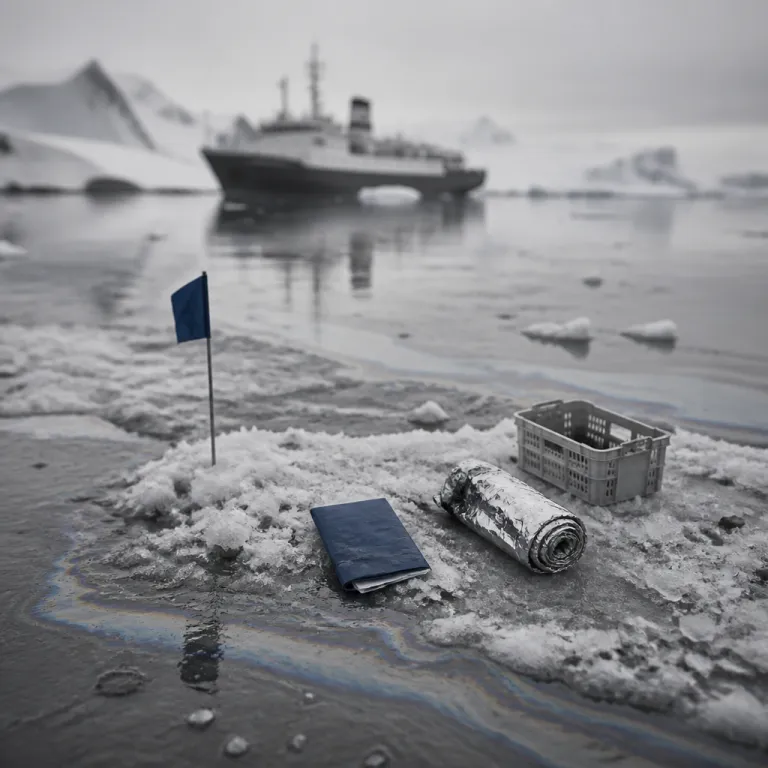
Why polar expedition cruise greenwashing sustainability claims matter more at the ends of the earth
Every polar expedition brochure now whispers the same promise of sustainable travel in the world’s most fragile waters. In the polar regions, where a single cruise ship can bring more tourists to a bay in one morning than local communities see in a season, those sustainability claims are not a lifestyle accessory but a direct intervention in the environment. When you book an expedition cruise to the Arctic or Antarctica, you are voting for one version of polar tourism over another, and the emissions from your ship based journey will echo far beyond your cabin balcony.
In Antarctica and across the wider polar regions, cruise tourism concentrates impact into short seasons, intense activities and narrow coastal corridors where wildlife, ice and science operations already compete for space. That is why polar expedition cruise greenwashing sustainability claims are so corrosive ; they allow cruise operators and tourism operators to market environmentally friendly narratives while externalising the real environmental cost of their vessels and logistics. The cruise industry has learned that the language of sustainable tourism and tourisme durable sells cabins, but not every ship or operator is prepared to align its operations with that rhetoric.
Responsible polar tourism is not about banning cruise ships from the Arctic or Antarctica, but about demanding that cruise lines and tour operators treat sustainability as a design principle rather than a marketing department. When you read about a polar cruise that promises low impact activities and deep engagement with nature, you should immediately ask how that promise is delivered in terms of fuel, waste, shore landings and support for local communities. The gap between environmental storytelling and environmental performance is where greenwashing thrives, and where discerning tourists need a sharper toolkit.
Reading the fine print on sustainability and science
The first filter for polar tourism credibility is membership in IAATO for Antarctica or AECO for the Arctic, because these bodies set binding rules on ship based operations, wildlife approach distances and maximum numbers of tourists ashore. IAATO’s cap of 100 passengers per landing site at one time is not a suggestion but a hard limit, and serious cruise operators design their vessels and expedition cruise programs around that number rather than trying to game it with staggered zodiac rotations that still overwhelm a beach. When a cruise ship carries 500 guests yet advertises intimate nature activities, you can be sure that only a fraction of those tourists will experience the landing as described in the brochure.
Look next at how an operator talks about science and citizen science on board, because this is where polar expedition cruise greenwashing sustainability claims often hide behind feel good language. A credible expedition cruise program will name its research partners, specify which datasets guests are contributing to and explain how those data feed into published climate change or wildlife studies. When a polar cruise simply mentions supporting science or partnering with scientists without naming institutions, projects or time frames, you are reading environmental mood music rather than measurable sustainability.
Operators such as Aurora Expeditions and Quark Expeditions have raised the bar by publishing detailed impact reports that quantify emissions, waste and conservation outcomes instead of relying on vague environmental pledges. Aurora’s recent reporting on biofuel trials, microplastic filtration and ocean waste removal shows how a ship can become a platform for both tourism and science, while Quark’s Polar Promise strategy sets time bound sustainability targets that can be audited. These examples do not make every voyage impact free, but they demonstrate that polar tourism can move from aspiration to accountable sustainable development when operators are willing to publish uncomfortable numbers.
Red flags in polar expedition marketing: when “eco” means almost nothing
The most common red flag in polar expedition marketing is the unqualified use of the word eco, especially when it appears near phrases like environmentally friendly cruise or green polar tourism without any supporting data. When a cruise line leans heavily on carbon offsetting schemes, reusable bottle programs and reef safe sunscreen policies, you are often looking at low cost gestures that barely touch the core emissions profile of large vessels burning marine fuel in the Arctic or Antarctica. Offsets and onboard recycling are not irrelevant, but they sit at the margins of a cruise ship’s environmental footprint compared with propulsion, routing and overall ship based design.
Another warning sign is when cruise tourism brochures focus on soft sustainability activities such as beach cleanups or citizen science while remaining silent on the harder questions of fuel type, engine efficiency and waste management. A polar cruise that invites tourists to log seabird sightings for science but does not disclose its annual emissions or fuel consumption is asking you to applaud the garnish while ignoring the main course. In the polar regions, where climate change is reshaping sea ice, wildlife and local communities at visible speed, that imbalance between narrative and numbers is not just marketing spin ; it is a form of environmental misdirection.
Pay attention to how operators describe their relationship with local communities in Arctic ports such as Longyearbyen, Ushuaia or Greenlandic settlements, because this is where based tourism can either support or undermine sustainable tourism. Genuine engagement means long term contracts with local guides, suppliers and cultural hosts, not a single shopping stop that funnels tourists into a cruise owned store. When you read about immersive local nature experiences, ask whether revenue is staying in the community or being captured entirely by the cruise industry and its global supply chains.
The hybrid propulsion question and the limits of green tech
Hybrid propulsion has become the new talisman in polar expedition marketing, with cruise ships touting battery packs, LNG engines or eco sail concepts as proof of sustainability. Some operators, including those commissioning sail assisted expedition vessels similar in spirit to Oceanwide’s eco sail projects, are genuinely experimenting with lower emissions designs that can reduce fuel burn on certain itineraries. Others simply bolt hybrid systems onto oversized vessels whose overall emissions remain high, then headline the greenest component while burying the full environmental ledger.
When you evaluate polar expedition cruise greenwashing sustainability claims around propulsion, look for absolute numbers rather than relative adjectives. A serious operator will publish grams of CO2 per passenger kilometre, explain how often the ship can run on battery power alone and clarify whether LNG or other fuels are sourced and burned in ways that genuinely reduce lifecycle emissions. Without that transparency, hybrid and LNG labels risk becoming the new eco, a feel good badge that shifts the problem rather than shrinking it.
Ship based technology is only part of the equation, because routing, speed and time at anchor also shape the environmental impact of polar tourism. A smaller expedition cruise vessel that sails slowly, spends longer in one region and minimises repositioning voyages can outperform a larger, flashier cruise ship with nominally greener engines but a hyper mobile itinerary. If you want a deeper sense of how these trade offs play out in practice, read field based reviews of Arctic landings and zodiac operations, such as the midnight sun zodiac landings described in this detailed Arctic landing guide, then compare that operational reality with the brochure’s sustainability language.
The transparency test: how to audit a polar operator before you book
Before you commit to any polar cruise, apply a simple transparency test that cuts through polished sustainability copy. Start by looking for a dedicated sustainability or impact section on the operator’s website, then check whether it contains downloadable reports with year on year data on emissions, waste, fuel use and community partnerships. If you cannot find at least one full impact report or sustainability update, you are dealing with polar expedition cruise greenwashing sustainability claims that rely on adjectives rather than audited numbers.
Next, examine whether the operator references third party frameworks or certifications relevant to polar tourism, such as IAATO, AECO or recognised environmental management standards. Membership alone does not guarantee sustainable tourism, but it does show that cruise operators accept external rules on ship based activities, wildlife interactions and visitor caps in Antarctica and the Arctic. The strongest actors go further by inviting academic institutions, environmental NGOs and tourism boards to review their data, as seen in the way Aurora Expeditions and Quark Expeditions have collaborated with science partners to shape their sustainability strategies.
Transparency also extends to how an operator talks about its fleet of vessels, because the ship is the single largest driver of environmental impact in polar tourism. Look for clear information on ice class, fuel type, average passenger capacity and whether older cruise ships have been retrofitted with cleaner technologies or are simply being marketed with new sustainability language. If a cruise ship is described as environmentally friendly without any mention of these technical details, you are likely reading a brochure that prioritises optics over operational change.
Questions that reveal real commitment in a sales call
When you speak with a sales team, your questions can quickly separate genuine sustainable development from rehearsed green phrases. Ask the consultant to share the most recent emissions data for the specific ship you are considering, including any targets for reduction over the next five years and how those targets will be met in practice. If the answer leans on generic statements about caring for the environment or supporting science without numbers, you have learned something valuable about the operator’s priorities.
Follow up by asking how the company selects its itineraries in relation to climate change, wildlife disturbance and pressure on local communities, especially in smaller Arctic settlements where tourism can overwhelm infrastructure. A serious operator will explain how they rotate landing sites, cap visitor numbers and coordinate with other tourism operators to avoid crowding, rather than simply maximising the number of activities per day. You can also ask whether the line has ever been sanctioned by IAATO or AECO for non compliance, and whether those compliance reports are publicly available.
For a structured checklist of what to ask, use resources that focus specifically on narrowing the field of polar options, such as the question led framework in this guide to choosing a polar expedition. Combine that with the simple rule of preferring smaller ships, longer voyages and operators that publish uncomfortable data over those that promise guilt free polar tourism without evidence. The more you treat yourself as an auditor rather than a passive guest, the more the cruise industry will be forced to align its marketing with measurable sustainability.
The traveler’s role: from passive passenger to active stakeholder in polar tourism
Travelers who head for Antarctica or the high Arctic are not average tourists ; they are often senior professionals used to reading balance sheets and interrogating risk. That same analytical instinct can be applied to polar expedition cruise greenwashing sustainability claims, turning each booking decision into a small but meaningful lever on the cruise industry. When enough passengers start asking for emissions data, IAATO compliance records and named science partners, operators quickly learn that sustainability is no longer a decorative paragraph but a core part of the product.
Your influence does not end with the booking, because what you do on board and ashore also shapes the footprint of polar tourism. Choosing lower impact activities, respecting wildlife distances, declining unnecessary helicopter flights and supporting local businesses in gateway ports all contribute to a more sustainable pattern of based tourism. In places like Sitka, Ushuaia or Longyearbyen, where cruise tourism can either enrich or distort local economies, spending time and money with independent operators rather than defaulting to ship excursions helps align your travel with sustainable tourism principles.
Think of yourself as part of a temporary community on board, one that can either normalise performative eco gestures or push for deeper change in how the ship operates. Ask to meet the expedition leader or sustainability officer, and use that conversation to inquire about waste segregation, grey water treatment and how citizen science projects are chosen and evaluated. When fellow guests see that these questions are not confrontational but simply part of being an informed traveler, the culture on board shifts subtly toward accountability.
Choosing experiences that match your ethics and expectations
Not every polar cruise needs to be a hardcore science expedition, but every voyage should be honest about its environmental trade offs. If you want a quieter, more reflective relationship with polar nature, consider smaller vessels that prioritise time on deck, extended zodiac cruises and fewer but deeper landings over a frantic checklist of activities. Reviews that focus on the texture of a landing, the silence of a bay or the way a penguin colony ignores you because you are the least interesting thing on the beach often signal an operator that values place over spectacle.
When you extend a business trip into a polar journey, you are already curating your time with unusual precision, and that same mindset can guide your sustainability choices. Look for itineraries that connect polar cruising with thoughtful coastal experiences, such as wildlife and culture focused days in ports where land based tourism is well established and regulated. For example, refined experiences in Sitka from a cruise ship, as explored in this Sitka coastal and wildlife guide, show how cruise tourism can integrate respectfully with local nature and communities when designed carefully.
Ultimately, the most powerful antidote to polar expedition cruise greenwashing sustainability claims is a traveler who insists on alignment between words and actions, both from operators and from themselves. By choosing cruise lines that publish impact data, support rigorous science and engage transparently with local communities, you help steer polar tourism toward genuine sustainable development rather than brochure deep virtue. The ice does not care about our marketing language, but it will register every tonne of fuel we burn to reach it.
Key figures behind polar expedition sustainability claims
- Aurora Expeditions has reported a 90 % reduction in emissions on certain voyages through the use of biofuel blends, illustrating how fuel choice can dramatically alter the environmental profile of a single ship when supported by transparent data (Aurora Expeditions impact reporting).
- The same Aurora Expeditions reporting cites 4 716 kilograms of ocean waste removed and 4 716 marine life plantings supported through targeted conservation activities, showing how ship based tourism can contribute to restoration when programs are clearly quantified and audited.
- Microplastic filtration systems on selected Aurora vessels are reported to remove up to 99 % of microplastics from processed water before discharge, demonstrating how technical upgrades on cruise ships can address less visible forms of pollution in polar and subpolar waters.
- Industry analysis shows a marked increase in consumer scrutiny of sustainability claims in polar tourism marketing, with surveys indicating that travelers now routinely check for detailed impact reports and third party certifications before booking, reinforcing the guidance that “Check for detailed impact reports and third-party certifications.”
- IAATO’s long standing limit of 100 passengers ashore at any Antarctic landing site at one time has become a de facto design parameter for serious expedition cruise vessels, encouraging smaller ships and more carefully managed activities to reduce crowding and wildlife disturbance.