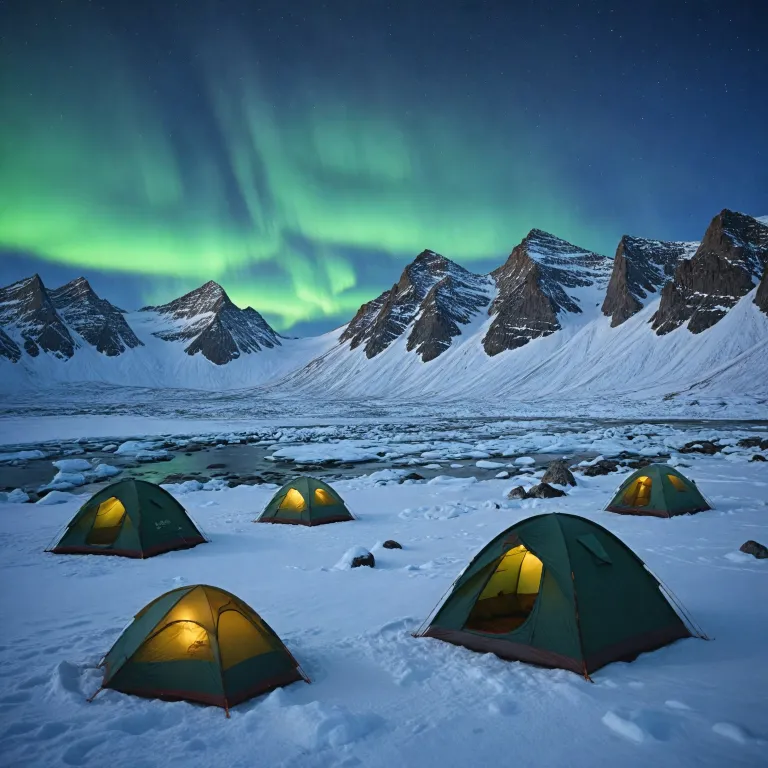
Preparing for arctic camping adventures: essential gear, planning, and timing
Embarking on arctic camping adventures requires meticulous preparation. The arctic environment is both breathtaking and unforgiving, demanding specialized camping gear and clothing designed for extreme cold. Thermal layers, waterproof outerwear, and sturdy boots are non-negotiable for every trip. Whether you are planning a self-guided expedition or joining a guided tour, physical fitness is crucial for the demanding activities that await. The best time for arctic camping adventures is during the summer months, particularly from June to August, when temperatures are milder and daylight stretches for nearly 24 hours. This period, spanning from June July to August September, offers optimal conditions for wildlife viewing, river rafting, and extended day trips. When preparing your day itinerary, consider the unique challenges of the arctic, such as unpredictable weather and remote locations. Packing lists should always include emergency gear, navigation tools, and ample food supplies. Safety is paramount; as one expert notes, "When conducted with experienced guides and proper preparation, Arctic camping adventures are generally safe. It's crucial to follow safety guidelines and respect the natural environment." Planning your trip several months in advance ensures access to the best camps and guides, especially in popular regions like the Brooks Range or the arctic national parks. For those interested in sustainable travel, working with local tour operators and indigenous communities enhances the authenticity of your experience while supporting conservation efforts.
Choosing your arctic base camp: from Alaska to Svalbard
Selecting the right base camp is a pivotal decision in any arctic camping adventure. Options range from the wilds of Alaska’s arctic national wildlife refuge to the dramatic fjords of Svalbard and the remote tundra of Arctic Bay, Canada. Each destination offers distinct opportunities for exploration, from river rafting along pristine waterways to wildlife viewing in protected national parks. The Brooks Range in Alaska is renowned for its rugged beauty and serves as a gateway to the Gates Arctic National Park, where caribou herds migrate across vast wilderness. In Svalbard, camps are often set against a backdrop of glaciers and polar bear habitats, providing a unique blend of adventure and education. Arctic Bay Adventures in Canada specializes in immersive trips that include hiking, cultural encounters, and day trips along the river. When choosing your base camp, consider the type of activities you wish to experience, such as polar bear tracking, fishing, or northern lights observation. Many camps offer tailored day itineraries, allowing travelers to explore the arctic landscape at their own pace. For those seeking a blend of comfort and adventure, guided trips provide expert knowledge and logistical support. Learn more about selecting the ideal base camp by visiting arctic camping locations, where you’ll find detailed information on camps, gear, and local partnerships.
Wildlife encounters: polar bears, caribou, and the arctic’s untamed residents
One of the most compelling aspects of arctic camping adventures is the opportunity for close wildlife encounters. The arctic is home to an extraordinary array of species, from the iconic polar bear to vast herds of caribou and elusive arctic foxes. Wildlife viewing is best during the summer months, when animals are most active and accessible. The arctic national wildlife refuge in Alaska is a sanctuary for polar bears, especially during the ice-free season, while the Brooks Range supports thriving populations of caribou and migratory birds. Day trips along the river or through the tundra often yield sightings of musk oxen, wolves, and even rare wolverines. Responsible travel practices are essential; maintaining a safe distance and respecting the animals’ natural behaviors ensures both your safety and the well-being of the wildlife. As you plan your trip, include wildlife viewing as a core component of your day itinerary, and consider joining guided excursions led by experts familiar with the region’s ecology. For those interested in river rafting, the arctic’s waterways provide a unique vantage point for observing animals in their natural habitat. For a deeper understanding of arctic wildlife and conservation, explore the resources at arctic wildlife experiences.
Cultural immersion: indigenous communities and arctic traditions
Arctic camping adventures offer more than just encounters with nature; they provide a gateway to the rich cultures and traditions of indigenous peoples. Many trips are designed in partnership with local communities, allowing travelers to engage in cultural activities, traditional food preparation, and storytelling. In regions like Arctic Bay, Canada, visitors can participate in guided hikes, learn about the history of the land, and experience the rhythms of daily life in the north. The arctic’s cultural landscape is as diverse as its wildlife, with each community offering unique perspectives on survival, adaptation, and stewardship of the land. Food plays a central role in these experiences, with opportunities to sample local delicacies and learn traditional cooking methods. Engaging with indigenous guides enriches your understanding of the arctic’s history and fosters a deeper appreciation for its fragile ecosystems. Respect for local customs and traditions is paramount; travelers are encouraged to approach each interaction with openness and humility. These immersive experiences not only enhance your trip but also contribute to the preservation of cultural heritage and support sustainable tourism initiatives.
Experiencing the arctic wilderness: river rafting, hiking, and the northern lights
The arctic wilderness is a playground for adventure seekers, offering a range of activities that highlight the region’s raw beauty. River rafting is a popular choice, with trips along the arctic’s untamed rivers providing both excitement and unparalleled views of the landscape. Hiking across tundra and through national parks like Gates Arctic reveals a world of contrasts, from wildflower meadows to icy peaks. Day trips are structured to maximize exploration while ensuring safety, with experienced guides leading the way. The phenomenon of the northern lights adds a magical dimension to arctic camping adventures, especially during the shoulder seasons of April June and July August. Witnessing the aurora borealis from your camp is an unforgettable experience, often described as a trip lifetime. For those seeking solitude, the vastness of the arctic wilderness offers moments of profound stillness and reflection. Proper gear and preparation are essential for all activities, as conditions can change rapidly. Whether you are rafting, hiking, or simply enjoying the midnight sun, each day brings new opportunities to explore and connect with the polar environment.
Sustainable travel and safety: preserving the arctic for future generations
Sustainable travel is at the heart of modern arctic camping adventures. Tour operators and travelers alike are increasingly committed to minimizing their impact on the fragile polar environment. This includes using eco-friendly gear, adhering to strict waste management protocols, and supporting conservation initiatives in national parks and wildlife refuges. Education is a key component, with many trips incorporating lessons on arctic ecosystems, climate change, and the importance of preserving wildlife habitats. As one expert advises, "Essential items include thermal clothing, waterproof gear, sturdy boots, and specialized camping equipment suitable for cold environments." Safety remains a top priority, with modern technology enhancing navigation and communication in remote areas. Travelers are encouraged to respect local customs, avoid disturbing wildlife, and leave no trace during their stay. By choosing responsible operators and engaging in ethical travel practices, you contribute to the long-term preservation of the arctic’s unique landscapes and cultures. The impact of your trip extends beyond personal experience, fostering greater awareness and appreciation for one of the world’s last great wildernesses.
Key statistics on arctic camping adventures
- Average summer temperature in Svalbard: 5°C
- Number of visitors to Svalbard: 30,000 people
Frequently asked questions about arctic camping adventures
What is the best time to go on an Arctic camping adventure?
The best time is during the Arctic summer months, typically June to August, when temperatures are milder and daylight is extended.
What should I pack for an Arctic camping trip?
Essential items include thermal clothing, waterproof gear, sturdy boots, and specialized camping equipment suitable for cold environments.
Are Arctic camping adventures safe?
When conducted with experienced guides and proper preparation, Arctic camping adventures are generally safe. It's crucial to follow safety guidelines and respect the natural environment.
Trusted sources: Norwegian Meteorological Institute, Svalbard Tourism Board, Arctic Adventures
