The peninsula bottleneck and why Antarctica tourism numbers 2026 expedition planning must change
Planning Antarctica travel for the 2026 season now starts with one blunt fact. The International Association of Antarctica Tour Operators (IAATO) reports 118,491 visitors in the 2023–24 season, the second year that tourism in Antarctica has stayed above one hundred thousand travellers. On the ground, or rather on the ice, that surge concentrates almost entirely along the Antarctic Peninsula, where about 98 percent of tourism activity presses into roughly 2 percent of the continent. IAATO’s tourism statistics and landing reports make that imbalance clear.
For an executive planning to travel to Antarctica on limited time, this peninsula bottleneck shapes everything from route choice to ship size. Classic Antarctica cruise itineraries from South America still focus on the same arc of the Antarctic Peninsula, looping from the South Shetlands down towards the Antarctic Circle and back within the short November–March window. IAATO landing statistics show how intense that pattern has become, with Neko Harbor logging around 220 landing calls, Whalers Bay 194, and Portal Point 184 in a single season, all documented in the association’s publicly available site-by-site data.
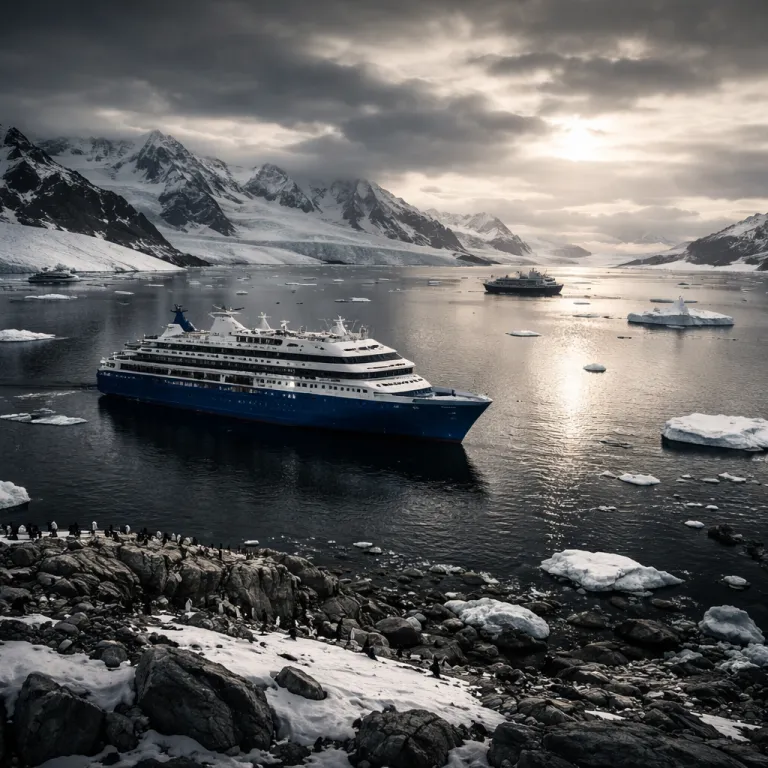
Those numbers matter because IAATO rules cap each landing at 100 people ashore at any one time, with a mandatory 1:20 expedition team to guest ratio. On a polar expedition ship carrying 200 or more travellers, that means staggered landings, shorter walks, and more time waiting on the sea in Zodiacs while another group photographs penguin chicks on the beach. Smaller Antarctic expedition vessels with around 100 guests can disembark everyone at once, which often translates into longer hikes, quieter wildlife encounters, and a better use of the limited daylight during the austral summer season Antarctica offers.
For those intent on visiting Antarctica for its wildlife rather than its statistics, the concentration of expeditions in the peninsula also affects behaviour. Penguins, seals, and other polar wildlife are increasingly accustomed to ships and Zodiacs in high traffic bays, even if strict IAATO guidelines keep minimum distances and limit disturbance. As the Antarctic and Southern Ocean Coalition reminds travellers, "What is the main concern with increased Antarctic tourism? Environmental impact and ecosystem disturbance."
That concern is now central to serious Antarctica travel planning, especially for business leisure travellers who expect high service standards but also want their tourism footprint to be defensible. Choosing tour operators that work closely with the International Association of Antarctica Tour Operators and research stations on the continent is one way to align your Antarctic expedition with best practice. Another is to read landing statistics carefully and ask where, exactly, your ship plans to operate along the south side of the Antarctic Peninsula and how often it intends to cross the Antarctic Circle or linger in less visited stretches of sea ice.
To make those trade offs easier to visualise, compare a typical large ship and a smaller expedition vessel on a busy peninsula route:
| Ship type | Guests on board | Guests ashore at once | Typical landing pattern |
|---|---|---|---|
| Larger cruise ship | 200–500 | 100 (IAATO cap) | Staggered groups, more waiting time, shorter walks |
| Smaller expedition vessel | 90–120 | Entire ship at once | Longer hikes, quieter landings, more flexible timing |
Price is the other constraint that intersects with these Antarctica tourism numbers and 2026 expedition planning realities. For most premium ships, a classic ten to twelve day Antarctica cruise now starts at several thousand USD per person, rising sharply for suites and fly-in options that skip the Drake Passage. At that level, executives extending a South America business trip into a polar expedition should expect clear data on landing opportunities, wildlife focus, and how the expedition team will manage crowding at key sites during the peak of the season Antarctica experiences between late December and early February.
Those who want to balance Antarctic ice with northern lights might also consider pairing their southern voyage with a separate polar trip in the north. Planning a later season Antarctic cruise and an earlier season hike under the midnight sun in Norway, for example, can spread your polar travel across different months and hemispheres. For a sense of how shoulder season light and weather feel in the Arctic, our detailed guide to hiking in the Lofoten Islands under the midnight sun and northern lights offers a useful counterpoint to the austral summer conditions you will face when visiting Antarctica.
Ships, routes and the small vessel advantage in a crowded Antarctic season
Once you accept that modern Antarctica tourism involves a six figure visitor base, the next decision is ship size. On paper, large cruise ships promise more amenities, but in the Antarctic they are constrained by the same 100 person ashore rule that governs every landing on the continent. In practice, that means a 500 guest ship may offer scenic cruising only, while a 100 guest polar expedition vessel can land everyone at once and still keep the required 1:20 expedition team ratio.
For travellers who value time on the ice over time in the spa, that small ship advantage is decisive. A compact Antarctica cruise with fewer than 120 passengers typically secures more flexible landing slots along the Antarctic Peninsula, because operators can rotate quickly through sites without breaching IAATO caps. Over a standard November–March itinerary, that can mean an extra landing or Zodiac cruise every few days, which is the difference between watching penguin chicks from a distance and having the time to sit quietly while the colony forgets you are there.
Route choice is the second lever that serious Antarctica travel planners can pull to escape the peninsula bottleneck. While most expeditions still sail from South America to the northern Antarctic Peninsula, a growing number of tour operators are designing itineraries that push deeper into the Weddell Sea or focus on South Georgia as a stand alone destination. These routes often appeal to travellers who have already done a classic Antarctic Peninsula loop and now want more remote sea ice, different wildlife densities, and fewer ships on the horizon.
South Georgia in particular rewards those willing to invest more time and a higher USD per person budget. The island sits well north of the Antarctic Circle, but its king penguin colonies, elephant seals, and whaling history make it one of the most intense wildlife experiences in the wider south polar region. Because fewer expeditions can spare the extra days at sea, landing sites there see far less traffic than Neko Harbor or Whalers Bay, which is why repeat visitors often rate a South Georgia voyage as their best time in the region.
Ship hardware also matters when you look beyond the headline tourism numbers and 2026 expedition planning data. Ice strengthened hulls, dynamic positioning, and a well drilled expedition team can open up marginal landings in shoulder season, when sea ice and weather windows are less predictable. Travellers comparing polar expedition ships should ask not only about cabins and cuisine, but also about how many Zodiacs the ship carries, how quickly it can disembark 100 people, and how often it has operated in the Weddell Sea or south of the Antarctic Circle in recent seasons.
Ownership and management changes in the fleet are another underappreciated variable for visiting Antarctica with confidence. When a seasoned polar operator takes full control of a ship, it can refine itineraries, invest in the expedition team, and adjust operations to the latest IAATO guidance on tourism and wildlife. Our analysis of what Polar Latitudes’ ownership of Discoverer changes for future Antarctic travellers shows how a focused operator can turn a standard Antarctic expedition platform into a more agile, landing led experience.
For business leisure travellers used to reading balance sheets, the key is to interrogate the operational logic behind each itinerary rather than the brochure language. Ask how many landings are realistically possible in the core of the season Antarctica experiences, how often the ship expects to cruise pack ice rather than land, and what contingency plans exist if weather closes the usual bays. As one veteran expedition leader put it on a recent voyage, "The ship is your toolbox, not your destination. In a busy year, the operators who still feel like expeditions are the ones who use every tool to keep you off the beaten track." A serious Antarctica travel plan treats the vessel as a means of accessing the ice and wildlife, and uses the current tourism numbers as a prompt to choose routes that still feel like an expedition.
Off peninsula strategies, shoulder seasons and the ethics of visiting Antarctica now
With Antarctica tourism numbers and 2026 expedition planning already shaped by a six figure visitor base, the most effective way to reclaim a sense of remoteness is to step off the main grid. That can mean booking a November or March sailing, when fewer ships operate and the light is sharper, or choosing itineraries that push into the Weddell Sea or the Ross Sea rather than hugging the crowded west side of the Antarctic Peninsula. These options demand more flexibility with time and budget, but they reward travellers with thinner crowds and a more spacious relationship to the ice.
Shoulder season voyages between November and March also change the wildlife narrative in subtle ways. Early in the austral summer, penguin colonies are busy with nest building and courtship, while by late season many penguin chicks are moulting and testing the sea for the first time. For travellers who care about photography and behaviour, matching the best time to your interests is as important as choosing the right ship, because the same landing site can feel like a different continent in different weeks of the season Antarctica offers.
Ethics now sit alongside logistics in any serious Antarctica travel conversation, especially as scientists warn that Antarctic sea ice may never fully recover to historical norms. The combination of rising tourism, climate change, and pressure on the Antarctic Treaty System has prompted environmental analysts and NGOs to call for tighter regulation of cruise traffic and stricter protection of key wildlife sites. To understand how these shifts intersect with your own plans to travel to Antarctica, our report on the triple whammy facing Antarctic sea ice is essential reading before you book.
Responsible visiting Antarctica now means more than following the briefing on board and cleaning your boots before each landing. It starts with operator choice, favouring tour operators that work closely with IAATO, research stations, and environmental groups to minimise tourism impact on wildlife and fragile vegetation. As IAATO guidance stresses, "How can tourists minimize their impact in Antarctica? Adhere to IAATO guidelines and practice responsible tourism."
It also means being realistic about what an Antarctic expedition can and cannot deliver when 118,000 visitors share the same coastline. You may not be alone at a classic penguin colony, but you can still choose a polar expedition that limits noise, keeps groups small, and spends more time in less trafficked bays and channels. For many executives used to premium service, that trade off between absolute solitude and well managed, low impact tourism is acceptable when framed honestly.
Finally, the most sophisticated Antarctica tourism numbers and 2026 expedition planning treat this journey as part of a wider polar travel portfolio. Some travellers now alternate between south polar voyages and northern hemisphere trips, using one year for an Antarctica cruise and another for a high latitude hike or ski tour. Others allocate a fixed USD per person budget across several shorter expeditions, accepting fewer nights on board in exchange for more varied experiences across the polar regions.
Whatever your strategy, the message from the current Antarctic tourism data is clear enough to read without spin. Antarctica remains one of the most powerful places on the planet to visit, but it is no longer a blank map where ships can roam without limits. As IAATO and the Antarctic Treaty parties debate how to manage the next wave of expeditions to the south, the most discerning travellers will be those who align their own plans with the realities of the ice, the wildlife, and the numbers.