Understanding June weather in Alaska and what that means for your suitcase
Planning what to pack for an Alaska cruise in June starts with understanding the weather. June in Alaska brings long bright days, cool coastal winds, and sudden rain showers that can chill you quickly. Your cruise packing strategy must keep you warm and dry on deck yet flexible enough for sunny moments on a sheltered ship balcony.
Along the Inside Passage, daytime temperatures often sit between about 8 and 15 °C (mid‑40s to low‑60s °F), while nights on the ship feel colder when the wind picks up across open water. That means every Alaska cruise packing list should combine insulating layers, a reliable waterproof jacket, and wind-resistant outerwear rather than one heavy coat that becomes useless when the sun appears. When you think about what to bring for an Alaskan cruise in June, imagine standing still on deck for an hour watching glaciers, then stepping into a heated lounge minutes later.
Rain is frequent, especially on a day in Alaska ports like Ketchikan, where light drizzle can turn to steady rain without warning. Long-term climate normals from the National Oceanic and Atmospheric Administration indicate that Ketchikan typically receives on the order of 150–250 millimetres (6–10 inches) of rain in June, so you should expect wet conditions rather than occasional showers. A seam-sealed rain jacket or lightweight windbreaker with a hood is essential, and you should plan to pack both short sleeves and long sleeves so you can adapt quickly. For many travellers, the thought Alaska evokes is deep winter, yet June sailings feel more like a cool maritime spring, so your packing list must balance warm layers with breathable fabrics that will dry fast in a small cabin.
Layering system for deck time, glacier viewing, and shore excursions
For any Alaska cruise, layering is the single most important concept when deciding what to pack. Start with a moisture-wicking base layer on top and bottom, then add a mid layer such as a fleece or light wool sweater, and finish with a waterproof jacket or a lightweight windbreaker depending on the day. This three-layer system keeps you warm and dry during long glacier viewing sessions on the ship while allowing you to shed layers quickly when you head indoors.
On your packing list, include at least two thermal tops, one or two pairs of thin thermal pants, and several shirts with short sleeves for warmer afternoons in sheltered bays. Add a thicker fleece or light down jacket for cold days in Alaska early in the season, especially if your itinerary includes Tracy Arm or Glacier Bay where katabatic winds can feel sharp. When you are ready to embark on a zodiac-style excursion or a small-boat wildlife tour, you will appreciate having both a rain jacket and a wind-resistant shell so you can adapt to changing conditions.
For shore excursions, pack one pair of quick-drying hiking pants and another pair of heavier softshell pants that block wind. Many cruise lines on polar-style itineraries now provide parkas on board, and it is worth reading guidance such as the advice on whether your expedition or cruise includes a parka before you invest in a bulky coat. If your Alaska cruise does not include outerwear, prioritise a packable insulated jacket that fits under your waterproof shell, because that combination works from the open decks of a large ship to windy viewpoints above Skagway.
Footwear, bags, and keeping your gear dry on and off the ship
Footwear can make or break your Alaska cruise, so plan this part of your packing list carefully. You need at least one pair of sturdy walking shoes or light hiking boots with good grip for wet wooden docks and uneven trails, plus a second pair of casual shoes for evenings on the ship. If your itinerary includes more rugged excursions, a mid-height waterproof hiking boot keeps your feet warm and dry during long days outside.
Because rain is common, every traveller should pack a small dry bag or waterproof daypack for shore excursions where you carry a camera and cell phone. A roll-top dry bag inside your main day bag adds extra protection for electronics when you are in a small boat or near waterfalls, and it weighs very little in your luggage. For a typical day in an Alaska port call, a 20 to 25 litre waterproof daypack is ideal, large enough for a spare jacket, hat, lightweight gloves, and a refillable water bottle without feeling bulky in crowded streets.
On board the ship, a compact shoulder bag or simple backpack keeps your hands free while you move between deck and lounge. Many travellers underestimate how often they step outside for a quick photo, so having your rain jacket, hat, and camera in one grab-and-go bag is invaluable. If you plan to work remotely or stay connected, read technical advice such as the guide to satellite Wi Fi on polar-style ships and pack cables, power banks, and protective cases accordingly.
Clothing essentials for cabins, dining rooms, and relaxing sea days
Life on an Alaska cruise alternates between brisk outdoor moments and relaxed time indoors, so your packing list must cover both. Cabins are generally warm, but air conditioning and bright nights can affect sleep, which is why many experienced travellers pack a comfortable sleep mask and light loungewear. For sea days when you stay mostly on the ship, soft trousers, breathable tops with short sleeves, and a cosy sweater are usually enough.
Most mainstream cruise lines sailing Alaskan itineraries keep dress codes relaxed, so you rarely need formal wear unless you enjoy it. Pack one smart-casual outfit for special dinners, such as dark pants and a shirt or a simple dress with a cardigan, and rely on layers rather than heavy garments that take space in your bag. Shoes for evenings can be a neat pair of flats or clean sneakers, as long as you still have separate shoes or boots reserved for wet outdoor excursions.
Remember that laundry services on a ship can be expensive, so plan enough underwear and socks for several days between washes. Quick-drying fabrics help when you rinse items in the cabin sink, especially if you hang them in the bathroom where warm air circulates. When you think about what to pack for an Alaska cruise in June, imagine a capsule wardrobe that mixes and matches easily, keeping you warm and dry on deck yet comfortable in lounges, theatres, and observation bars.
Shore excursion gear, day by day planning, and smart tech choices
Every Alaskan cruise includes a mix of shore excursions, from gentle town walks to full-day hikes or kayaking, and your packing list should reflect that variety. Start by mapping your itinerary day by day, then note which days involve long outdoor activities so you can plan specific outfits and gear. This approach prevents overpacking while ensuring you never face a cold, wet day in an Alaska port without the right jacket or pants.
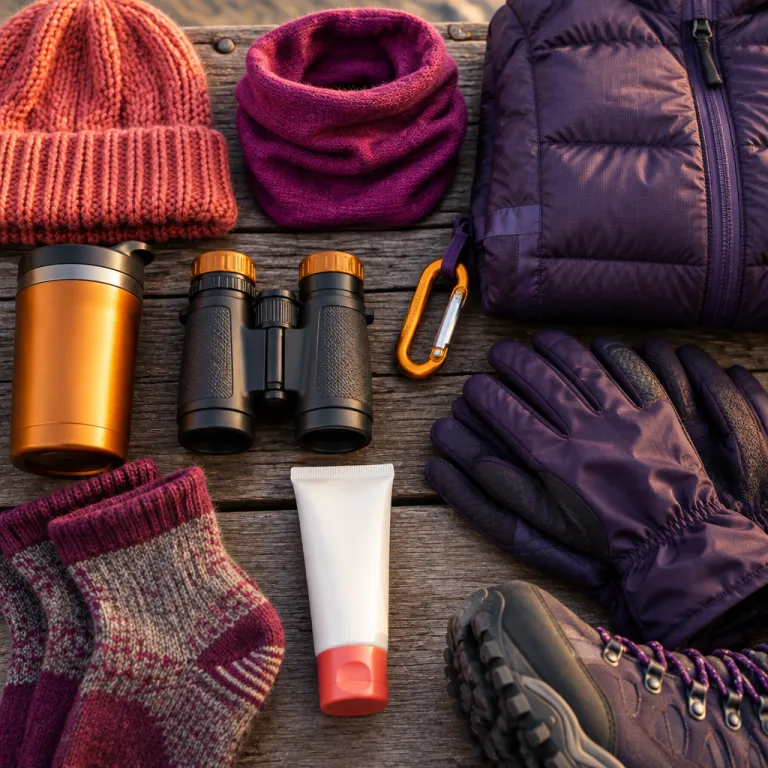
For active excursions, pack lightweight gloves, a warm hat, and a neck gaiter, even in June, because wind on open water can feel surprisingly sharp. A compact waterproof jacket with pit zips works well for hiking, while a slightly heavier rain jacket suits slower sightseeing days when you stand still more often. Always carry a small dry bag or waterproof daypack with a spare pair of socks, a thin fleece, snacks, and a power bank for your cell phone, because cold drains batteries faster.
Photography enthusiasts should protect cameras with rain covers and keep lenses in padded inserts inside a day bag. If you plan to navigate independently in ports or consider an overland segment, resources such as the guide on whether you can drive to Juneau for an Arctic style road trip help you understand local logistics and road conditions. Whatever your plans, think of each shore day as a mini expedition, and pack accordingly so that your Alaska cruise feels effortless rather than improvised.
Special considerations for early season Alaska, polar style habits, and minimalist packing
Travellers often ask what to pack for an Alaska cruise in June when sailing early in the season, because conditions can resemble a softer version of Arctic coastal weather. Early June can still bring chilly mornings, lingering snow on higher trails, and cold rain that seeps into inadequate jackets. That is why a serious waterproof jacket, warm mid layers, and reliable shoes or boots matter more than extra evening outfits or accessories.
Adopting polar expedition habits helps you refine your cruise packing list. Prioritise function over fashion, choose fabrics that dry quickly, and limit yourself to one main bag plus a personal item so you can move easily through airports and ship terminals. When you are ready to embark, you should know exactly where your rain jacket, hat, lightweight gloves, and sleep mask are packed, rather than rummaging through an overstuffed suitcase.
Minimalist packing also reduces clutter in compact cabins, making it easier to keep wet gear separate from clean clothes so everything stays warm and dry. Use small packing cubes to divide base layers, mid layers, and outerwear, and keep a dedicated cube for shore excursion essentials that you can transfer directly into your day bag. If you follow these principles, your Alaska cruise wardrobe will feel closer to a well-planned polar kit than a random holiday suitcase, and every item you pack will earn its place over multiple days of your trip.
Sample seven day Alaska cruise packing list for June
To translate all this advice into action, it helps to see a concrete packing list for a typical seven-day Alaska cruise in June. Adjust quantities to your own habits, but keep the structure, because it reflects how experienced polar travellers think about what to pack for variable weather. This sample list assumes laundry is available once mid trip and that you prefer one checked bag plus one carry-on.
Clothing (core layers)
- Must: 3–4 short-sleeve shirts; 3 long-sleeve tops; 2 lightweight sweaters
- Must: 1 fleece jacket; 1 packable insulated jacket
- Must: 2 pairs quick-drying pants; 1 heavier softshell pair
- Must: 1 pair thermal leggings; sleepwear that can double as loungewear
- Must: Underwear and socks for at least 6 days, including several pairs of warm hiking socks
Outerwear, footwear, and accessories
- Must: 1 serious waterproof jacket with hood; 1 lightweight windbreaker
- Must: Warm hat; neck gaiter; lightweight gloves; sunglasses
- Must: 1 pair sturdy waterproof shoes or boots; 1 pair casual shoes
- Optional: Sandals or flip-flops for spa or pool
- Must: Waterproof daypack or regular day bag plus a small dry bag
- Must: Sleep mask; sunscreen; lip balm; well-protected cell phone with offline maps and cruise documents stored safely
Key figures for June Alaska cruises and packing decisions
- Average daytime temperatures on popular Inside Passage routes in June range from about 8 to 15 °C (mid‑40s to low‑60s °F), according to the National Weather Service (weather.gov), which justifies packing layered clothing rather than a single heavy coat.
- Coastal towns such as Ketchikan can receive roughly 150–250 millimetres (6–10 inches) of rain in June based on long-term climate normals from the National Oceanic and Atmospheric Administration (noaa.gov), so a waterproof jacket and dry bag are not optional extras.
- Daylight in southeast Alaska in June can exceed 17 hours, as reported by the United States Naval Observatory (aa.usno.navy.mil), which explains why many travellers benefit from using a sleep mask in bright cabins.
- Large cruise ships visiting Alaska routinely carry over 2,000 passengers per sailing according to Cruise Lines International Association data (cruising.org), making compact, organised packing important when sharing limited cabin storage space.
- Guidance from polar operators and associations such as the International Association of Antarctica Tour Operators (iaato.org) consistently emphasises layered clothing systems over single heavy garments, a principle that applies directly to what to pack for an Alaska cruise in June.
FAQ about what to pack for an Alaska cruise in June
Do I need a heavy winter coat for an Alaska cruise in June ?
You generally do not need a full winter parka for an Alaska cruise in June, especially on the Inside Passage. A warm mid layer combined with a quality waterproof jacket or a windproof shell is usually enough for glacier viewing and deck time. Reserve heavy expedition parkas for true Arctic or Antarctic voyages where temperatures drop well below freezing.
How many pairs of shoes should I bring on an Alaska cruise ?
Most travellers do well with two or three pairs of shoes. Bring one pair of sturdy waterproof shoes or boots for shore excursions, one comfortable pair of casual shoes for the ship, and optional sandals or light slip-ons for the spa or pool. This combination balances practicality, comfort, and luggage space.
Is formal wear required on Alaska cruises ?
Dress codes vary by cruise line, but many Alaska cruise itineraries are relatively relaxed. One smart-casual outfit, such as dark pants and a collared shirt or a simple dress with a cardigan, usually covers any special evenings. Check your specific line’s guidelines before you pack to avoid unnecessary extra clothing.
Should I pack binoculars for an Alaska cruise in June ?
Binoculars are highly recommended for wildlife watching and glacier viewing. A compact pair with 8x or 10x magnification lets you see whales, bears on shorelines, and distant waterfalls more clearly from the ship. If you prefer to travel light, some ships lend binoculars, but personal optics are more reliable.
Do I need special bags to keep my electronics safe from rain ?
Given frequent showers in coastal Alaska, a small dry bag or waterproof daypack is very useful. These bags protect your cell phone, camera, and documents during wet shore excursions or small boat tours. Even a simple roll-top dry bag inside a regular backpack adds valuable protection with minimal extra weight.
One-page June Alaska cruise packing checklist
Use this at-a-glance list as a printable, clipboard-friendly checklist when you pack for your June Alaska cruise.
- Layered tops: 3–4 short-sleeve shirts, 3 long-sleeve tops, 2 lightweight sweaters, 2 thermal base layers
- Bottoms: 2 quick-drying pants, 1 softshell pair, 1 thermal leggings, sleepwear that doubles as loungewear
- Outerwear: serious waterproof jacket with hood, lightweight windbreaker, fleece jacket, packable insulated jacket
- Footwear: sturdy waterproof shoes or boots, casual shoes for the ship, optional sandals or flip-flops
- Accessories: warm hat, neck gaiter, lightweight gloves, sunglasses, sleep mask, sunscreen, lip balm
- Bags and tech: waterproof daypack or backpack plus small dry bag, power bank, charging cables, protective cases
- Essentials: underwear and socks for at least 6 days, warm hiking socks, refillable water bottle, travel documents, offline maps on your phone