Arctic diving beneath the ice: what to expect from your first polar descent
Arctic diving is scuba diving conducted beneath or alongside sea ice in the high polar regions. The experience combines technical cold water diving skills with the sensory shock of slipping through a narrow ice hole into clear, dark water. Every dive in the Arctic or Antarctic feels like entering a cathedral of light, where ice ceilings glow turquoise and silence amplifies each breath.
Professionally run polar diving expeditions in the Arctic Circle usually operate from May to October, when sea ice conditions and daylight hours are more favorable. Operators structure each day around safety briefings, gear checks, and carefully timed dives, including contingency plans for shifting ice or changing weather. The typical expedition cruise model allows divers and non divers to share the same voyage, with some guests joining whale watching or shore excursions while others prepare for water diving beneath the ice.
Water temperatures for arctic diving often hover around −1 °C, roughly 30 °F, which classifies these experiences as extreme cold water diving. This environment demands a dry suit, thick thermal undergarments, and dry gloves, all supported by safety personnel trained specifically for ice diving procedures. Smithsonian Ocean reports that seawater in many polar locations remains close to the freezing point of salt water, reinforcing why regulators and exposure protection must be chosen for near freezing conditions.
Under the ice, divers encounter sculpted overhangs, frozen ceilings, and shafts of light that transform routine dives into surreal polar experiences. Marine life in these polar regions can include comb jellies, sea angels, and occasionally curious seals that approach divers with surprising confidence. Each dive is short in duration but intense in sensation, and the expedition team monitors every diver for cold stress and post dive recovery.
Because arctic diving is logistically complex, the service provided by specialized dive operators is highly structured. They coordinate travel arrangements, manage excess baggage for heavy scuba diving equipment, and ensure that safety ropes and surface support are always in place. For many divers, the combination of scientific diving style discipline and high latitude adventure is precisely what makes these polar expeditions so compelling.
Planning a polar diving voyage: routes, seasons, and choosing an expedition cruise
Planning a polar diving voyage begins with choosing between the Arctic and the Antarctic, each offering distinct landscapes and wildlife. Arctic diving itineraries often focus on Svalbard, Greenland, or northern Norway, where sea ice, fjords, and glacial fronts create varied dive sites. Antarctic and sub antarctic routes, by contrast, may include the Antarctic Peninsula, the Weddell Sea, or remote islands such as South Georgia.
In the Arctic, the main diving season typically runs from late spring to early autumn, when daylight is almost continuous and ice conditions are more predictable. During this period, an expedition cruise may combine arctic diving with shore excursions to see seabird colonies, historical sites, or tundra landscapes. Many operators also integrate non diving activities such as zodiac cruising and whale watching, which keeps mixed groups of divers and non divers engaged throughout the day.
Antarctic diving follows the austral summer, when sea ice retreats and wildlife activity peaks around the Antarctic Peninsula and nearby islands. Some itineraries extend to South Georgia, where divers may not always enter the water but still benefit from exceptional wildlife encounters during landings and zodiac tours. When you evaluate an expedition, study the day by day program details carefully, including how many dives are planned, how the expedition team handles weather changes, and what alternative activities will be provided if conditions prevent water diving.
Booking patterns for polar expeditions can be complex, with early reservations often required for itineraries that include arctic diving or Antarctic scuba diving. Long lead times help you secure cabins on small expedition ships that carry full diving infrastructure and experienced safety personnel. Industry reports on expedition cruising consistently note that high demand for short polar seasons concentrates bookings into limited departure windows, which can reduce last minute availability.
When comparing operators, prioritize those with a clear track record in diving polar environments and transparent safety protocols. Look for companies that limit group sizes, maintain high guide to diver ratios, and provide detailed briefings on cold water procedures and ice diving techniques. A well planned voyage will balance ambitious polar diving goals with realistic allowances for weather, ice, and the physical demands of repeated dives in extreme conditions.
Safety, training, and equipment for cold water and ice diving
Arctic diving and Antarctic scuba diving require a higher level of training than temperate water trips, and safety is non negotiable. At minimum, divers should hold advanced open water certification, have recent cold water experience, and be comfortable managing buoyancy in a dry suit. Many operators also request proof of previous dry suit dives and may require an ice diving or polar diving specialty course before accepting bookings.
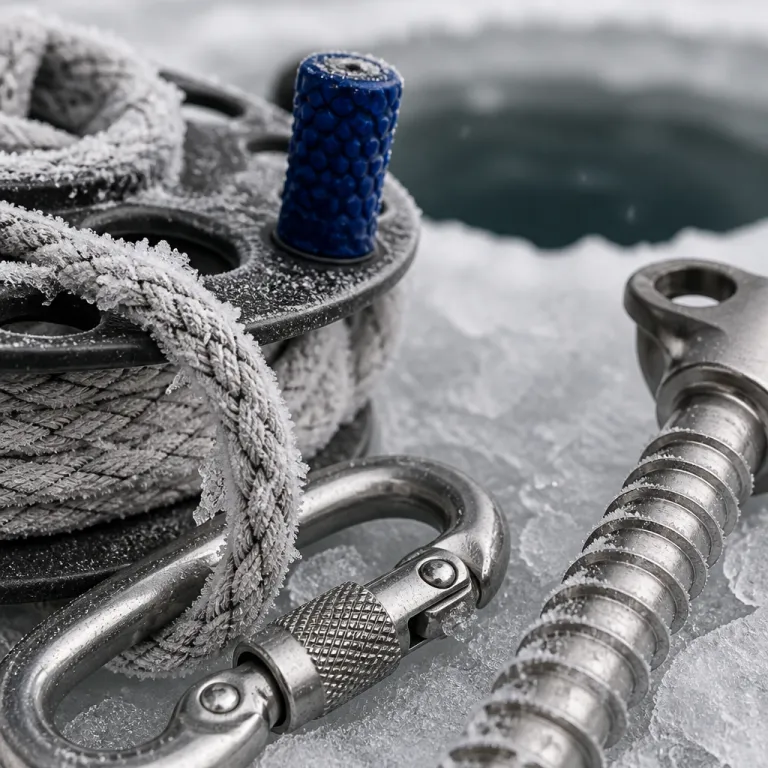
The core equipment for diving in polar regions includes a well fitted dry suit, insulating undergarments, dry gloves, a hood, and regulators rated for cold water use. Redundant systems are standard, with two regulators, backup masks, and often a separate cutting tool to manage potential entanglement under ice. Surface support is equally important, and safety personnel monitor every dive from topside, maintaining communication and managing safety ropes for ice entry points.
Average water temperature in many Arctic dive sites is around 30 °F, according to Smithsonian Ocean data, which dramatically increases the risk of cold stress and regulator free flow. To mitigate this, the expedition team limits bottom times, enforces strict pre dive checks, and ensures that hot drinks and warm shelter are immediately available after each dive. Divers must be honest about their comfort levels, because cold water can impair judgment quickly, especially during repetitive dives over several days.
Ice diving introduces additional hazards, since divers may have only one controlled exit point through the ice ceiling. Standard procedures include tethered diving with safety ropes, a dedicated line tender, and clear hand signal protocols between diver and surface. In some polar expeditions, scientific diving methods are adapted for recreational use, emphasizing meticulous planning, clear roles, and conservative gas management.
Responsible operators also address non underwater risks such as excess baggage handling, gear drying space, and emergency medical support on board. Before committing to any expedition cruise that advertises diving arctic or diving polar experiences, request written safety procedures and ask how the expedition team trains for ice emergencies. Discussions within the expedition cruise industry about capacity and environmental limits underline why choosing operators with strong safety cultures and clear contingency plans matters more than ever.
Life on board a polar expedition cruise for divers and non divers
Daily life on a polar expedition cruise that offers arctic diving is structured yet surprisingly relaxed between operations. Mornings often begin with a briefing from the expedition team, outlining the day’s planned dives, shore excursions, and wildlife opportunities. Divers then move to the gear area, where dry suits, dry gloves, and regulators are checked before boarding zodiacs for the first water diving session.
Non divers on the same voyage usually join alternative activities such as zodiac cruising, guided hikes, or whale watching from the decks and small boats. This mixed program allows couples or friends with different interests to share the same polar expedition without compromise. On some days, divers may complete two or three short dives, while non divers enjoy extended time ashore or participate in educational lectures about polar regions, marine biology, or scientific diving projects.
Between dives, the ship functions as a warm, mobile base camp, with hot drinks, hearty meals, and drying rooms for cold water gear. Expedition staff often include marine biologists, historians, and experienced dive guides who are available to discuss underwater photography techniques or explain the behavior of seals and whales seen during the day. This informal access to expertise deepens the experience, turning each dive into part of a broader learning journey about the Arctic and Antarctic.
Service standards on reputable expedition cruise vessels are tailored to the realities of diving polar environments. Crew assist with heavy equipment, manage safe loading of zodiacs, and coordinate timing so that divers are not waiting in the wind in full gear longer than necessary. Clear communication about daily details, such as gear storage, camera rinsing, and timing for briefings, helps both divers and non divers feel confident about the rhythm of the voyage.
Evenings often bring recap sessions, where the expedition team reviews sightings, shares underwater photography from the day’s dives, and outlines plans for the next region or ice edge. These gatherings foster a sense of community among divers and non divers, who compare impressions from beneath the water and from shore excursions. Over the course of the voyage, many guests find that the combination of structured diving and flexible exploration creates a balanced, deeply engaging polar travel experience.
Wildlife, light, and photography: capturing the essence of diving in polar regions
One of the strongest draws of arctic diving and Antarctic scuba diving is the chance to experience wildlife and light in ways that are impossible from the surface. Under the ice, shafts of sunlight filter through snow and melt pools, creating luminous blue corridors that frame each dive. For divers interested in underwater photography, these conditions offer both challenges and extraordinary creative possibilities.
Marine life in polar regions is adapted to cold water, and many species are small but visually striking, such as soft corals, anemones, and translucent jellyfish. In some Arctic locations, divers may encounter seals that approach closely, using the ice edge as a vantage point to observe human visitors. While large animals such as whales are more commonly seen during whale watching from the ship or zodiacs, occasional underwater encounters can occur during open water diving near ice margins.
Light conditions change dramatically over the course of a polar expedition, especially in the Arctic where the sun may barely set during peak season. Photographers must adjust white balance, strobe positioning, and exposure to handle the intense contrast between bright ice and dark water. Many expedition teams include staff with underwater photography experience who can advise divers on camera settings, housing care in cold water, and best practices for shooting beneath ice ceilings.
On Antarctic and South Georgia itineraries, the focus for many photographers shifts between underwater scenes and topside wildlife such as penguins, albatrosses, and seals. Divers often split their time between dives and shore excursions, planning each day around the most promising light and wildlife opportunities. This balance ensures that the voyage delivers a rich portfolio of images, from ice diving shots to sweeping landscapes and close ups of marine life.
To prepare for the visual intensity of diving arctic environments, consider practicing with your camera in local cold water before the trip. Familiarity with controls while wearing dry gloves and a thick dry suit will reduce task loading once you are under the ice. Many travelers also coordinate with the expedition team in advance to understand what charging facilities, rinse tanks, and storage options will be provided for sensitive photographic equipment.
Arctic versus Antarctic diving: choosing the right polar experience for you
Choosing between arctic diving and Antarctic scuba diving depends on your priorities, experience level, and appetite for long sea crossings. Arctic itineraries often involve shorter flights and sailing distances, with dive sites near Svalbard, Greenland, or northern Norway accessible within a few days of departure. These voyages may offer a mix of ice diving, open water diving, and shore excursions that highlight both marine and terrestrial Arctic ecosystems.
Antarctic diving usually requires crossing the Drake Passage, a stretch of water that can be rough but also rich in wildlife sightings such as albatrosses and whales. Once at the Antarctic Peninsula, divers may experience dramatic icebergs, steep walls, and abundant marine life, while non divers enjoy landings among penguin colonies and historic sites. Some itineraries extend to South Georgia, where diving may be limited but the overall polar expedition remains one of the most wildlife rich voyages on earth.
Water temperatures in both regions are similarly cold, so the same dry suit, dry gloves, and cold water rated regulators are essential. The main differences lie in landscape, wildlife density, and cultural context, with the Arctic offering Indigenous histories and settlements, while the Antarctic and sub antarctic islands remain uninhabited except for research stations. When comparing options, ask operators for clear details about how many dives will be offered, what alternative activities will be provided for non divers, and how flexible the itinerary is in response to ice conditions.
Some travelers choose to begin with arctic diving, where logistics can be slightly simpler, then progress to Antarctic diving once they are confident in their polar diving skills. Others prioritize a specific goal, such as combining diving with northern lights viewing before or after the voyage in the Arctic. For guidance on where to plan such aurora focused extensions, consult resources that outline the best places to see the aurora borealis and align them with your chosen embarkation ports.
Whichever region you select, remember that diving polar environments is physically demanding and requires realistic self assessment. Discuss your experience openly with dive operators, including your history with dry suits, cold water, and previous expedition travel. A carefully chosen voyage, matched to your skills and interests, will turn arctic diving or Antarctic diving from a distant dream into a safe, transformative reality.
Practical tips for preparing, packing, and managing logistics for arctic diving
Preparation for arctic diving or Antarctic scuba diving begins months before departure, with training and fitness as the foundation. Aim to complete several recent cold water dives in a dry suit, practicing buoyancy, valve drills, and emergency procedures until they feel automatic. Building cardiovascular fitness and strength will also help you handle heavy gear, zodiacs, and the general demands of life on an expedition cruise.
Packing for a polar expedition requires careful balance between essential equipment and airline limits on excess baggage. Divers typically bring personal dry suits, undergarments, dry gloves, masks, computers, and sometimes regulators, while relying on operators to supply cylinders and weights. To avoid surprises, request a detailed equipment list from the service provider, including what will be provided on board and what must be rented or brought from home.
Layering is crucial for comfort during cold water operations, both under the dry suit and on deck between dives. Many divers use moisture wicking base layers, thick insulating mid layers, and windproof outer layers for time spent in zodiacs or on shore excursions. Hands and feet are particularly vulnerable, so invest in high quality dry gloves, warm socks, and deck boots that remain comfortable when wet or icy.
Travel logistics for polar regions can be complex, often involving multiple flights, overnight stays, and transfers to remote ports. Build buffer days into your itinerary to protect against delays, especially when connecting to an expedition cruise that cannot wait for late arrivals. Keep critical diving items such as computers, prescription masks, and essential undergarments in carry on luggage, so that a delayed checked bag does not end your diving plans before the voyage begins.
For quick reference while packing, many divers find it useful to create a simple checklist that covers exposure protection, life support equipment, personal items, and documentation such as certification cards and medical forms. Reviewing this list with your operator before departure helps confirm that nothing essential has been overlooked and that rental gear will match your needs.
Key figures and data about arctic and Antarctic diving
- Average water temperature for many Arctic dive sites is around 30 °F (about −1 °C), according to Smithsonian Ocean data, which classifies these as extreme cold water environments requiring specialized gear and procedures.
- The primary operational season for organized Arctic diving typically runs from May to October, aligning with reduced sea ice, longer daylight hours, and safer access to remote polar regions.
- Dry suits and thermal undergarments are standard for all polar diving operations, with most operators requiring proof of recent dry suit dives to ensure divers can manage buoyancy and emergency skills in heavy insulation.
- Growing interest in extreme diving experiences has driven continuous improvements in cold water diving equipment, including regulators designed to reduce free flow risk in near freezing conditions.
- Structured expedition timelines usually follow four phases: preparation and training, travel to the dive site, active diving days with closely monitored safety protocols, and post dive procedures focused on recovery and debriefing.
FAQ about arctic diving and Antarctic scuba diving
What is arctic diving and how does it differ from regular scuba diving?
Arctic diving is scuba diving conducted under or near sea ice in high latitude polar regions, typically in water around −1 °C. It differs from regular scuba diving through the use of dry suits, dry gloves, cold water rated regulators, and strict safety protocols for ice overhead environments. Divers must be trained for cold water and often use safety ropes and surface support teams during ice diving operations.
What equipment is needed for safe polar diving?
Safe polar diving requires a dry suit with appropriate thermal undergarments, a hood, dry gloves, and regulators specifically designed for cold water use. Redundant systems such as two regulators, backup masks, and cutting tools are standard, especially for ice diving where exits may be limited. Operators also provide safety ropes, surface support, and heated spaces on board for post dive recovery.
When is the best time of year for arctic diving?
The best time for arctic diving is generally from May to October, when sea ice conditions and daylight hours are more favorable for expedition operations. During this period, ships can access a wider range of dive sites, and weather windows are typically more stable. Specific timing within this season depends on the chosen region, such as Svalbard, Greenland, or northern Norway.
Do I need special training before joining an Antarctic or Arctic diving expedition?
Most operators require at least advanced open water certification, recent cold water experience, and proven dry suit skills before accepting divers on polar expeditions. Some also request or recommend specialized training in ice diving or polar diving techniques to ensure that guests can manage overhead environments safely. Completing several practice dives in local cold water before the voyage significantly improves comfort and safety.
Can non divers enjoy a polar expedition cruise that offers diving?
Non divers can fully enjoy polar expedition cruises that include diving, because ships typically offer parallel programs of shore excursions, zodiac cruising, and wildlife watching. While divers conduct water sessions, non divers may visit penguin colonies, hike on tundra, or participate in lectures about polar regions and marine life. This structure allows mixed groups of divers and non divers to share the same voyage while pursuing different daily activities.
