Why black carbon in polar waters now shapes every serious itinerary
On a clear day in the high Arctic, the ice looks immaculate. Then you lean over the zodiac tube and notice a faint grey film on the floes, a reminder that black carbon from ships has a way of finding even the quietest polar bay. For an executive traveler weighing an expedition cruise, that soot is no longer an abstract environmental concern but a direct indicator of which operators understand the new rules of polar shipping.
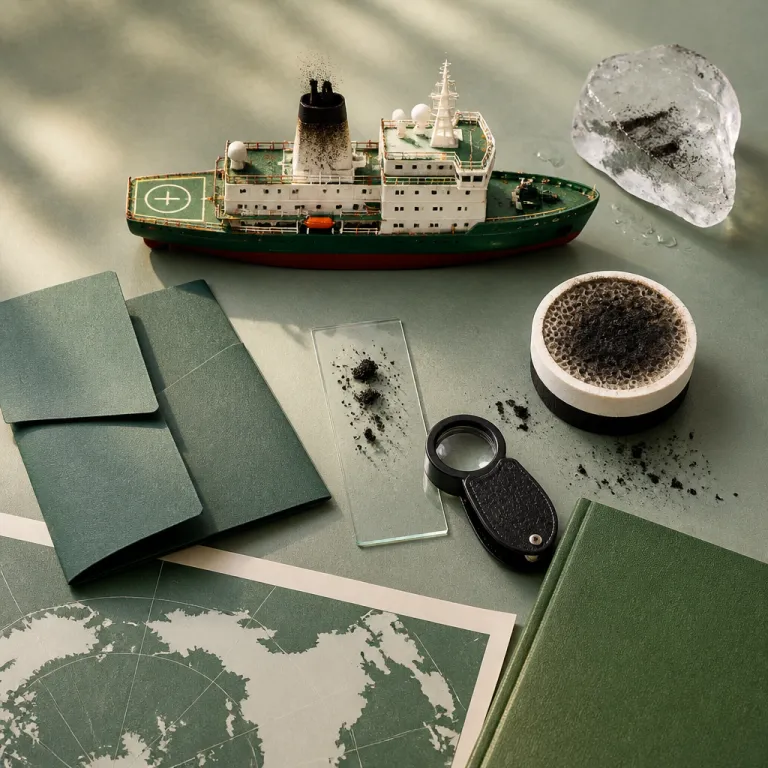
Black carbon is a short-lived climate pollutant from incomplete combustion. “What is black carbon?” and “Why is black carbon harmful in the Arctic?” and “How can shipping reduce black carbon emissions?” are not academic questions anymore ; they are now the lens through which serious travelers should read every brochure, every deck plan, every fuel specification. In polar waters, those tiny black particles settle on snow and sea ice, darkening the surface and accelerating melt in a region where reflective ice is the planet’s natural air conditioning system.
Regulators have finally caught up with what glaciologists and marine scientists have been warning about for years. The International Maritime Organization (IMO), headquartered on the Thames in London, has moved from discussion to action on polar shipping, with a regulatory pathway that now targets black carbon emissions from ships operating in Arctic shipping corridors and in the more remote southern ocean. For travelers, the era when you could treat an expedition cruise as a neutral act is over ; every booking is now a decision about which ship technologies, fuel oil choices and pollution prevention standards you are willing to underwrite.
Black carbon’s warming impact over 20 years has been estimated at up to 3 000 times that of CO₂, which makes soot from marine engines a critical lever in climate sensitive regions. When those emissions come from cruise ships threading narrow sea routes through seasonal sea ice, the effect is magnified by the proximity of the pollution source to vulnerable ice surfaces. This is why the conversation has shifted from generic environmental protection to very specific questions about fuel oil blends, particulate filters and how individual ships operating in polar waters will comply with the evolving Polar Code framework.
For the business leisure traveler used to aviation carbon offsets and corporate ESG reports, the new reality is bracing. The IMO polar shipping black carbon regulations expedition cruise debate is no longer about whether shipping is good or bad, but about which ships, which routes and which operators align with credible environmental protection standards. If you are flying north for a board meeting in Oslo and adding a week in Svalbard, or routing via Santiago to step onto a southern ocean vessel in Punta Arenas, your choice of cruise ship now has a measurable impact on carbon emissions and on the pace at which Arctic and Antarctic ice retreats.
The new IMO rules: how black carbon regulations will filter the fleet
The International Maritime Organization has spent more than a decade inching toward enforceable limits on black carbon from polar shipping. Early debates circled around voluntary guidelines, but the political mood has shifted as Arctic shipping seasons lengthen and more cruise ships and fishing vessels push into newly open polar waters. The result is a package of measures that will make the IMO polar shipping black carbon regulations expedition cruise framework one of the most consequential filters on which ships survive the next regulatory cycle.
At the core sits the Polar Code, the international safety and environmental rulebook that already governs ships operating in ice covered waters from the Arctic to the southern ocean. Until now, the Polar Code has focused heavily on safety, hull strength and operational prevention of oil spills, but new annexes are being prepared to address black carbon emissions more directly. Expect mandatory shifts away from heavy fuel oil, tighter limits on particulate emissions and a de facto hfo ban for ships operating polar itineraries that pass close to sea ice and sensitive marine ecosystems.
For travelers, the timeline matters less than the direction of travel. The IMO’s marine environment protection bodies have already signaled that cleaner marine fuels and emission control technologies will be required for cruise ships and cargo vessels on key Arctic shipping routes, not just encouraged. That means any cruise ship still burning conventional fuel oil in polar waters will face rising compliance costs, restricted sea routes and, eventually, the risk of being locked out of certain ports and protected areas.
There is also a governance layer that rarely makes it into glossy brochures. The Arctic Council, which brings together polar states and Indigenous representatives, has been pushing for stronger pollution prevention measures on black carbon and carbon emissions from ships for years, and its recommendations now feed directly into IMO working groups. When you read that an operator is “aligned with the Polar Code” or “committed to Arctic Council guidelines”, ask how that translates into specific emissions reductions on the ship you are booking.
Capacity pressure adds another complication. As more international operators chase the same short Antarctic season, the number of ships in narrow channels around the Antarctic Peninsula has raised hard questions about cumulative pollution and safety. If you want to understand how this plays out on the water, read this analysis of what happens when dozens of ships chase the same peninsula and then look again at the IMO polar shipping black carbon regulations expedition cruise proposals. The direction is clear ; regulators will use emissions, not just passenger caps, to decide which ships can keep operating polar itineraries.
Hybrid hulls, LNG and the real cost of cleaner expedition cruising
Not all ships are starting from the same baseline as the IMO tightens the screws on black carbon. A small cadre of purpose built polar vessels, such as Le Commandant Charcot and Magellan Discoverer, already run hybrid electric propulsion and advanced marine emissions controls that dramatically cut soot output in polar waters. These ships were designed for a world where the IMO polar shipping black carbon regulations expedition cruise framework was inevitable, not optional.
Hybrid systems allow these cruise ships to operate on battery power in ice covered fjords, reducing both noise and pollution when it matters most for wildlife and for fragile sea ice. Liquefied natural gas (LNG) and low sulfur fuel oil blends further reduce carbon emissions and black carbon, especially when paired with particulate filters and shore power connections in ports. The result is a new generation of cruise ship that treats environmental protection as core engineering, not a marketing add on.
There is, however, no escaping the economics. Cleaner fuels cost more, hybrid propulsion systems are capital intensive and the crew required to operate polar class ships with advanced safety and pollution prevention systems is highly specialized. Expect fares on these vessels to sit noticeably above older tonnage that still burns conventional fuel oil on long shipping routes to the Arctic and southern ocean, especially on itineraries that include remote sea routes with limited bunkering options.
For a business leisure traveler used to premium cabins and flexible air tickets, the price delta can feel familiar. The question is whether you treat that higher fare as a luxury markup or as the true cost of operating polar capable ships that meet the next generation of IMO code requirements. When you see a surprisingly low rate on an expedition cruise, ask yourself which corners have been cut on fuel, emissions controls and long term compliance with the hfo ban that is already reshaping Arctic shipping.
There is also the matter of scale. Smaller ships operating with fewer passengers can more easily align with strict Polar Code and Arctic Council expectations on both safety and environmental performance, but they have less room to amortize the cost of hybrid systems and advanced emissions controls. Before you commit, read this essay on honest thinking about so called last chance polar travel and then decide whether your budget supports a ship that is genuinely operating polar itineraries with minimized black carbon, or one that is simply racing the regulations.
How to audit an operator’s environmental claims before you book
Marketing language has always moved faster than regulation in the cruise industry. As the IMO polar shipping black carbon regulations expedition cruise framework hardens, expect a surge of “green”, “low impact” and “climate smart” labels on polar itineraries, many of them only loosely connected to the underlying ship and its emissions profile. Your task, as a traveler who reads the fine print, is to separate genuine environmental protection from polished greenwashing.
Start with the basics. Ask which fuel oil the ship uses in polar waters, whether it can switch to cleaner distillates or LNG in ice sensitive zones and whether particulate filters or other emission control technologies are installed. Any operator serious about pollution prevention should be able to provide specific data on carbon emissions per passenger day, not just generic statements about caring for the marine environment.
Then look at governance. Does the company reference compliance with the Polar Code in concrete terms, such as ice class, crew training and emergency safety systems, or only in vague language about “meeting international standards” ? Does it engage with Arctic Council recommendations on black carbon and Arctic shipping, or cite independent assessments from organizations that you can actually verify through a quick search on platforms such as Google Scholar ? The more precise the references, the more likely the operator is genuinely aligned with the evolving IMO code.
Offsets deserve particular scrutiny. The aviation sector has taught us that not all carbon offsets are created equal, and the same applies to cruise ships that promise “carbon neutral” voyages while still burning conventional fuel on long sea routes to the Antarctic Peninsula or across the southern ocean. If an operator leans heavily on offsets but cannot explain how it is reducing black carbon at the stack through cleaner fuels, route optimization and slower steaming, you are looking at a marketing strategy, not a pollution prevention plan.
Finally, listen to what happens off the ship. Guides who talk candidly about sea ice loss, changing wildlife patterns and the realities of Arctic shipping are usually working for companies that respect their intelligence and that of their guests. If you want a sense of what responsible operating polar itineraries feel like on the water, read this field report on what a night of polar camping on Antarctic ice actually sounds like and notice how the ship, the ice and the silence share equal billing. That balance is what the best operators are trying to protect as the IMO tightens its grip on black carbon from ships.
Key figures shaping the future of polar ship emissions
- Black carbon’s warming impact over a 20 year period has been estimated at up to 3 000 times that of CO₂, which explains why soot from ships in polar waters is treated as a priority climate risk by regulators (Maritime Executive, reported by environmental analysts).
- The International Maritime Organization has been formally debating Arctic black carbon since the early part of the last decade, moving from initial discussions to a defined regulatory pathway that now includes adoption of binding measures on polar shipping emissions through its Marine Environment Protection Committee.
- Hybrid electric polar vessels such as Le Commandant Charcot and Magellan Discoverer can operate for extended periods on battery power in ice covered fjords, cutting local particulate emissions to near zero during the most sensitive wildlife encounters and landings.
- Only a small fraction of the global cruise fleet is currently equipped with LNG propulsion or advanced particulate filters, which means many existing ships will require expensive retrofits or face early retirement as IMO black carbon and fuel oil restrictions tighten in Arctic and Antarctic waters.
- Canada and Norway remain among the few nations whose national tourism strategies explicitly reference polar carbon risks and the need to align Arctic shipping and expedition cruise growth with stringent environmental protection and pollution prevention standards.