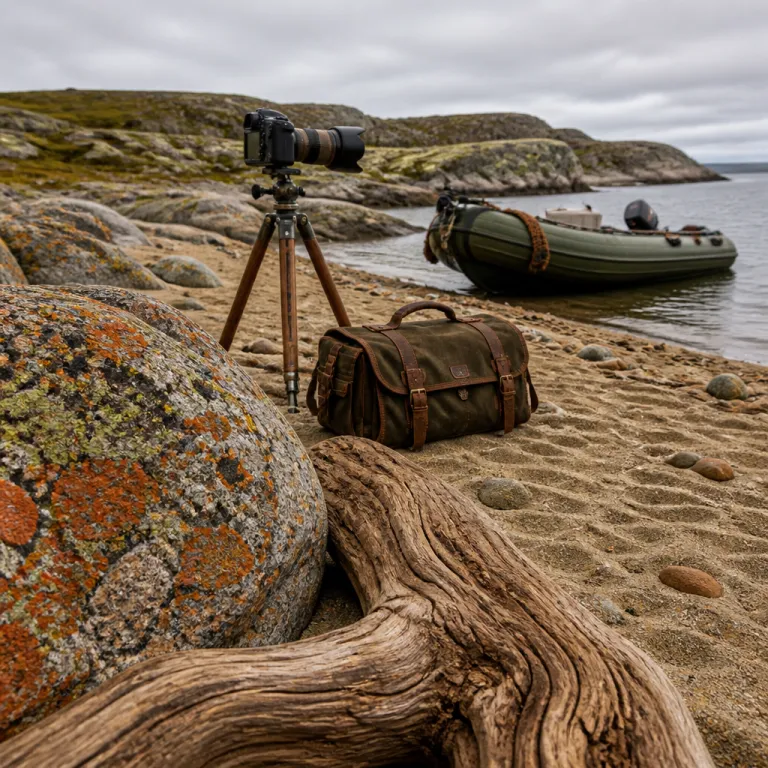
What a polar photography expedition cruise workshop adds to Antarctica and the Arctic
A polar photography expedition cruise workshop in Antarctica and the Arctic is built around light, not buffet times. On these expeditions the daily plan bends toward the sun angle, the wind on the ocean, and the exact hour when wildlife is most relaxed on the ice. For a couple who travels with a camera, that shift in priorities will change every photo and every memory.
On a regular cruise the ship schedule rules, so landings are often short and fixed. A dedicated expedition ship on a photography voyage stretches those landings into long sessions, sometimes three hours or more on the Antarctic Peninsula or in Arctic fjords. That extra time creates rare photography opportunities when other guests have already returned to the cruise vessel and the penguin colony finally forgets you are there.
Specialist operators now design entire expeditions as premium Antarctica photography journeys. Aurora Expeditions, for example, runs Antarctica Through the Lens voyages where photography workshops are the core product, not an optional lecture. These expeditions in the polar regions typically last between 10 and 14 days, matching the classic Antarctica pattern of one embarkation day, a series of ocean crossings and landings, then a final disembarkation.1
Onboard, the photography workshop programme is led by a Photographer, supported by an Expedition Leader and a Naturalist who understand how photographers move and think. The official description is clear and worth repeating in full: “What is a polar photography expedition? A specialized voyage focusing on photography in polar regions. How does it differ from a regular cruise? Offers specialized photography activities and access to remote locations. What equipment should I bring? DSLR camera, telephoto lens, tripod, and weatherproof gear.” Those three sentences capture why couples who care about image making should select voyages with a clear photographic brief.
Ships such as Ocean Albatros and Ocean Victory are typical of the new generation of premium expedition ship hardware. They carry around 100 to 200 people, but photography-focused voyages usually split guests into smaller basecamp style landing groups. That means each person spends more days with their preferred guide, more minutes in the zodiac, and more chances to frame the stunning landscapes without a line of red parkas in every photo.
For couples, the difference between regular cruises and dedicated expeditions is also emotional. A polar photo expedition in Antarctica and the Arctic gives both partners a shared project, whether one handles the main camera while the other scouts angles or both learn new skill levels together. The result is a portfolio that feels authored, not accidental, and a journey that feels like an expedition rather than a scenic transfer between meals.
Schedules, landings, and zodiac time on a photo first itinerary
The daily rhythm on a polar photography expedition is engineered for images, not entertainment. Instead of two short landings squeezed between long ocean transits, you might have one extended shore session on the Antarctic Peninsula timed for low sun and calm katabatic winds. That single decision can turn a flat snapshot into Antarctica photography with depth, texture, and long shadows across the snow.
Photo-focused expeditions also rethink zodiac logistics. Smaller groups rotate more quickly from ship to shore, so photographers spend less time waiting in corridors and more time working with their camera on the beach or in the ice floes. When conditions for photography are marginal, the Expedition Leader can hold the group on standby and then launch zodiacs the moment the light breaks, a flexibility regular cruise timetables rarely allow.
On classic Antarctica routes, expect around 20 landings over 10 to 14 days, but photo voyages often turn some of those into split sessions.2 You might land on one side of a bay for early light on a glacier, then reposition the expedition ship to the opposite shore for backlit wildlife in the late afternoon. That kind of choreography across the Peninsula or around the Antarctic Circle is only realistic when most guests on board share the same photographic priorities.
Voyages that include South Georgia or the Falklands–South Atlantic region add even more photography opportunities. Here, the focus shifts from ice to wildlife density, with king penguin colonies that stretch for kilometres and beaches where Antarctica whale blows punctuate the horizon. A regular cruise will often keep these landings short, but a polar photography expedition cruise workshop in Antarctica and the Arctic will hold the schedule open so you can work each scene as the light and the tide change.
Cabin choice also matters more on a photo voyage, because access to deck space at odd hours becomes part of your workflow. Before you book, study how to choose a cabin on a polar expedition ship beyond the deck plan marketing, using resources such as this detailed guide to cabins on polar expedition ships. A cabin near an open deck can mean the difference between catching a breaching Antarctica whale at sunrise and fumbling with layers while the moment passes.
For couples, these schedule tweaks translate into shared rituals. One person might handle the early morning deck watch while the other sleeps, then swap roles for the blue hour return to the Weddell Sea or a glassy Arctic fjord. Over several days, that rhythm turns the ship itself into a moving basecamp for your joint creative project, rather than just a floating hotel between shore excursions.
The guide factor: mentors, not just lecturers, in the polar regions
The human element is where a polar photography expedition cruise workshop in Antarctica and the Arctic most clearly separates itself from a standard cruise. On a regular voyage you might hear a lecture on wildlife or glaciology, then be left to interpret the scene alone when you land. On a dedicated photo expedition, the Expedition Leader, Naturalist, and Photographer work as a single équipe to shape both your route and your images.
Professional photography workshops at sea are not about classroom theory alone. In the zodiac, a Photographer will talk aperture, shutter speed, and composition while you bounce through brash ice toward a leopard seal hauled out on a floe. On shore, that same instructor might quietly reposition you three metres to the left so the Antarctic backdrop aligns with a penguin highway and your photo suddenly feels intentional.
Different operators structure their expeditions in different ways, and couples should read the fine print. Some voyages offer full-scale photo workshop programmes with daily critiques, one-to-one sessions, and targeted field exercises for all skill levels. Others simply add a photographer to the lecture roster, which can still be valuable but will not transform the entire expedition ship into a floating photography school.
Underwater specialists such as Scott Portelli go further, running expeditions where diving and snorkelling in Antarctic waters are central. These trips demand serious comfort in cold water and a robust camera housing, but the reward is a completely different angle on Antarctica whale behaviour, ice formations, and the play of light beneath the surface. For couples where one person dives and the other prefers the deck, this split can work beautifully, with one partner focusing on underwater photography while the other tracks wildlife topside.
Good mentors also manage expectations around challenging conditions. They will explain why a flat grey day on the Antarctic Peninsula is perfect for subtle portraits of wildlife, while a hard blue sky might be better for graphic ice studies from the ship. When the team decides to cancel a landing because katabatic winds are building over the Weddell Sea, you understand the safety logic and can pivot to a structured indoor session on editing or backup workflows.
Some of the most memorable guidance happens in unscripted moments. A Naturalist might point out how a skua circles a penguin colony, giving you a few seconds warning to frame the interaction, while the Expedition Leader quietly extends the landing by 20 minutes because the light has turned golden. For couples, those shared micro lessons accumulate over days into a common visual language, one that will shape how you both see every ocean and every wild coast long after the voyage ends.
Equipment, packing, and the realities of shooting from an expedition ship
Gear choices on a polar photography expedition cruise workshop in Antarctica and the Arctic are less about brand loyalty and more about reliability. The baseline kit for most people is a DSLR or mirrorless camera body, a wide angle lens for stunning landscapes, and a telephoto lens in the 100 to 400 millimetre range for wildlife. Tripods are useful on deck and on firm snow, but in zodiacs and on loose pebble beaches they can be more trouble than they are worth.
Cold affects batteries, autofocus performance, and even your willingness to remove gloves, so redundancy matters. Bring more batteries than you think you need, carry them inside your jacket between zodiac runs, and consider a second camera body so you are not changing lenses in blowing snow on the Antarctic Peninsula. Weather sealing is valuable, but simple waterproof bags and dry sacks can protect both camera and lenses when a sudden squall hits the ocean or a curious Antarctica whale surfaces close to the bow.
Drone policies in Antarctica and the wider polar regions are strict and getting tighter. Most serious expeditions either ban private drones outright or restrict them to scientific projects with prior permits, because of wildlife disturbance and privacy concerns. If aerial images matter to you, select voyages where the expedition ship occasionally deploys its own drone for documentation, then focus your personal efforts on low impact, close range photography opportunities from zodiacs and shore.
Weight and volume limits also shape your packing strategy. Many flights to gateway cities and charter hops to the Antarctic Circle or Arctic archipelagos enforce strict baggage allowances, sometimes as low as 20 kilograms per person.3 That reality pushes you to prioritise one or two main lenses, a robust camera body, and a compact backup rather than an entire cupboard of glass that will rarely leave the cabin.
Financial planning is part of the equipment conversation, because a polar photography expedition is a premium investment. Expect to pay several thousand USD per person for classic Antarctica itineraries, with longer expeditions that include South Georgia or the Falklands–South often costing significantly more.4 When you weigh that against the cost of another lens, it can be wiser to rent specialised gear at home and channel your budget into the voyage itself, where the real photography workshops and field time happen.
Couples should coordinate their kits to avoid duplication and maximise flexibility. One partner might carry the long lens and focus on wildlife, while the other handles a wide angle and mid range zoom for context and portraits, sharing a tripod and filters between them. Over multiple days at sea and on shore, that division of labour turns your shared basecamp cabin into a small but efficient studio, ready for whatever the ocean and the ice present.
Light, landscapes, and why polar photography feels different
The polar light is the quiet star of any polar photography expedition cruise workshop in Antarctica and the Arctic. At these latitudes the sun skims the horizon for hours, stretching golden hour into a long, soft arc that flatters ice, ocean, and wildlife alike. For photographers used to the harsh midday sun of lower latitudes, this extended twilight feels almost unfair.
From November to March in Antarctica you can have 20 or more hours of usable light, especially around the Antarctic Circle and the northern reaches of the Antarctic Peninsula.5 That does not mean you will shoot for 20 hours straight, but it does mean the Expedition Leader can schedule landings and zodiac cruises at times that would be impossible on a regular cruise. A morning that begins with flat grey over the Weddell Sea can end with a late evening blaze of colour over tabular icebergs, and a dedicated expedition will hold space in the programme for both.
Ice itself behaves like a giant reflector, bouncing light into shadows and creating subtle gradients of blue and turquoise. On a premium expedition ship such as Ocean Albatros or Ocean Victory, you can work these effects from multiple decks, using railings as impromptu tripods while the vessel threads through pack ice. The result is a series of photo studies where the same iceberg looks entirely different from one side of the ship to the other.
Wildlife in Antarctica and the Arctic has little instinctive fear of humans, which changes the entire equation of composition and ethics. On a polar photography expedition cruise workshop in Antarctica and the Arctic, you will often sit quietly at the edge of a penguin highway or seal haul out while the animals pass within a few metres, entirely focused on their own routines. That proximity, managed carefully by guides to respect distance rules, allows for intimate portraits at moderate focal lengths rather than extreme telephoto shots from a crowded cruise deck.
For couples, the light becomes a shared obsession. One person might wake the other at 03.00 because the sky over the ocean has turned a soft pink, and within minutes you are both on deck in parkas, working side by side as the expedition ship glides past a line of glowing bergs. Those small, sleep deprived decisions accumulate into a body of Antarctica photography that feels deeply personal, anchored in specific hours and specific hues.
Between voyages, you can refine your eye by studying other polar work and planning future routes. Resources such as this analysis of refined Korean and Alaska tour websites for aurora, wildlife, and wilderness journeys on Arctic-Antarctic-Travel.com show how different operators frame light and landscape in their marketing. When you return to the ice, you will carry not just better gear but a clearer sense of how you want your own images to feel.
Underwater, basecamp life, and how couples actually travel on these voyages
Below the surface, a different polar world waits for those willing to enter the water. Specialist expeditions with underwater photography workshops, such as those led by Scott Portelli in Antarctic waters, turn the ocean itself into a studio of light beams, ice arches, and curious seals. These expeditions demand serious preparation, but for the right person the reward is a portfolio that almost no regular cruise passenger will ever match.
On these trips, the expedition ship functions as a true basecamp rather than a simple transport vessel. Divers and snorkellers gear up in dedicated mudrooms, step into zodiacs, and drop into carefully selected sites where currents, visibility, and wildlife behaviour align. While one partner explores beneath the surface, the other might stay topside with a camera, tracking Antarctica whale blows or working on long lens studies of birds arcing over the wake.
Back on board, couples reconvene in cabins that feel more like compact studios than hotel rooms. Laptops, hard drives, and cameras share space with parkas and boots, and evenings often revolve around editing sessions rather than shows in a lounge. On some expeditions, informal peer reviews emerge, with guests trading tips on polar conditions, lens choices, and post processing approaches tailored to the unique contrast of snow and ocean.
Life at this kind of basecamp also includes the small rituals that define polar travel. You might take part in a carefully managed polar plunge, following strict protocols similar to those outlined in guides to the polar plunge with children, such as this detailed article on safety and timing. Even if you do not bring children, understanding those safety frameworks gives you confidence when stepping into near freezing water for a few unforgettable seconds.
For couples, the key is negotiating how each day will unfold. Some pairs decide that one person will focus intensely on the photo workshop while the other treats the voyage as a more relaxed classic Antarctica experience, joining only selected sessions. Others split by subject, with one partner specialising in wildlife and the other in landscapes, then combining their work into a shared narrative once they return home.
Over the course of several days, that division of roles becomes part of the pleasure. You learn each other’s visual instincts, anticipate when your partner will linger over a particular iceberg or colony, and adjust your own pace to match. In the end, a polar photography expedition cruise workshop in Antarctica and the Arctic is less about individual images and more about the way two people learn to see the same polar regions through slightly different lenses.
Choosing the right polar photography expedition for your budget and skill level
Selecting the right polar photography expedition cruise workshop in Antarctica and the Arctic begins with an honest assessment of your skill levels and expectations. If you are comfortable with manual settings and already own a capable camera, a more intensive workshop with daily critiques and field assignments will suit you. If you are newer to photography, look for expeditions that explicitly welcome beginners and balance structured teaching with time to simply absorb the experience.
Route is the next major decision. Classic Antarctica itineraries focus on the Antarctic Peninsula and sometimes the Antarctic Circle, offering a strong mix of ice, wildlife, and relatively sheltered waters over 10 to 12 days. Longer expeditions that add South Georgia and the Falklands–South Atlantic region extend the voyage to two or three weeks, with dramatically increased wildlife density and more varied photography opportunities, but also higher costs in USD and more time at sea.
Ship choice matters as much as route. Smaller expedition ship designs such as Ocean Albatros and Ocean Victory typically carry fewer guests, which translates into more flexible landing logistics and a higher ratio of guides to guests.6 When you compare select voyages, look beyond marketing terms like premium and focus on concrete details such as average group size per zodiac, number of landings per trip, and how many dedicated photography workshops are scheduled on sea days.
Budgeting for a couple requires a clear view of total costs rather than headline fares alone. In addition to the voyage price in USD per person, factor in flights, pre and post cruise hotels, insurance, and any rental gear you might need for your camera system. Some operators include extras such as parkas and photo lectures in the base fare, while others charge separately, so read the inclusions line by line before you commit.
Timing your trip within the Antarctic season will shape your images as much as any lens choice. Early season voyages emphasise pristine snow and dramatic ice, mid season brings peak penguin chick activity and more Antarctica whale encounters, and late season can offer softer light and more open ocean for zodiac cruising. Couples who plan to travel more than once might even choose different months on successive expeditions, building a long term portfolio that tracks how the polar regions change across the season.
Finally, trust your instincts when you speak with operators and guides. Ask specific questions about how the Expedition Leader balances safety with photographic ambition, how often landings are extended when the light is exceptional, and how the team supports different skill levels on the same voyage. When the answers feel precise, candid, and grounded in real experience, you are likely looking at a polar photography expedition cruise workshop in Antarctica and the Arctic that will respect both your time and your creative intent.
Key figures for polar photography expeditions
- Average expedition group size on polar photography voyages is around 100 people per ship, according to data from expedition cruise operators and new generation vessel specifications, which allows for smaller zodiac groups and more individual guidance than large mainstream cruises.6
- A typical classic Antarctica itinerary offers about 20 landings over 10 to 14 days, based on standard Antarctic Peninsula voyage outlines published by specialist operators, giving photographers repeated chances to refine compositions in similar environments.2
- Dedicated polar photography expeditions usually last between 10 and 14 days, aligning with charter flight schedules and weather windows while still providing enough time to reach the Antarctic Peninsula and key wildlife sites.1
- Specialist underwater photography expeditions in Antarctic waters often limit diving groups to fewer than 10 people per guide, a ratio designed to maximise safety and creative support in challenging conditions, as described in small group polar diving programme notes.7
- Voyages that include South Georgia and the Falklands–South Atlantic region can add 7 to 10 extra days to a classic Antarctica route, significantly increasing wildlife encounters but also raising total trip costs in USD and time at sea, according to published expedition cruise tariffs and sample itineraries.4
FAQ about polar photography expedition cruise workshops
What is a polar photography expedition and how is it different from a regular cruise ?
A polar photography expedition is a specialised voyage where the entire itinerary is designed around photography in the polar regions. Compared with a regular cruise, you get longer landings, smaller zodiac groups, and structured photography workshops led by professional instructors. The focus shifts from general sightseeing to creating a coherent body of work under expert guidance.
Do I need to be an advanced photographer to join these expeditions ?
No, most polar photography expedition cruise workshops in Antarctica and the Arctic welcome a range of skill levels. Beginners benefit from step by step instruction and field support, while advanced photographers gain access to remote locations and flexible schedules that suit more ambitious projects. The key is choosing a voyage that clearly states how it supports both new and experienced guests.
What camera equipment should I bring for Antarctica and the Arctic ?
A reliable DSLR or mirrorless camera, a wide angle lens, and a telephoto lens up to around 400 millimetres will cover most situations. Extra batteries, weather protection, and a simple but sturdy tripod are also important, especially for deck work and low light scenes. If you are unsure, many operators provide packing lists and some guests choose to rent specialised lenses at home rather than buying new gear.
Are drones allowed on polar photography expeditions ?
In most cases, private drones are not allowed on expeditions in Antarctica and are heavily restricted in many Arctic regions. Environmental regulations and wildlife protection rules, including guidelines from bodies such as IAATO and national authorities, make it difficult to obtain permits for recreational drone use. Photographers are encouraged to focus on handheld and tripod based work from zodiacs, shore landings, and ship decks instead.
How should couples divide their time on a photo focused voyage ?
Couples often find it helpful to discuss expectations before boarding the ship. Some pairs both commit fully to the photography workshops, while others decide that one partner will focus more on shooting and the other on simply enjoying the landscapes and wildlife. Clear communication about early starts, long landings, and editing time in the cabin helps ensure that both people feel the voyage matches their idea of a premium polar experience.
Sources and notes: (1) Typical lengths of photography programmes based on sample itineraries from specialist polar operators; (2) Standard landing counts drawn from classic Antarctic Peninsula voyage outlines; (3) Common baggage limits published by charter flight providers serving Antarctic gateways; (4) Price ranges compiled from publicly listed expedition cruise tariffs; (5) Daylight hours derived from Antarctic summer latitude data; (6) Capacity and group size figures from new generation expedition ship specifications and operator fact sheets; (7) Guide-to-diver ratios reported in small group polar diving programme descriptions and underwater workshop materials.
Quick-reference checklist for polar photo voyages
- Core camera kit: DSLR or mirrorless body, wide angle lens, 100–400 mm telephoto, spare body if possible.
- Essential accessories: Extra batteries, memory cards, dry bags, simple tripod, microfiber cloths, lens hood.
- Best months (Antarctica): November–December for fresh ice and snow; December–January for chicks; February–March for peak Antarctica whale activity.
- Cabin tips: Choose easy access to open decks, avoid heavy foot traffic zones if you value quiet editing time, and allow space for a shared charging and backup station.