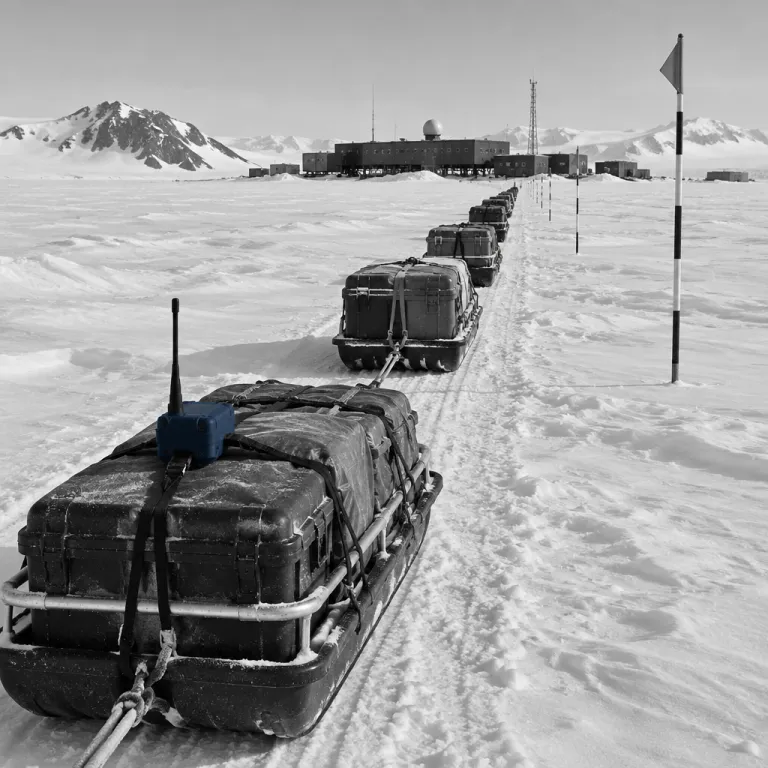
Bas tracking at the ends of the earth
Bas tracking in polar regions means following every movement with purpose. In the Arctic and Antarctic, this blend of BNB Attestation Service identity tools and physical location tracking underpins safe, compliant travel and research. When you join an expedition that visits a research station, you step into an ecosystem where bas, tracking, and verifiable data quietly protect both people and environment.
BNB Attestation Service, usually shortened to bas, issues cryptographic attestations that prove identity, credentials, and asset ownership without exposing unnecessary personal data. This same philosophy now informs how operators think about tracking vehicles, monitoring field operations, and validating who is allowed to enter sensitive locations such as fuel depots or clean science labs. For polar travellers, that means every snowmobile, over-snow vehicle convoy, and ski-equipped aircraft can be linked to a trusted digital profile that expedition leaders can read in real time.
When a polar operator designs a new logistics project, they increasingly treat each tracked asset as part of a wider Web3-enabled infrastructure. A bas tracking layer can connect the physical GPS tracker on a vehicle with an on-chain attestation that confirms its inspection status, insurance, and permitted operating area. In practice, this can reduce delays, simplify interactions with a national transit authority that oversees station airstrips, and give guides a clear menu of safe options when weather forces a sudden change of plan.
From snowmobiles to shuttle buses: tracking polar vehicles safely
Every polar journey depends on vehicles that must perform reliably in extreme cold. Bas tracking allows operators to monitor each vehicle’s location, maintenance status, and permitted routes while keeping sensitive information private through selective disclosure. When you ride a snowcoach to an Antarctic research station or board a shuttle bus at an Arctic wilderness lodge, you benefit from this invisible but rigorous control layer.
On the ground, a GPS tracker mounted on each vehicle feeds location data into a bas-aware system that expedition leaders can consult on a rugged mobile tablet. They can follow instructions from station managers, adjust field operations in real time, and coordinate with pilots or ship captains when katabatic winds or sea ice change the plan. For guests staying at an intimate High Arctic base such as the one described in this detailed overview of an Arctic wilderness lodge gateway, that means shorter waits, safer transfers, and clearer communication about timing.
Some operators now experiment with a bus-tracker-style interface that shows internal staff where every shuttle or overland vehicle is at a glance. Instead of a public city bus tracker, this closed system links each asset to a bas attestation that confirms the driver’s polar training and the vehicle’s latest inspection release. In harsh conditions where a wrong turn can mean whiteout exposure, this combination of precise tracking data and trusted identity is more than a digital convenience; it can be a life-saving safeguard.
Inside research stations: bas tracking for people, projects, and assets
Research stations in the Arctic and Antarctic function like small, highly regulated villages. Bas tracking helps station managers know who is on site, which projects they support, and where critical equipment and scientific asset inventories are located at any moment. For visiting travellers on guided station tours, this translates into smoother access procedures and a clearer understanding of how fragile these communities really are.
Each long-term project at a station can be linked to a project bas attestation that records its permits, environmental impact assessments, and safety protocols. When a visiting scientist or guide scans their badge at a lab door, the system checks both their identity attestation and the project’s permissions before granting access. This reduces paperwork, supports compliance with national transit authority regulations, and helps ensure that only qualified personnel handle sensitive instruments or biological samples.
Daily life at the South Pole or on a coastal Antarctic base generates a constant flow of information about energy use, waste, and field operations. A bas-enabled location tracking system can aggregate these data points, then present them in a simple menu that station leaders can read during planning meetings. Travellers curious about how such systems shape polar life can explore this in-depth look at what polar travellers learn from South Pole routines, where every tracked movement has a purpose.
Digital identity, bas attestations, and polar visitor protocols
Modern polar travel involves far more than booking a cabin on an expedition ship. Operators must verify your identity, check health and insurance documents, and confirm that you understand environmental rules before you ever set foot near a research station. Bas tracking, built on BNB Attestation Service, offers a way to handle this with both rigour and respect for privacy.
In the words of the official FAQ, “What does BAS stand for? BNB Attestation Service” and “What is the BAS token used for? Identity reputation, KYC, and proof verification in BNB ecosystem” and “How is user privacy preserved? Through selective disclosure and zero-knowledge techniques”. For polar travel, that means your vaccination records, safety briefings, and liability waivers can be stored as attestations that guides can verify without seeing more information than necessary. When you arrive at a station, a quick scan can confirm that you have completed mandatory briefings, while a separate attestation might track your participation in specific educational activities.
Some operators design their digital journey so that you can skip content that does not apply to your trip while still following all required steps. A clear online menu guides you to follow instructions for your specific itinerary, whether it includes a short station visit or multi-day field operations. Behind the scenes, bas tracking links each completed action to your profile, so station staff can see in real time who is cleared for which areas, without exposing private medical details to every member of the team.
Real time bas tracking in harsh polar field operations
Once you leave the relative safety of a station or ship, the stakes rise sharply. Field operations in the Arctic and Antarctic rely on real-time awareness of every team’s location, weather changes, and ice conditions. Bas tracking systems combine satellite location tracking, on-chain attestations, and rugged mobile interfaces to give leaders that awareness even when visibility drops to a few metres.
A typical field day might involve several small teams travelling by ski, snowmobile, or tracked vehicles to different locations for sampling or photography. Each team carries a mobile device that sends encrypted location data to a central tracker, where a coordinator can monitor their progress and compare it with forecast wind shifts. If a storm builds faster than expected, the coordinator can take immediate action, recalling some teams while rerouting others to a safer shelter or an alternative pick-up point.
Because each team’s equipment cache is treated as an asset with its own bas attestation, leaders know exactly which tents, stoves, and emergency supplies are deployed where. When they read the daily logistics menu, they see not only locations but also the status of each asset and its latest inspection release. Travellers who join such field days may never see the underlying documentation, yet they benefit directly from a system that turns complex data into clear, timely decisions.
Planning future polar journeys with bas tracking and historical insight
Understanding how bas tracking supports polar travel today is easier when you place it against the long arc of exploration history. Early expeditions relied on dead reckoning, paper logs, and fragile compasses, while modern journeys combine satellite navigation with cryptographic attestations and structured data flows. When you plan your own voyage, you stand at the intersection of these eras, benefiting from both hard-won experience and cutting-edge infrastructure.
Many guides now weave digital tools into their storytelling, linking the precise track of your ship or ski route with tales of earlier explorers. A well-designed service bas platform can show you, on a shared screen in the lounge, how your current location compares with historic routes while also masking sensitive station locations for security. For a deeper sense of how past decisions still shape present narratives, read this analysis of how Amundsen’s legacy influences modern guiding, then imagine how future guides will explain bas-enabled tracking to the next generation.
As bas expands across Web3 ecosystems, its role in polar logistics may grow from niche project pilots to more standard infrastructure. dApps that already use bas for identity and asset verification could extend those capabilities to support transit authority reporting, environmental compliance, and even AI agents that help plan safer routes. For travellers, the most visible change may simply be smoother check-in flows, more reliable updates in real time, and a quiet confidence that every action you take on the ice is backed by robust, well-documented systems.
Key figures on bas tracking and polar research logistics
- According to the official BAS documentation, the total token supply of BAS is 10,000,000,000 tokens, providing capacity for large-scale identity and reputation attestations that could be applied to polar logistics use cases on BNB Chain.
- BAS is already used for KYC in token launches on BNB Chain, demonstrating that its verification mechanisms can scale to thousands of users, a level that could translate to complex multi-vessel polar seasons.
- Integration of BAS into AI agent identity systems shows that automated decision-making tools, such as route-planning assistants for expedition leaders, can be designed to rely on verifiable credentials rather than unverified data.
- Growing adoption of BAS in real-world asset compliance tools suggests that physical assets like vehicles, fuel depots, and research instruments at polar stations can be managed with similar rigour to financial instruments.
FAQ about bas tracking and polar travel
How does bas tracking improve safety for Arctic and Antarctic travellers?
Bas tracking links real-time location data from vehicles and field teams with verified identity and equipment attestations, so expedition leaders always know who is where and with which gear. This allows faster, more precise responses to weather changes, medical issues, or navigation errors. For guests, the result is safer transfers, better-informed guides, and more confident decision-making in remote areas.
Can bas tracking protect my privacy while handling sensitive travel documents?
BNB Attestation Service uses selective disclosure and zero-knowledge techniques so that guides can verify your eligibility without seeing all underlying information. For example, they can confirm that you have completed safety briefings or hold valid insurance without accessing full medical histories. This balance of verification and discretion is particularly valuable when multiple organisations share responsibility for a single polar itinerary.
How might research stations use bas tracking for their daily operations?
Research stations can attach bas attestations to projects, staff identities, and critical assets such as vehicles or fuel stores. Combined with location tracking, this lets managers see which team is in the field, which lab instruments are in use, and whether safety checks are up to date. Visitors experience this as efficient check-ins, clear movement rules, and well-coordinated tours that respect scientific work.
What is the role of BAS tokens in travel related applications?
BAS tokens are used to pay for identity reputation, KYC, and proof verification services within the BNB ecosystem, which can include travel and logistics applications. An operator might use tokens to register attestations for staff training, equipment inspections, or environmental permits. While guests rarely interact with tokens directly, they benefit from the trust framework those tokens support.
Will bas tracking change how guides interpret polar history for guests?
Guides already blend historical narratives with modern navigation tools, and bas tracking adds another layer of context. They can show how current routes, safety margins, and environmental protections differ from early expeditions, using precise track data to illustrate those contrasts. Over time, this may lead to richer storytelling that connects cryptographic infrastructure with the enduring human drama of polar exploration.