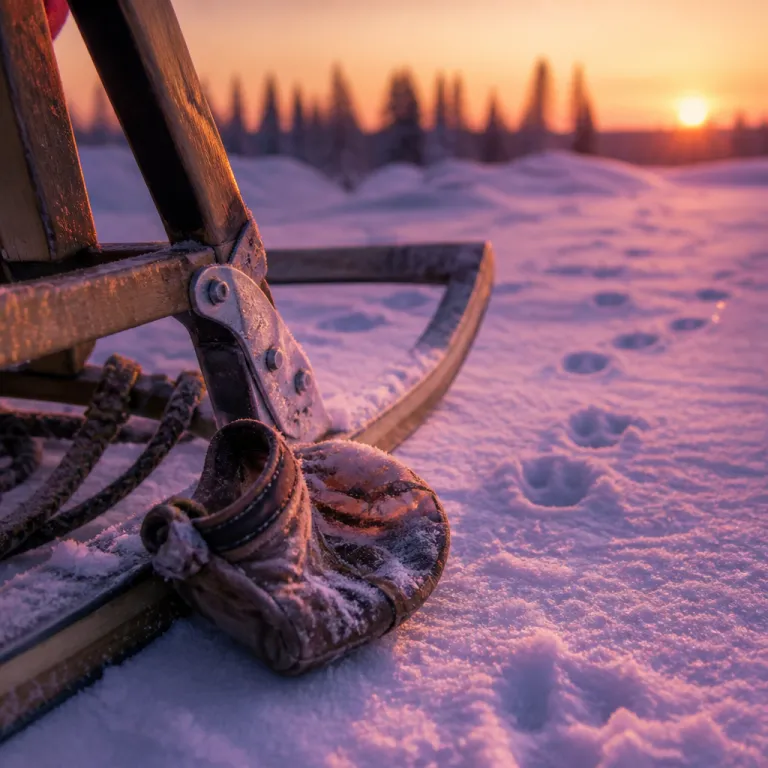
Why iditarod tour packages are the Arctic expedition of the North
For many polar travelers, iditarod tour packages offer one of the most accessible ways to experience a true winter expedition while still benefiting from the safety net of organized travel. The Iditarod race across Alaska channels the spirit of classic overland journeys, yet it remains rooted in a living dog mushing culture that you can watch up close and even interact with. This blend of raw winter elements, northern wilderness, and carefully managed logistics makes an Iditarod-focused trip uniquely compelling for anyone already drawn to Arctic and Antarctic voyages.
The Iditarod race is a long-distance sled dog event in Alaska, running for roughly 1 600 kilometers (about 1 000 miles) along the historic Iditarod Trail between Anchorage and Nome. When you compare iditarod tour packages with classic polar cruises, the key difference is proximity: you stand at the race start, feel the vibration of every sled, and watch each sled dog team surge forward in a blizzard of snow. That immediacy is similar to stepping onto polar sea ice from a small boat, but here the focus is on human and canine endurance rather than drifting icebergs.
Well-designed Iditarod tours are built around specific race milestones, such as the ceremonial start in downtown Anchorage and the official race start, often called the race start or restart in Willow. A typical day in these Alaska winter itineraries might begin with a short transfer from an overnight Anchorage base, continue with guided race viewing at a checkpoint, and end with an evening lecture on northern exploration or dog mushing history. For travelers who already know the rhythm of expedition landings, this cadence of Anchorage logistics and field time feels familiar, yet the sound of barking dogs replaces the crack of calving glaciers.
Anchorage, Willow and Rainy Pass: how the race unfolds for visitors
Most iditarod tour packages begin in Anchorage, the main air gateway to Alaska and the operational hub for the Iditarod Trail Committee. Your first full day in Anchorage will usually include a city orientation, time in the compact downtown area, and a briefing on the Iditarod Trail route and safety considerations. This urban start contrasts with the remote feel of many polar embarkation ports, yet it allows you to adjust to the cold and organize gear before heading deeper into the Alaska winter.
On race weekend, the ceremonial start in downtown Anchorage transforms the city into a festival of sled dog culture, with teams gliding past cheering crowds along a snow-covered street corridor. The following day, many Iditarod tours transfer guests to the restart in Willow, where the official race start takes place on a frozen lake framed by northern forests. Standing near the race start line, you can watch each Iditarod sled team launch onto the Iditarod Trail, a moment that distills the entire dog race ethos into a few intense seconds.
Higher up the route, flight-supported Iditarod viewing trips often include a scenic hop to the Rainy Pass checkpoint, one of the most dramatic sections of the Iditarod Trail. From the air, the northern Alaska Range looks as wild as any major mountain chain, and landing near Rainy Pass gives you a rare chance to see mushers and sled dogs in full race mode. Photographers who have already joined a dedicated polar photography expedition, such as a specialized Arctic or Antarctic photo voyage described in this polar photography expedition guide, will appreciate the layered compositions of dog teams, trail markers, and stormy ridgelines.
Dog mushing culture, sled dogs and the ethics of a modern polar race
Understanding dog mushing culture is essential if you want your iditarod tour packages to feel meaningful rather than merely spectacular. The Iditarod race grew from practical winter travel along the Iditarod Trail, where sled dog teams once carried mail, medicine, and supplies between remote Alaska communities. When you meet mushers during a tour, you see that each sled dog is treated as an athlete, with training regimes and veterinary care that would be familiar to any high-level endurance sports équipe.
During kennel visits near Anchorage or Fairbanks, guides explain how sled dogs are selected, trained, and rotated during the dog race to protect their health over many days on the trail. You may help harness a team, ride as a passenger on a training sled, or even try steering a small Iditarod-style sled under supervision on a short loop. These hands-on experiences echo shore excursions in protected polar reserves, where strict wildlife guidelines shape every interaction, and responsible operators in Alaska apply similar ethics to dog mushing tourism.
Ethical questions around the Iditarod race are part of any serious discussion about Arctic travel, and reputable Iditarod tours address them openly. Operators such as the Iditarod Trail Committee, Iditarod Tours, and John Hall's Alaska emphasize education about animal welfare standards and the evolution of race rules. For example, modern race regulations require mandatory rest stops, regular veterinary checks at checkpoints, and strict limits on how dogs are transported or withdrawn from the race, changes that respond directly to past controversies about overexertion and dog fatalities. When you evaluate different tours, look for clear information on kennel accreditation, maximum group size, and how your visit will support local communities rather than strain them, just as you would when assessing whether Antarctic expedition cruising is approaching a ceiling, a topic explored in this analysis of Antarctic expedition cruising capacity.
Northern lights, hot springs and the art of winter comfort
Many iditarod tour packages now weave in northern lights experiences, recognizing that aurora borealis viewing is a major draw for Arctic travelers. After a day of race viewing near Anchorage or along the trail, guests often transfer to darker locations away from city glare for structured northern lights viewing sessions. These evenings can feel as magical as watching the southern lights from the deck of an Antarctic vessel, yet here you stand on snow, wrapped in parkas, with the faint sound of distant sled dogs in the background.
Fairbanks is a frequent extension for Iditarod itineraries focused on aurora borealis, because its northern latitude and clear Alaska winter skies offer strong statistical chances of seeing the northern lights. According to the National Weather Service climate normals for Fairbanks (1991–2020), March typically brings cold, relatively dry conditions that favor aurora viewing, as detailed in the Ted Stevens Anchorage and Fairbanks climate normals pages. From Fairbanks, many itineraries include an excursion to Chena Hot Springs, where you can soak in outdoor hot springs while curtains of aurora ripple overhead. This combination of hot springs comfort and lights viewing is a powerful counterpoint to the harsher moments on the Iditarod Trail, reminding you that polar travel can balance challenge with restorative pauses.
Some travelers choose multi-day packages that alternate between race activities, aurora viewing, and cultural visits, creating a rhythm that feels similar to a well-paced expedition voyage. A typical day might start with a transfer from an overnight Anchorage base to a race checkpoint, continue with a flight back to Fairbanks, and end with a late-night aurora borealis session after dinner. When you compare different tours, pay attention to how they schedule northern lights viewing, whether they include professional photography guidance, and how they manage fatigue during long winter nights, because these details will shape your overall experience.
Planning your Iditarod itinerary: logistics, gear and safety
Designing an Iditarod-focused journey requires the same level of planning you would apply to an Antarctic expedition, especially around timing, clothing, and expectations. The race takes place in early March, when average daytime temperatures in Anchorage hover around minus 4 degrees Celsius (24 °F) based on National Weather Service climate normals for Ted Stevens Anchorage International Airport, but wind chill along the Iditarod Trail can make it feel far colder. Layering is essential: you will need a moisture-wicking base layer, insulating mid layers, and a windproof outer shell, plus insulated boots, mittens, and face protection for long periods of race viewing.
Quick Iditarod packing checklist: warm base layers (top and bottom), fleece or wool mid layer, expedition-weight parka, windproof pants, insulated boots with good traction, liner gloves plus heavy mittens, hat and balaclava or neck gaiter, chemical hand warmers, sunglasses or goggles, and a small daypack for cameras, snacks, and spare batteries.
Most iditarod tour packages run between seven and thirteen days, often starting with a day-one Anchorage arrival, followed by the musher banquet, the ceremonial start, and the restart in Willow. A representative mid-range Iditarod viewing trip might include four nights in Anchorage, two nights in Fairbanks, and one or two nights at a lodge near the trail, with prices commonly starting around USD 4 000–6 000 per person excluding international flights, a range reflected in recent brochures from major Alaska winter operators. Flightseeing segments to checkpoints such as Rainy Pass or Nome introduce additional variables, including weather delays and limited amenities in remote areas. Travelers accustomed to Antarctic voyages will recognize this operational flexibility, where the daily plan can change quickly due to shifting winter conditions, and where patience is part of the experience.
Safety standards on reputable Iditarod tours are high, with chartered flights, professional guides, and clear briefings on cold-related risks such as frostbite and hypothermia. When comparing operators, ask how they coordinate with the Iditarod Trail Committee, what emergency equipment they carry, and how they manage group sizes at busy race start locations. For those interested in broader polar phenomena, some itineraries can be combined with other Arctic events, such as a Greenland-based solar eclipse expedition described in this feature on Greenland eclipse expeditions, allowing you to build a multi-year polar travel strategy.
Choosing the right operator and style of iditarod tour packages
Selecting between different iditarod tour packages is less about price and more about how deeply you want to engage with the race and its culture. Some tours emphasize comfort, with premium lodging in Anchorage, structured day trips to the ceremonial start and restart in Willow, and optional aurora borealis outings. Others lean into the expedition side, with overnights near remote checkpoints, extended time on the Iditarod Trail, and more immersive dog mushing experiences that may include short sled driving lessons.
Key players include the Iditarod Trail Committee, which manages official race logistics and some viewing programs, and private operators such as Iditarod Tours and John Hall's Alaska, which build multi-day itineraries around those core events. When you evaluate these Iditarod tours, look at how many race days are included, whether you will visit checkpoints like Rainy Pass or Nome, and how much direct contact you will have with mushers and sled dogs. A well-balanced itinerary will give you at least one full day at the ceremonial start in downtown Anchorage, another at the race start in Willow, and additional days focused on aurora viewing or cultural activities.
Accommodation style also shapes your experience, from larger hotels in Anchorage to smaller lodges closer to the trail, each with different levels of comfort and access. Ask operators how they handle overnight Anchorage logistics, airport transfers, and early-morning departures for race viewing, because these details affect rest and resilience during a demanding Alaska winter schedule. If you already have experience with Antarctic expedition ships, think of your Iditarod tour as the land-based equivalent, where the bus or charter plane replaces the vessel, and the Iditarod race becomes your moving, living ice edge.
Key figures and statistics for iditarod focused travel
- The Iditarod race covers approximately 1 000 miles, or about 1 600 kilometers, between Anchorage and Nome, making it one of the longest sled dog races in the world and a central anchor for iditarod tour packages (Iditarod Trail Committee race overview).
- Average daytime temperatures in Anchorage in early March are around minus 4 degrees Celsius (24 °F), according to the National Weather Service 1991–2020 climate normals for Ted Stevens Anchorage International Airport, which means travelers must prepare for sustained cold during outdoor race viewing and aurora borealis sessions.
- Recent editions of the Iditarod have seen around 50 mushers at the race start, a field size that creates a full day of activity for spectators during the ceremonial start in downtown Anchorage and the restart in Willow, as summarized in recent Iditarod Trail Committee race reports and musher rosters (Iditarod Trail Committee musher roster).
- Typical guided Iditarod tours last between seven and thirteen days, combining race events, dog mushing experiences, and northern lights viewing, a duration that aligns closely with many Antarctic expedition cruise itineraries.
- Flightseeing segments to checkpoints such as Rainy Pass significantly increase logistical costs but also provide rare aerial perspectives on the Alaska Range and the Iditarod Trail, which many experienced polar travelers consider a highlight worth the additional budget.
FAQ about iditarod tour packages and polar race travel
What is the Iditarod and why is it important for travelers ?
The Iditarod is a long-distance sled dog race in Alaska. It follows a historic mail and supply route between Anchorage and Nome, now formalized as the Iditarod Trail. For travelers, it offers a structured way to experience Alaska winter culture, dog mushing traditions, and northern landscapes within the safety of organized Iditarod tours.
How long is the Iditarod race and how many days should I plan ?
The Iditarod race is approximately 1 000 miles, or about 1 600 kilometers, and top mushers usually take around a week and a half to reach Nome. Most iditarod tour packages do not follow the entire race but instead focus on key events over seven to thirteen days. This duration allows time for the ceremonial start, the race start in Willow, one or more checkpoint visits, and optional northern lights viewing.
When does the Iditarod take place and how far in advance should I book ?
The Iditarod takes place annually in early March, when daylight is increasing but Alaska winter conditions remain intense. Because accommodation and flights around Anchorage and Fairbanks can fill quickly, it is wise to book Iditarod viewing trips at least several months in advance. Early booking also improves your chances of securing space on limited flightseeing segments to checkpoints such as Rainy Pass.
Can I participate in the Iditarod or only watch as a spectator ?
Participation as a musher in the Iditarod requires meeting strict qualifications, including prior long-distance race experience and compliance with veterinary and safety standards. Most visitors engage with the race as spectators through guided tours that include race viewing, kennel visits, and short recreational dog mushing experiences. These spectator-focused tours provide deep insight into the sport without the extreme commitment required to run the full dog race.
Are there age restrictions or fitness requirements for Iditarod tours ?
Age restrictions for Iditarod tours vary by operator, with some setting minimum ages for flightseeing or dog sled rides for safety reasons. In general, travelers should be able to walk on snow and ice, stand outdoors for extended periods in sub-zero temperatures, and climb in and out of small aircraft or vehicles. If you have concerns about mobility or cold sensitivity, discuss them with your chosen operator so they can recommend the most suitable itinerary.
References and further reading
- Iditarod Trail Committee – official information on the Iditarod race and trail, including route maps, race archives, and musher rosters.
- National Weather Service – climate normals and historical weather data for Anchorage and Fairbanks, useful for planning clothing and gear for March travel.
- Alaska Travel Industry Association – guidance on responsible winter tourism, cultural experiences, and best practices for visiting remote communities.
