What to expect from your first zodiac landing in Antarctica
Your first zodiac landing in Antarctica begins long before you step outside. The expedition leader gathers everyone in the lounge and calmly walks through what the landing will involve, from weather checks to wildlife protocols. You finally understand that this is not a standard cruise excursion but a carefully choreographed Antarctic expedition where every movement on and off the ship matters.
On that first day in Antarctica, you will hear every practical question about your initial zodiac landing answered in clear, operational terms rather than brochure language. The expedition team explains the timeline in detail, because a typical zodiac landing lasts between 1.5 and 2.5 hours, including transit and exploration time. You learn that most polar-rated zodiacs carry around 8 to 12 passengers, so you will travel in small groups that feel intimate enough for your expedition guide to read the mood and adjust the pace.
The briefing also clarifies what to expect from the cruise ship itself during landings. You will board from a sheltered platform close to water level, with the expedition crew and deckhands managing a steady flow of zodiacs alongside the hull. This is when you realise that expedition cruises are built around these landings, and the ship is essentially a comfortable base camp that moves quietly between landing sites while you sleep.
Biosecurity, gear and the quiet ritual before every landing
Before any zodiac cruising begins, you will meet the biosecurity line. Guidelines from the International Association of Antarctica Tour Operators (IAATO) require all passengers to vacuum and disinfect outerwear before each landing, and the crew members take this seriously. The process feels almost ceremonial as you move from vacuum station to boot scrub, understanding that every seed or speck of soil you have travelled with could threaten fragile Antarctic wildlife.
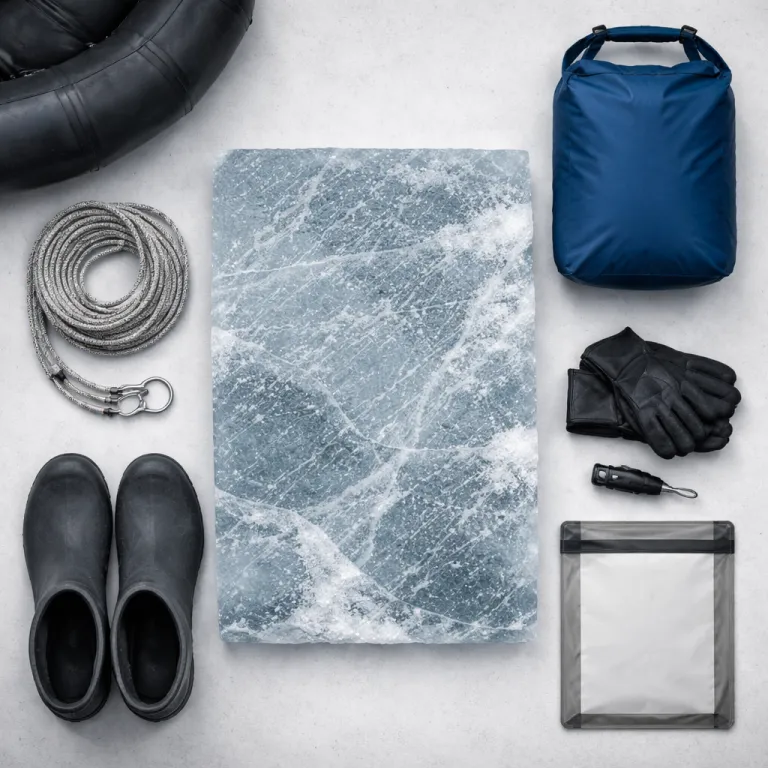
In the mudroom, you will read clear signs explaining what to wear and why it matters for both safety and comfort. The official guidance is simple and precise: “Wear thermal base layers, waterproof outer layers, gloves, hat, and waterproof boots.” You pull on your waterproof pants over insulated layers, zip your parka, and realise that this is the uniform of modern Antarctic expedition travel, designed for repeated wet landings in cold water and shifting weather.
The expedition team checks your life jacket, adjusts straps, and confirms that your camera is secured before you step outside. This is also where citizen science projects are sometimes introduced, with the expedition team inviting guests to contribute wildlife observations or cloud data during landings. It is a subtle reminder that your trip is not only a cruise but part of a wider network of expedition cruises that aim to leave more knowledge than footprints.
During this phase, typical guest questions are answered openly to reassure first-time visitors: “What should I wear for a Zodiac landing? Thermal base layers, waterproof outer layers, gloves, hat, and waterproof boots. How long does a Zodiac landing last? Typically 1.5 to 2.5 hours, including transit and exploration time. Is it safe to board a Zodiac? Yes, with proper guidance and adherence to safety protocols.” These answers echo the advice published by IAATO and major polar operators in their pre-departure materials.
Boarding the zodiac: the technique nobody explains well enough
Stepping from a moving cruise ship platform into a small zodiac looks harder than it feels. The key is to listen to the zodiac driver and trust the expedition crew, because they have repeated this transfer thousands of times in all kinds of weather. You will use the “two hands, one sailor” rule, always holding the offered arm or rope rather than reaching for the boat itself.
On your first zodiac cruise, you will notice that the boarding choreography is almost silent. Crew members stand at fixed points, guiding each passenger with a nod or a single word, while the zodiac will rise and fall gently on the swell beside the ship. The rhythm becomes clear: one person steps down, moves forward, sits on the tube, then the next follows, until the zodiac is full and the driver eases away from the hull into open water.
From that moment, you understand why expedition cruises rely on zodiacs rather than larger tenders. These inflatable boats skim over shallow water, weave between brash ice, and reach landing sites that no conventional cruise ship could approach safely. If you have read about capacity limits and site quotas, this is where it becomes real, and you may later want to explore how Antarctic expedition cruising is evolving by reading this analysis of when many ships chase the same peninsula.
Wet versus dry landings: what your boots and camera really face
Every daily briefing will include two small words that shape your experience ashore: wet or dry. A dry landing means the zodiac noses up to rock or a small platform, and you step directly onto land without touching the water. A wet landing means you will step into water that can reach mid calf, so your waterproof pants and tall boots suddenly justify the luggage space.
On your first day Antarctica may greet you with a wet landing, and the expedition guide will demonstrate how to swing your legs over the side and step into the water with confidence. You face the shore, hold the driver’s arm, and place one foot down firmly before bringing the second, keeping your weight centred to avoid slipping on submerged stones. The landing will feel surprisingly stable, because the crew members have already assessed the underwater slope and chosen the safest point.
Once you are on the beach, you join a small cluster of fellow travellers while the zodiac returns to the cruise ship for the next group. This wet–dry rhythm continues until all zodiacs have completed their landings, and only then does the guided walk begin. Cameras stay in dry bags until you are clear of spray, and you quickly learn that the most experienced Antarctic travellers never rush to unzip their gear until they are well above the tide line at the landing site.
Wildlife, etiquette and the moment a penguin ignores you
The first thing you notice ashore is not the cold but the sound. Penguin colonies create a constant low roar, punctuated by the crack of distant ice and the splash of water against the beach. Your expedition guide gathers the group and quietly reminds everyone of the five metre minimum distance from wildlife, a core IAATO rule that shapes every Antarctic expedition.
What happens next is the part no brochure fully prepares you for. The wildlife has not read the guidelines, so penguins will often walk straight towards the path, and sometimes a curious bird will pass between your legs while you stand still. The unwritten etiquette among experienced polar travellers is simple: you lower your profile, stay silent, and let the animal choose its route, while the expedition team watches to ensure that the landing sites remain calm and controlled.
On some trips, you may also see seals hauled out near the waterline or skuas circling above the penguin colonies, and the expedition crew will position the group to minimise disturbance. This is where citizen science can come alive, with guests helping to note wildlife behaviour or count nests under the guidance of an expedition leader. If you are drawn to the wider culture of slow polar travel, it is worth reading this reflection on whether polar expedition luxury is the last acceptable form of slow travel.
Time ashore, unwritten rhythms and how couples make it feel personal
Once the last zodiac has landed, your watch starts to matter. Typical shore time runs to about two hours, but the exact duration depends on weather, wildlife, and how far you have travelled from the ship. The expedition leader will often split the group between a gentle shoreline walk, a slightly steeper hike, and time near the beach for photography.
For couples, the art lies in using that limited time well without rushing. One of you may want to focus on wildlife while the other prefers the wide Antarctic landscapes, so agree a simple plan before leaving the cruise ship to avoid negotiating on the beach. Many experienced travellers walk slowly away from the busiest cluster near the landing site, then find a quiet spot within sight of the expedition team where they can stand together and simply watch the light move across the ice.
Unwritten etiquette also shapes how you move through the group. You avoid blocking narrow paths, keep noise low near nesting areas, and step aside for those who walk more slowly on snow or uneven ground. If you are used to fly-in wilderness access, such as the refined floatplane journeys described in this guide to elegant fly in Alaska fishing adventures, you will recognise the same quiet respect for place and pace here on the Antarctic shore.
Beyond the peninsula: zodiacs, south georgia and the wider polar circuit
By the time you leave Antarctica, the zodiac will feel like an extension of your own balance. You will have experienced landings in calm bays and in wind carved coves, and perhaps one day when the weather forced the expedition team to cancel a landing for safety. Those decisions underline that the crew members are there to protect both guests and wildlife, not to chase a checklist.
If your itinerary includes South Georgia, the rhythm of zodiac cruising continues in a different register. Here, landings bring you to vast penguin colonies that stretch for kilometres, and the scale of wildlife makes the earlier peninsula sites feel almost intimate. The same rules apply: careful biosecurity, controlled distances, and a choreography of zodiacs shuttling between cruise ship and shore while the expedition crew manages timing with almost military precision.
Many travellers who have wondered what to expect from their first zodiac landing in Antarctica are surprised by how quickly the routine becomes second nature. You dress in layers, tighten your waterproof pants, step into the water with confidence, and settle into the tube as the zodiac will carry you towards another landing site under the watchful eye of the expedition guide. In the end, what you remember most is not the mechanics of boarding but the quiet moments when the engine cuts, the ship lies distant against the ice, and the only sound is the breath of wildlife in cold, clear air.
Key figures from your first zodiac landing
- Typical zodiac capacity on Antarctic voyages ranges from about 8 to 12 passengers per boat, which keeps groups small enough for personalised guidance from the expedition guide and efficient rotation between ship and shore (source: representative expedition operator specifications, for example zodiac capacity tables published by major polar cruise companies).
- Typical shore time for a zodiac landing ranges from 1.5 to 2.5 hours, including transit, giving enough duration for both guided walks and quiet independent observation without overstaying at sensitive landing sites (source: standard expedition schedules published by polar cruise companies in their online itineraries and pre-departure documents).
- Zodiac landings are usually scheduled once or twice per day in Antarctica during the main cruising season, balancing guest experience with weather windows and wildlife protection (source: operator itineraries and IAATO best-practice recommendations on visit frequency and site management).
- IAATO wildlife approach guidelines recommend a minimum distance of 5 metres from most animals, a figure designed to reduce stress on wildlife while still allowing meaningful observation and photography (source: IAATO visitor guidelines for Antarctic travellers, including the published wildlife watching distance rules).
FAQ about your first zodiac landing in Antarctica
What should I wear for my first zodiac landing in Antarctica ?
You should wear thermal base layers, a warm mid layer, and a fully waterproof outer shell with waterproof pants over insulated long underwear. Sturdy waterproof boots, gloves, a hat, and a life jacket provided by the expedition crew complete the system. This combination keeps you warm during zodiac cruising, protects you when you step into shallow water, and meets the safety standards set by the expedition team.
How long will I spend ashore during a typical landing ?
Most landings last between 1.5 and 2.5 hours from leaving the cruise ship to returning on board. Actual time on land usually sits around 60 to 90 minutes, depending on the distance from the ship, the weather, and wildlife conditions at the landing site. Expedition leaders adjust the schedule in real time to keep guests safe while maximising meaningful time ashore.
Is boarding a zodiac from the ship safe for first time travellers ?
Boarding is considered safe when you follow the instructions of the expedition crew and zodiac driver. You step down using fixed handholds or a crew member’s arm, move to your seat immediately, and stay low while the zodiac will manoeuvre away from the hull. The team repeats this process many times per day in Antarctica, and they will pause operations if sea state or weather make the transfer unsafe.
What happens if wildlife approaches me during a landing ?
If a penguin or seal approaches you, the correct response is to stay still, lower your profile, and let the animal choose its path. IAATO rules focus on how humans behave, not on forcing wildlife to keep distance, so you never move towards an animal to close the gap. Expedition guides watch interactions closely and may reposition the group if necessary to keep both guests and wildlife comfortable.
Will every landing be the same during my antarctic expedition trip ?
No two landings are identical, even on the same voyage. Weather, light, sea ice, and wildlife behaviour change constantly, so the expedition leader selects different landing sites and adjusts activities each day. Across the trip, you can expect a mix of wildlife focused landings, scenic hikes, and zodiac cruising only outings when conditions make going ashore impractical.
Trusted references for further reading
- International Association of Antarctica Tour Operators (IAATO) – visitor and wildlife guidelines for responsible Antarctic travel, including biosecurity procedures and minimum wildlife approach distances.
- British Antarctic Survey – background on Antarctic ecosystems, research stations, and environmental protection, with accessible briefings on how tourism and science coexist.
- National Science Foundation, Office of Polar Programs – information on Antarctic research, logistics, and field safety that underpins many expedition cruise operating standards.