Why a Jan Mayen island expedition cruise in the Arctic still feels like exploration
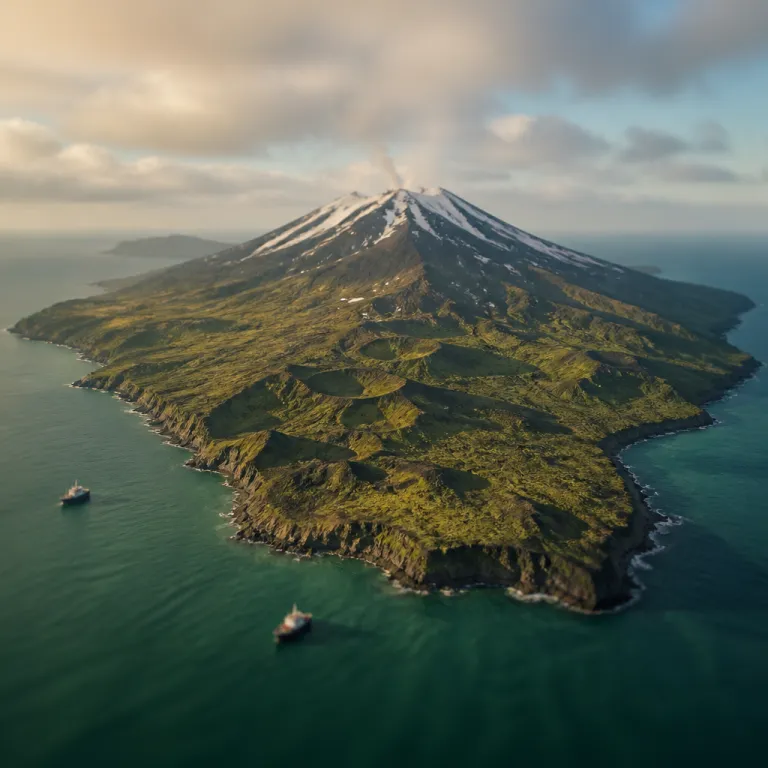
A Jan Mayen island expedition cruise in the Arctic is one of the few itineraries that still earns the word expedition. You sail for days across the open Arctic Ocean between Iceland and Svalbard, watching the horizon for a volcanic island that may remain hidden behind low cloud and stubborn weather. When jan and mayen finally appear off the bow, the first impression is of a steep black shoreline, glaciers and a single white cone rising abruptly from the sea.
This is mayen island, a 373 km² Norwegian territory at 71 degrees north, with no airport, no tourism infrastructure and only a small military and meteorological presence. The Norwegian Armed Forces and the Norwegian Meteorological Institute maintain the island’s weather station and facilities, and their work underpins much of the Arctic weather forecasting that expedition ships quietly rely on. Access is restricted and permits are required, so any arctic cruise that includes jan mayen has already cleared a bureaucratic and logistical hurdle before you even see the pack ice on the chart.
For a solo explorer used to crowded landings in the Antarctic Peninsula, this feels different from the first day at sea. The ship is usually a small ship with reinforced hull, sailing a long arc from north Spitsbergen or from Iceland, sometimes via fair isle or the remote edge of north Scotland. Operators such as Oceanwide and Quark treat a Jan Mayen island expedition cruise Arctic route as a deviation from their standard Svalbard trips, not a guaranteed highlight, and that honesty is part of the appeal. You are signing up for an expedition where the mayen ice, the sea state and the wind decide whether you step ashore.
Itineraries that reach Jan Mayen and why landings are never guaranteed
Only a handful of itineraries thread the needle between Svalbard and Iceland and include jan mayen as a planned call. The most common pattern is a voyage that starts in longyearbyen Svalbard, loops along the edge of north Spitsbergen, then turns south across the Arctic Ocean towards the island before continuing to Iceland. Another variation begins in Iceland, touches fair isle in the Northern Isles, then pushes north past the ice edge towards the Norwegian high Arctic and back to longyearbyen.
On paper, these look like classic arctic cruise routes, with seven to twelve days at sea and a mix of pack ice, sea days and shore landings. In practice, the day you approach mayen island is the most weather dependent of the entire trip, because there is no sheltered harbour and no alternative landing site if the swell is wrong. Expedition leaders study the ice charts, the mayen ice reports and the local forecast from the meteorological station, then decide in real time whether zodiacs can safely reach the black volcanic beach.
That uncertainty is the point for many travelers who choose a Jan Mayen island expedition cruise Arctic itinerary over a more predictable day cruise in the lower Arctic Circle. You may spend a full day arctic crossing without seeing land, just the ship cutting through grey water and the occasional polar bear print on drifting ice. If the weather closes in, you might only cruise the coastline, watching Beerenberg’s glaciers through binoculars while the guides talk about previous landings and the rare days when the island has been fully circumnavigated. For visual context on this wider region’s mood and light, the Iceland photography feature on the Arctic soul of the island offers a useful reference to the tones you will meet on this route.
Beerenberg and the drama of a glaciated volcano rising from the Arctic Ocean
Beerenberg dominates jan mayen, a 2,277 metre glaciated volcano that rises straight from the Arctic Ocean with almost theatrical verticality. From the deck of a small ship, the scale is hard to process at first, because there are no trees, no buildings and no other islands nearby to give your eye a reference. When the weather clears and the full cone appears, you see crevassed ice flowing down to the sea and understand why the island has fascinated polar cartographers since the Dutch captain Jan May claimed it for Holland in the seventeenth century.
Even on a calm day cruise along the coast, the ice edge at the base of Beerenberg feels close enough to touch, with blue seracs calving into the sea and sending ripples across the zodiac. Guides talk about the last recorded eruption and the way mayen ice fields feed the glaciers that shape every bay and headland on the island. This is not a landscape of gentle slopes ; it is a place where a single polar bear track on a snow slope can hold an entire ship’s attention for an hour.
Most Jan Mayen island expedition cruise Arctic itineraries do not attempt any serious mountaineering on Beerenberg, because the time in the area is short and the weather window is narrow. Instead, you might land on a cinder beach, walk across volcanic ash and look back at the ship framed by ice cliffs and the open arctic ocean beyond. It is the kind of scene that reminds seasoned polar travelers why they choose this route over more crowded wildlife hotspots, and why a good polar expedition blog such as this site’s own Arctic experience compass is invaluable when planning. For many, that single day near Beerenberg becomes the mental image they carry of the high Arctic long after the trip ends.
Wildlife, weather and the quiet drama of an empty Arctic island
Jan mayen is not a safari destination in the way Svalbard is, but the arctic wildlife here feels more like a privilege than a checklist. The island’s cliffs hold millions of seabirds, from fulmars to kittiwakes, and the air on a calm day is thick with wings and sound. Arctic foxes patrol the shoreline, slipping between lava blocks, while the guides scan the pack ice for any sign of a polar bear moving along the floes.
Polar bears and individual polar bear sightings around mayen island are occasional rather than routine, because the main population tracks the denser ice edge closer to Svalbard and the Barents Sea. When a bear does appear on the ice near the ship, the bridge slows to a crawl and the decks fill quietly, with binoculars and long lenses trained on a single pale shape against the grey. This is not the crowded bear viewing of some north Spitsbergen hotspots ; it is a reminder that you are on an expedition where wildlife encounters are shaped by weather, time and luck.
The weather itself is part of the experience, with fog, wind and sudden snow squalls common even in the more settled months. Typical temperatures range from well below freezing to around 10 °C, and the combination of humidity and wind can make a short zodiac ride feel far colder than the numbers suggest. On many Jan Mayen island expedition cruise Arctic voyages, the most memorable wildlife moment is not a headline predator but a line of dolphins riding the bow wave at midnight or a lone seal hauled out on a solitary floe, framed by the distant silhouette of the island.
Life on the island and why Jan Mayen embodies the expedition ideal
Unlike Svalbard’s longyearbyen, which has hotels, shops and a small tourism scene, jan mayen has no permanent civilian population and no commercial facilities. The island’s human presence is limited to a rotating group of around 18 Norwegian Armed Forces personnel and staff from the Norwegian Meteorological Institute, who maintain the weather station and associated infrastructure. Their work supports maritime safety, climate research and the broader scientific understanding of Arctic weather systems that affect everything from aviation to fisheries.
Visitors on a Jan Mayen island expedition cruise Arctic itinerary sometimes meet station staff during carefully managed visits, which underline how self contained life must be on such an isolated island. Access is restricted ; permits are required ; and every supply, from fuel to fresh food for breakfast lunch and the occasional shared lunch dinner, arrives by ship or aircraft operating under strict conditions. One official summary from the island’s information material puts it plainly : "Access is restricted; permits required.", "Harsh weather conditions; prepare accordingly.", "No commercial facilities; bring all necessities."
For many polar travelers, this is exactly why jan mayen has become a kind of quiet benchmark for what an expedition should feel like. There are no crowds, no competing ships waiting for their landing slot and no sense that the island has been shaped around visitor expectations. If you are weighing this route against a more popular Antarctic Peninsula voyage, it is worth reading about how record tourism numbers are changing expedition planning, then asking yourself whether you prefer a guaranteed landing or the possibility of a day arctic spent circling a volcanic island that refuses to let you ashore. Either way, jan mayen sits in the imagination long after the trip, a reminder that some corners of the arctic circle still belong more to weather charts and research logs than to social media.
FAQ
Is Jan Mayen inhabited and who lives there ?
Jan mayen has no permanent residents in the conventional sense, unlike longyearbyen in Svalbard. The only people on the island are Norwegian Armed Forces personnel and staff from the Norwegian Meteorological Institute, who rotate in and out on fixed tours of duty. They operate the weather station, maintain infrastructure and support scientific and military objectives in this strategic part of the Arctic Ocean.
Can tourists visit Jan Mayen on an expedition cruise ?
Tourists can visit jan mayen only as part of an authorised ship trip, usually on a small ship operated by a specialist polar cruise company. Access is restricted and permits are required, so independent landings or private yachts without prior approval are not allowed. Even with permits, landings are always weather dependent and never guaranteed, which is why itineraries describe the island as a planned but conditional highlight.
What is the climate and weather like on Jan Mayen ?
The island has a harsh polar maritime climate, with frequent fog, strong winds and rapidly changing conditions. Temperatures typically range from around minus 30 °C in winter to about 10 °C in the milder months, but wind chill can make it feel colder during zodiac operations. Sea ice and the local ice edge vary from year to year, influencing how close ships can approach and how often pack ice surrounds parts of the coastline.
Which itineraries usually include Jan Mayen and how long do they last ?
Most Jan Mayen island expedition cruise Arctic itineraries link Svalbard and Iceland, sometimes adding a call at fair isle or other North Atlantic islands. Voyages typically last between seven and twelve days, with one potential day near jan mayen itself, plus several days exploring north Spitsbergen or the broader Svalbard archipelago. Because the island is remote and exposed, operators build flexibility into the schedule so the captain can adjust timing around weather and sea conditions.
What kind of wildlife can I expect to see around Jan Mayen ?
Wildlife around jan mayen includes large seabird colonies, occasional Arctic foxes and marine mammals such as seals, dolphins and whales. Polar bears are possible but not common, as most bears follow denser pack ice closer to Svalbard and other high Arctic regions. Travelers should approach any wildlife expectations with humility, understanding that the island’s remoteness and variable weather mean each day’s sightings are shaped by chance as much as by planning.